Food
The Best Food Neighborhoods in Los Angeles
A neighborhood-by-neighborhood look at where Los Angeles eats best, from Koreatown to the San Gabriel Valley.
A neighborhood-by-neighborhood look at where Los Angeles eats best, from Koreatown to the San Gabriel Valley.
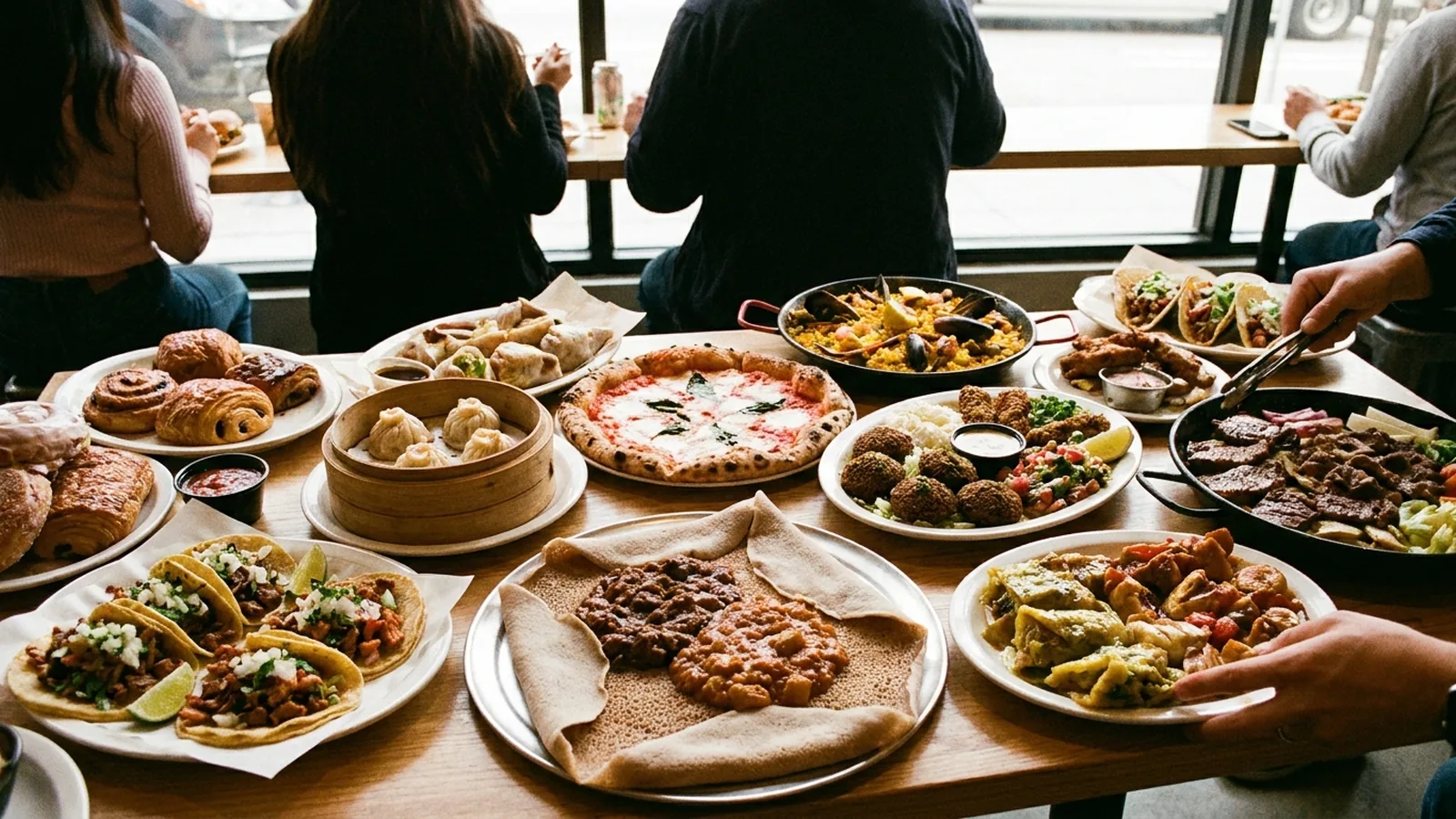
Los Angeles is less a single dining scene than a patchwork of food neighborhoods, each shaped by the communities who settled there. Rather than chasing a list of ranked restaurants, the smartest way to eat well here is to pick an area known for a particular cuisine and explore on foot. Use this as a starting point, not a live ranking, and always check current hours before going, since menus and prices can change.
Downtown LA packs an enormous range into a walkable core. Grand Central Market is a century-old food hall that's popular with visitors for sampling many vendors in one stop, while the Arts District has become a good area to explore for bakeries, coffee, and casual sit-down spots. Nearby Little Tokyo and Chinatown add even more variety within a short walk.
Koreatown is one of the densest dining districts in the city and a reliable bet day or night. It's known for Korean barbecue, late-night stew and soup spots, and bustling food courts inside multi-level plazas. Because the neighborhood is so spread out, it rewards picking a single block and wandering.
For Mexican food, the Eastside neighborhoods and East LA street stands are widely loved. This is a good area to explore for tacos, birria, and regional specialties, much of it served from trucks and family-run counters. Highland Park and Eagle Rock to the northeast have also grown into walkable corridors with a mix of old-school and newer kitchens.
Japanese food in LA clusters in two main places. Little Tokyo downtown is the historic heart, with ramen, sushi, and dessert shops alongside the Japanese American National Museum. On the Westside, Sawtelle (sometimes called Little Osaka) is a compact, popular strip for ramen, izakaya, and matcha.
East of Pasadena, the San Gabriel Valley is regarded as one of the country's great regions for Chinese food, with cities like San Gabriel and Monterey Park known for an enormous range of regional cooking. It's car-dependent and sprawling, so plan a route around a few plazas rather than expecting a single strollable street.
Smaller enclaves round out the map. East Hollywood's Thai Town is known for Thai cooking; Westwood, sometimes called Tehrangeles, is known for Persian food and markets; and Glendale is a hub for Armenian and Middle Eastern flavors.
LA's traffic means distance matters more than star ratings. Anchor your day in one district, eat what it does best, and treat any specific spot as a suggestion to verify, not a guarantee.
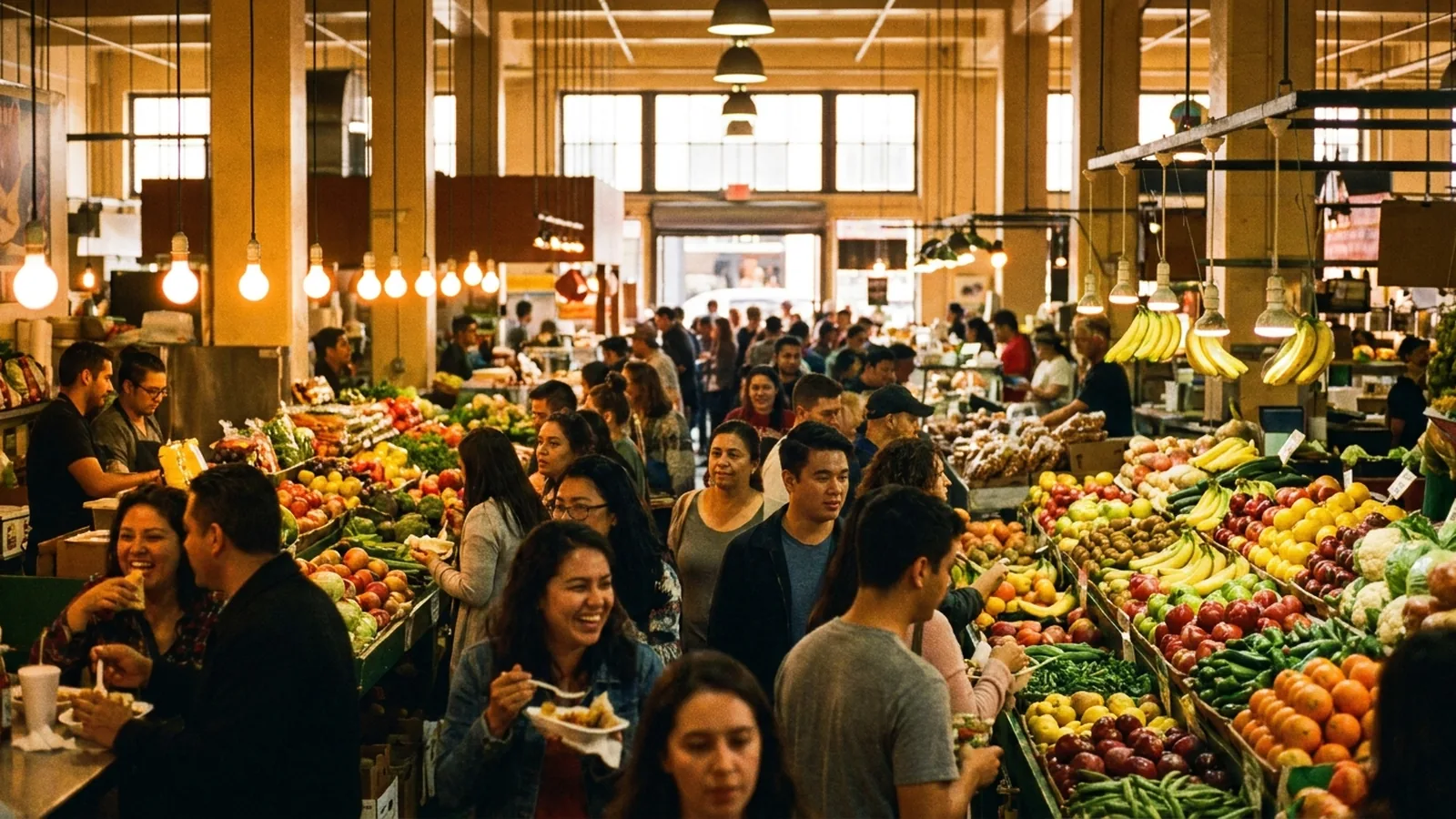
A historic downtown food hall where dozens of vendors make it easy to graze across cuisines in one visit.
Read more →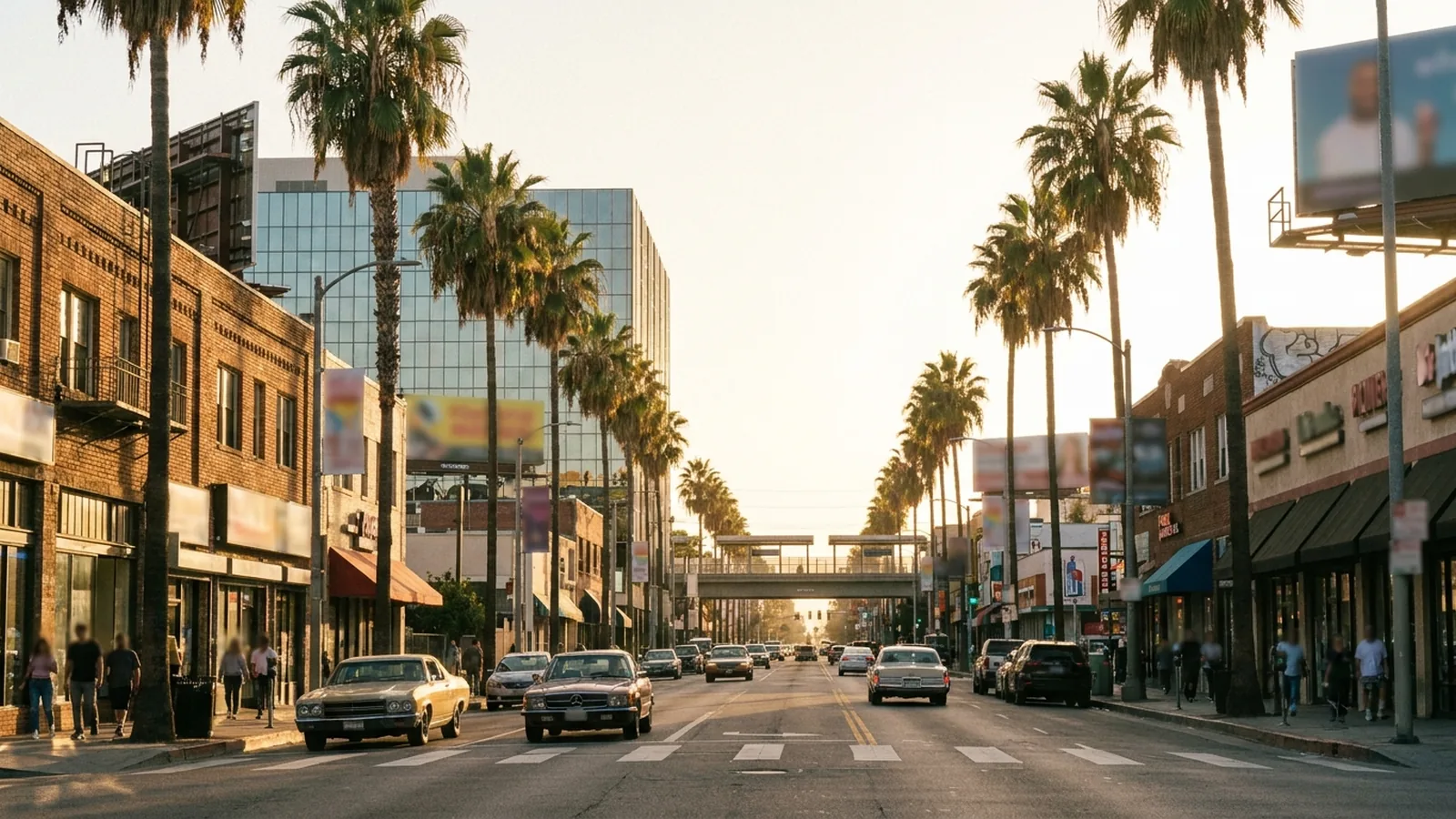
One of the city's densest dining districts, known for Korean barbecue and late-night spots.
Read more →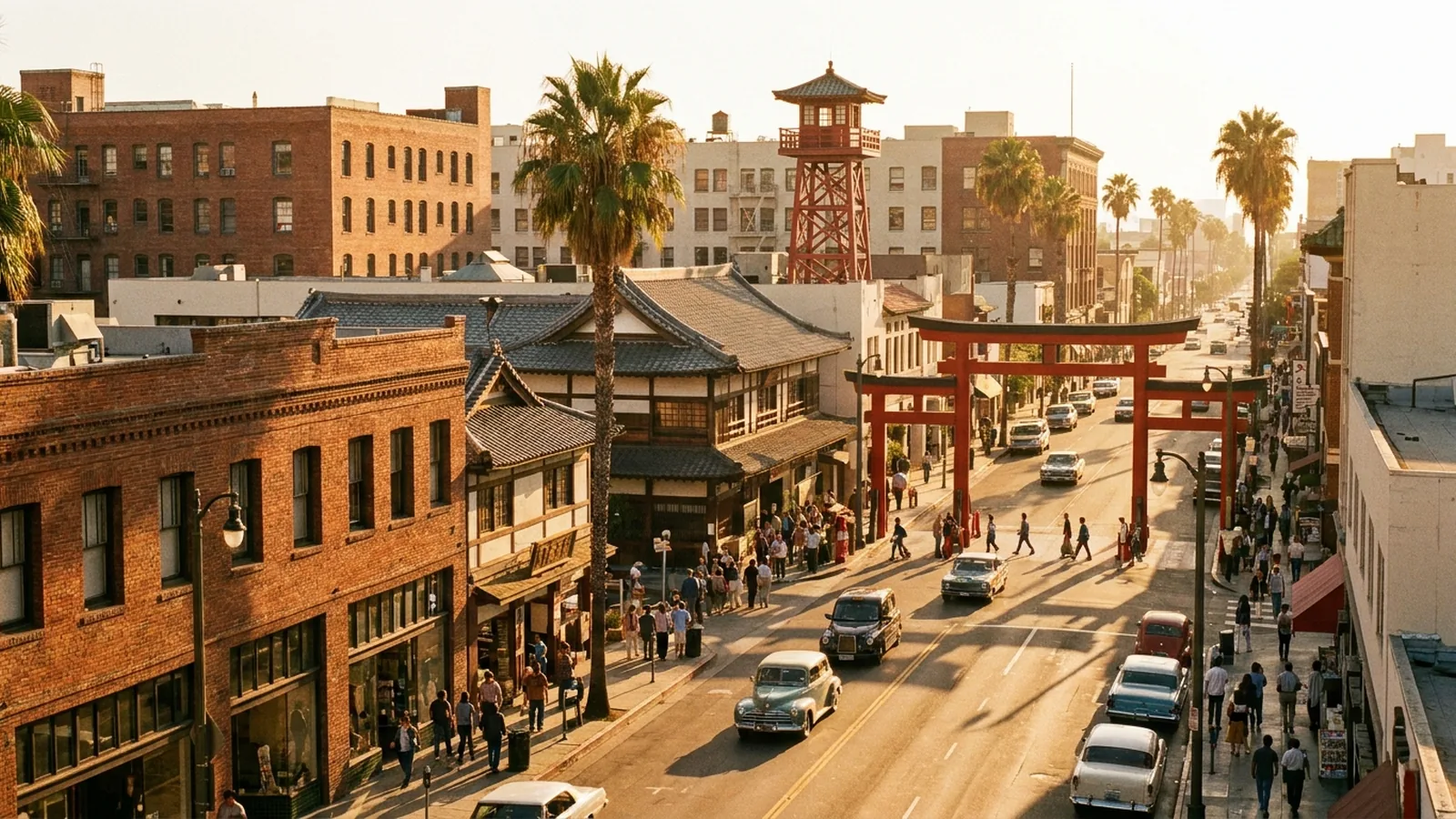
The downtown heart of Japanese dining, with ramen, sushi, and dessert shops to explore.
Read more →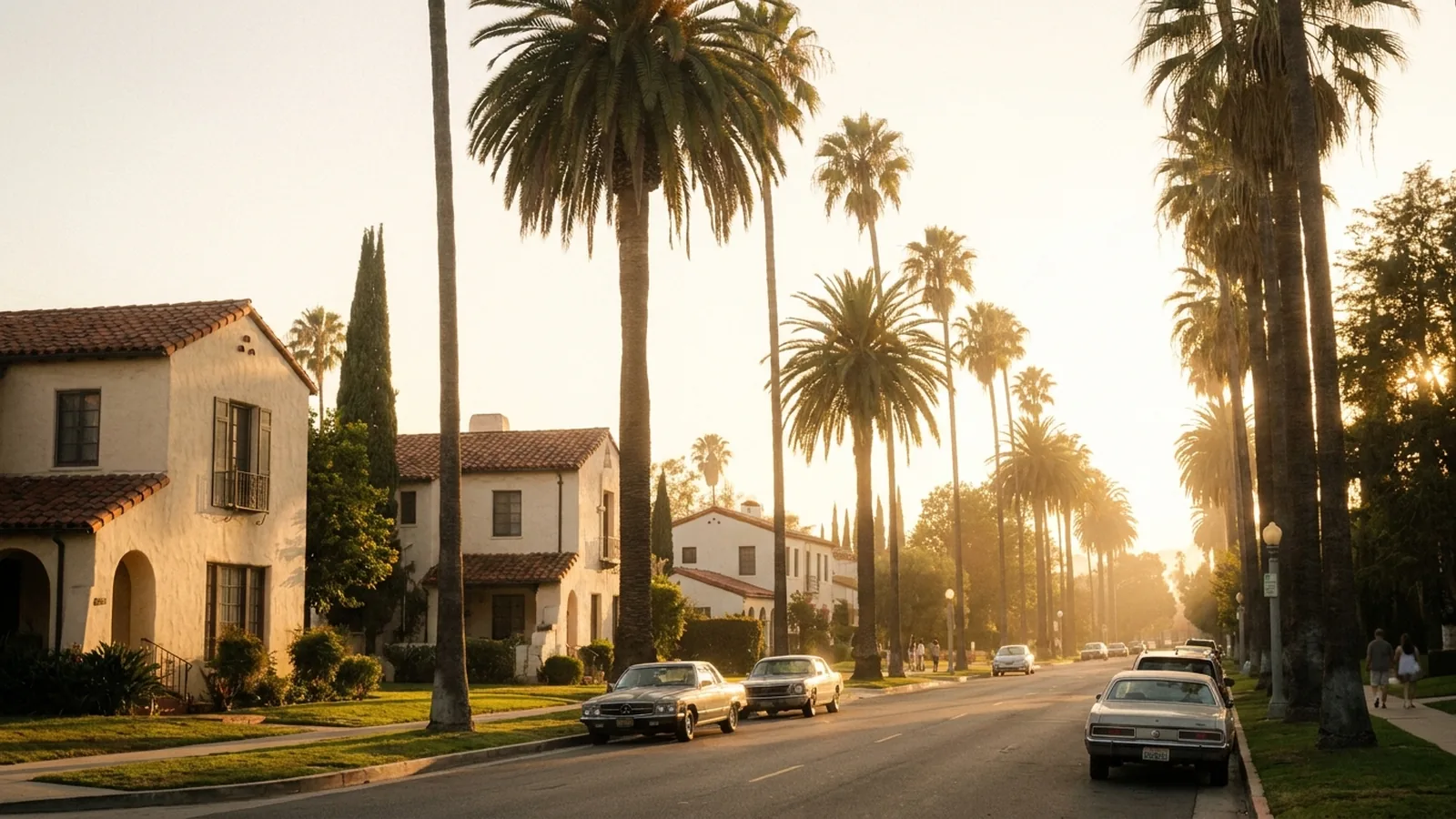
A San Gabriel Valley hub regarded as one of the best areas for regional Chinese food.
Read more →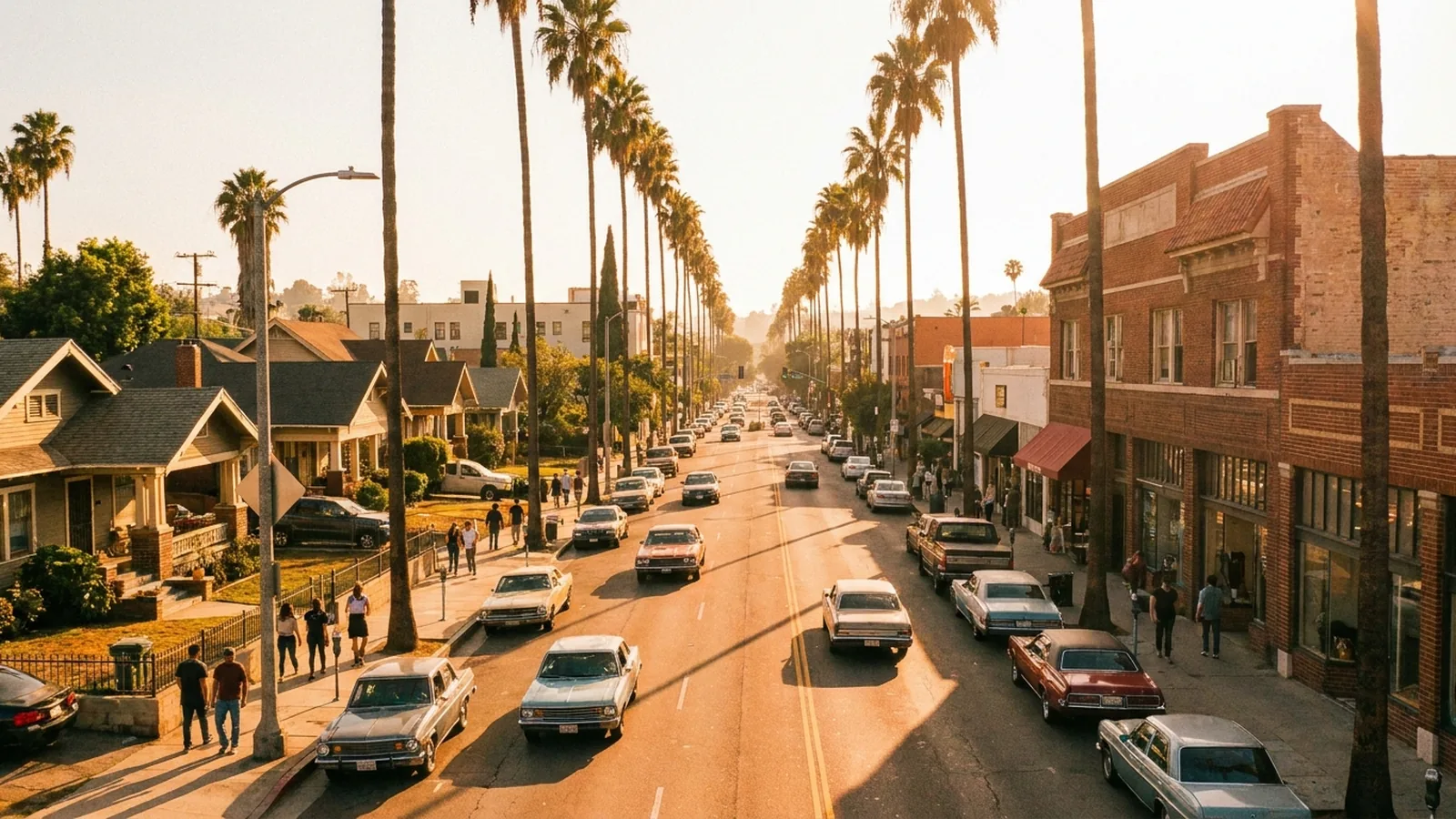
A walkable Eastside corridor mixing longtime taquerias with newer kitchens and cafes.
Read more →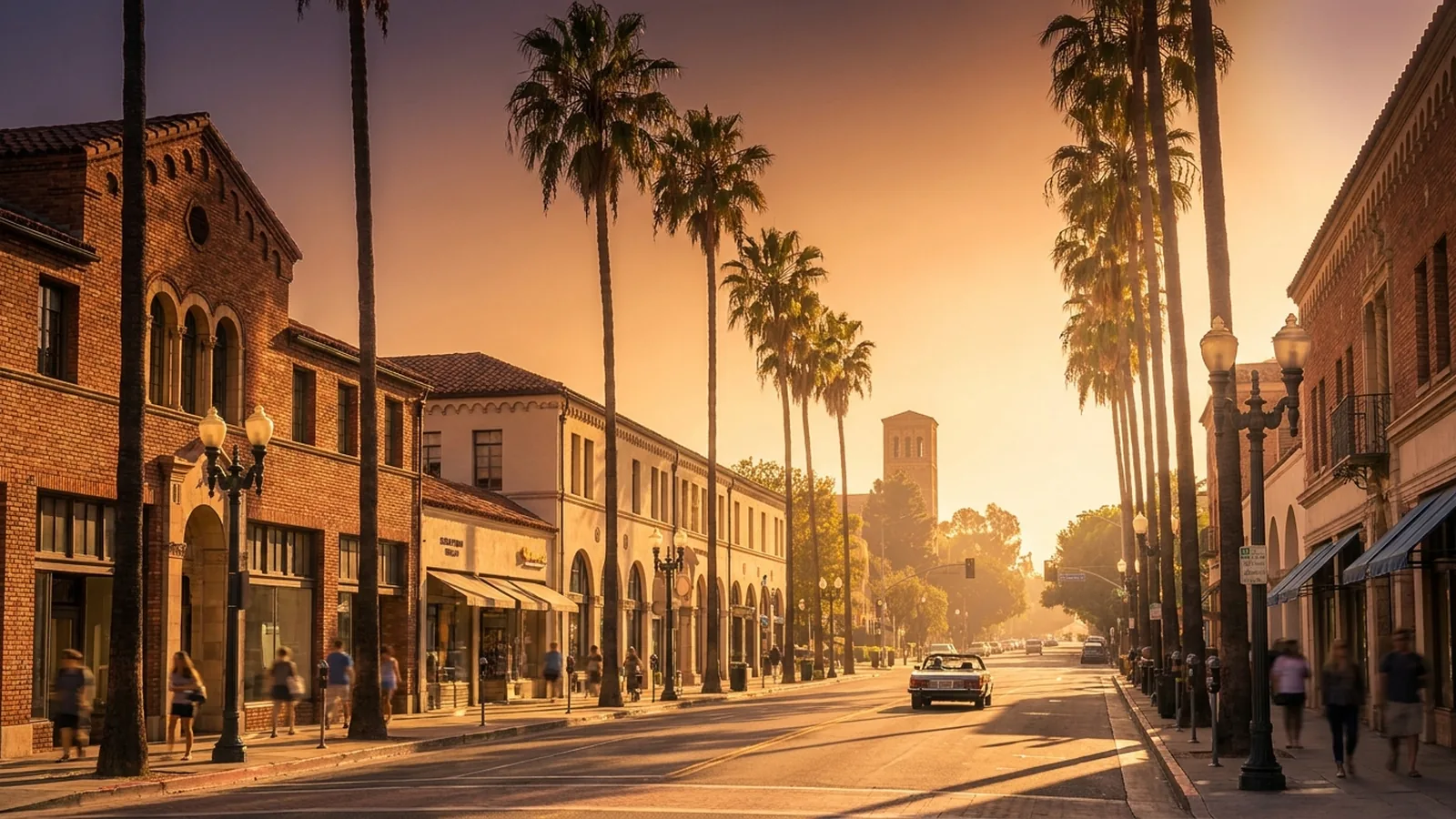
Home to Tehrangeles, a good area to explore for Persian food and markets.
Read more →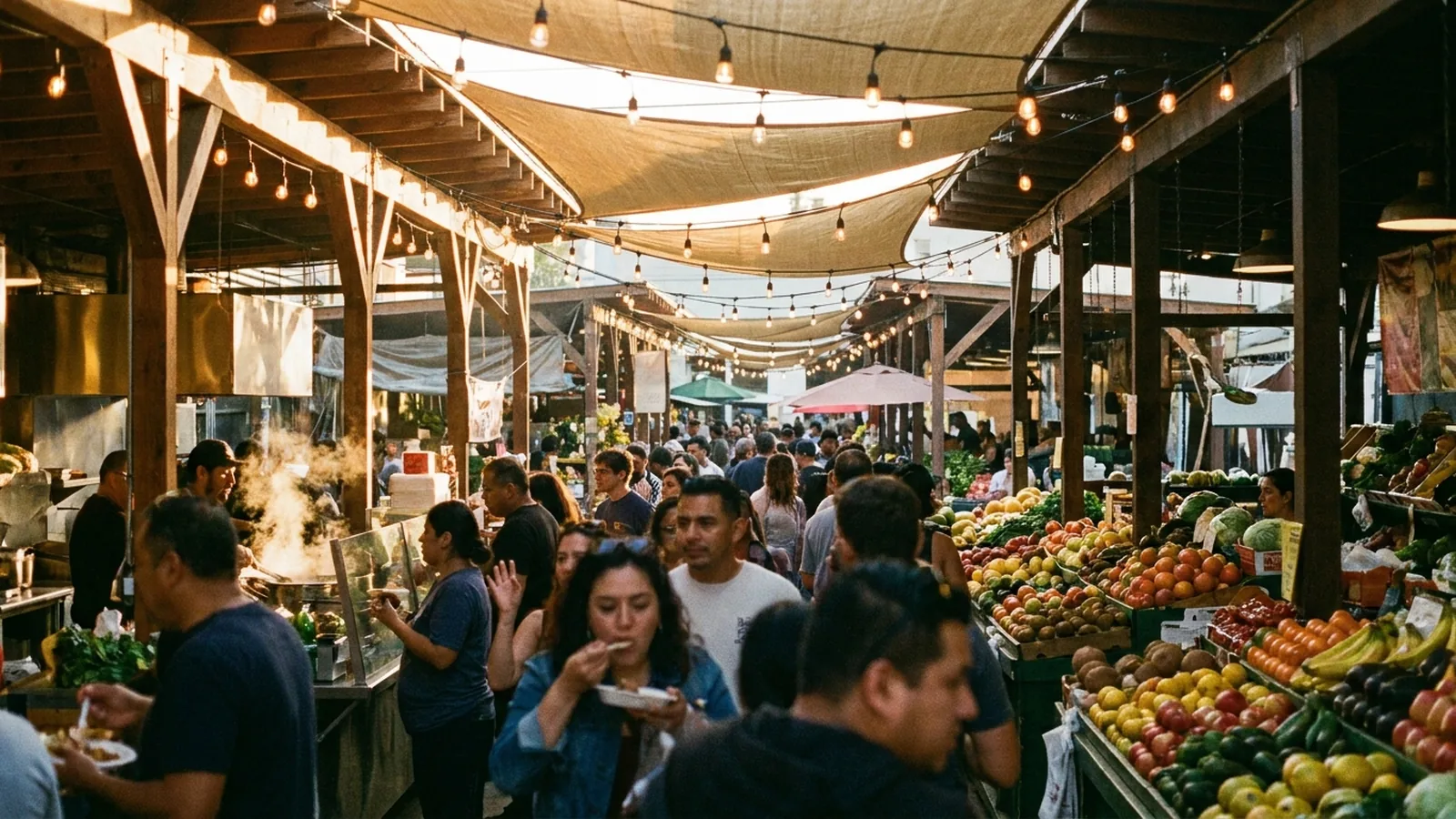
A landmark market with a wide range of food stalls, ideal for casual sampling.
Read more →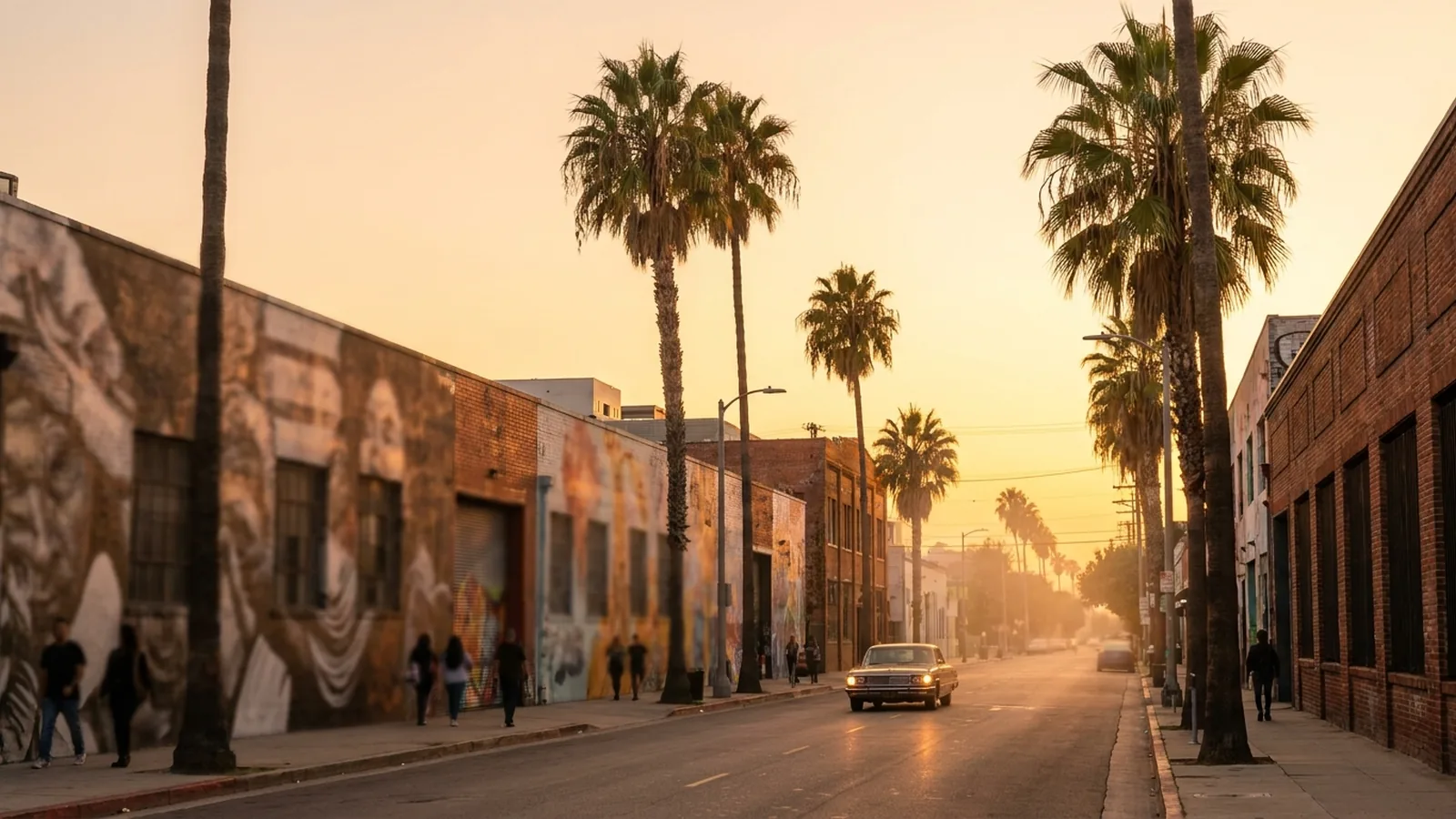
A reworked industrial pocket popular for bakeries, coffee, and casual dining.
Read more →The picks in this guide that have a map location.
Map pins are approximate and for visitor planning only — they may not mark the exact entrance or parking. Please check official directions before visiting.
Want this turned into a day-by-day plan?
Our free AI LA Travel Planner builds a personalized itinerary in seconds.
Downtown is hard to beat for range, with Grand Central Market plus nearby Little Tokyo and Chinatown all within walking distance.
It helps a lot. Some districts like Koreatown are walkable once you arrive, but the San Gabriel Valley and Westside spots are spread out.
Lunch and early evening are easiest for parking and waits. Koreatown is also known for being lively late at night.
 Food
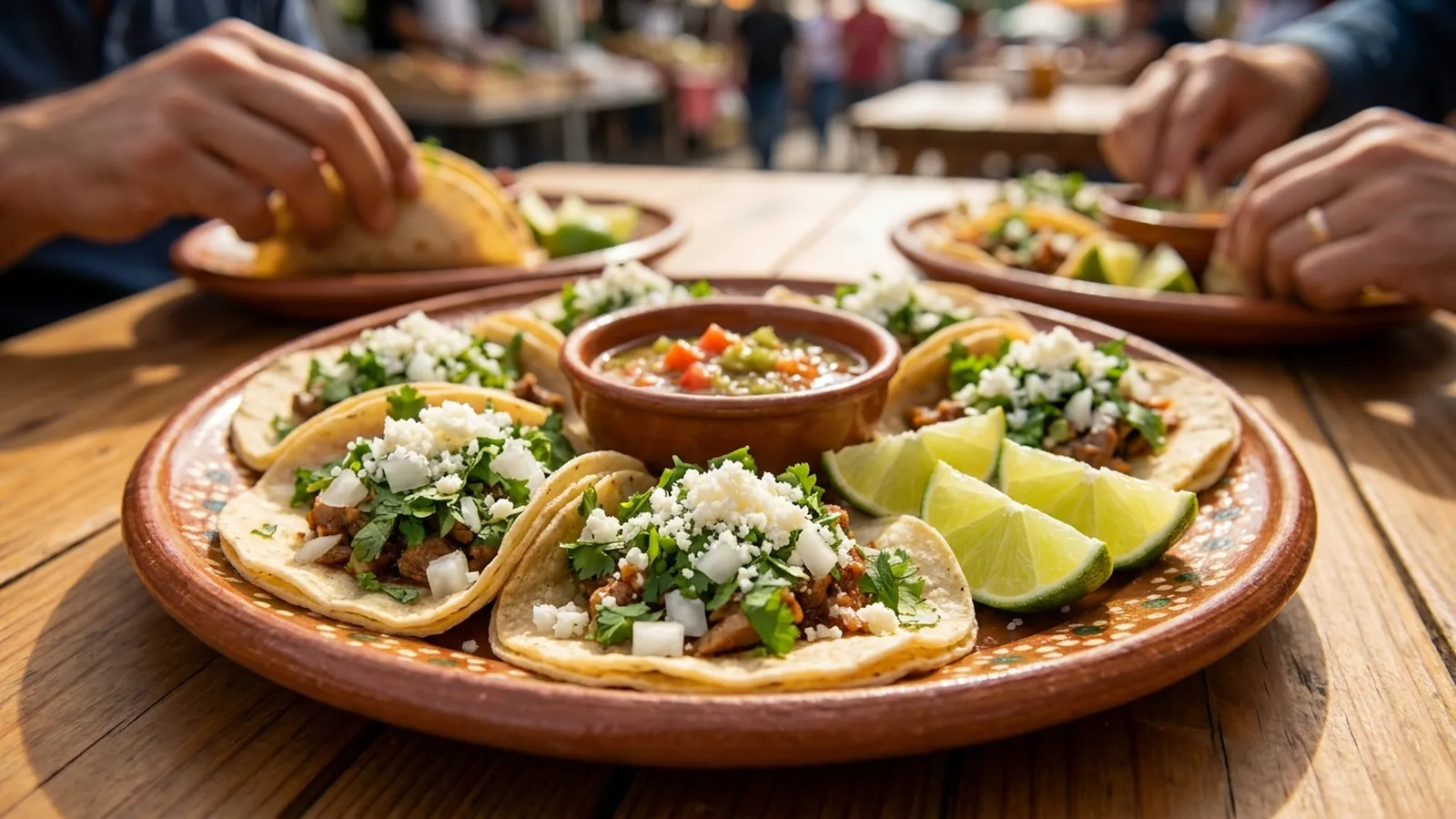
FoodA guide to the LA neighborhoods, street stands, and styles that make the city a taco capital.
 Food
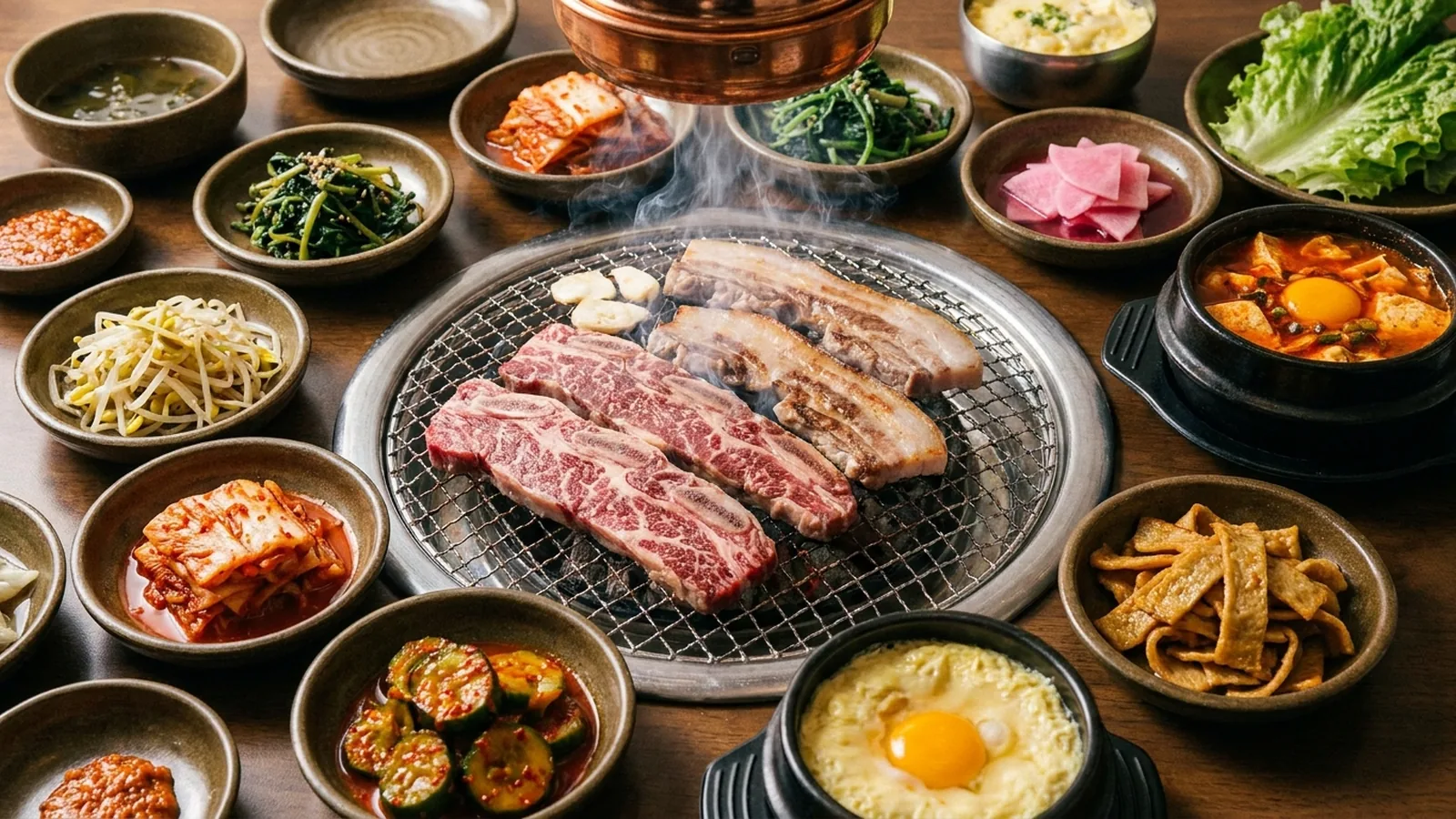
FoodHow to eat your way through Koreatown and beyond, from barbecue to late-night stews.
 Food
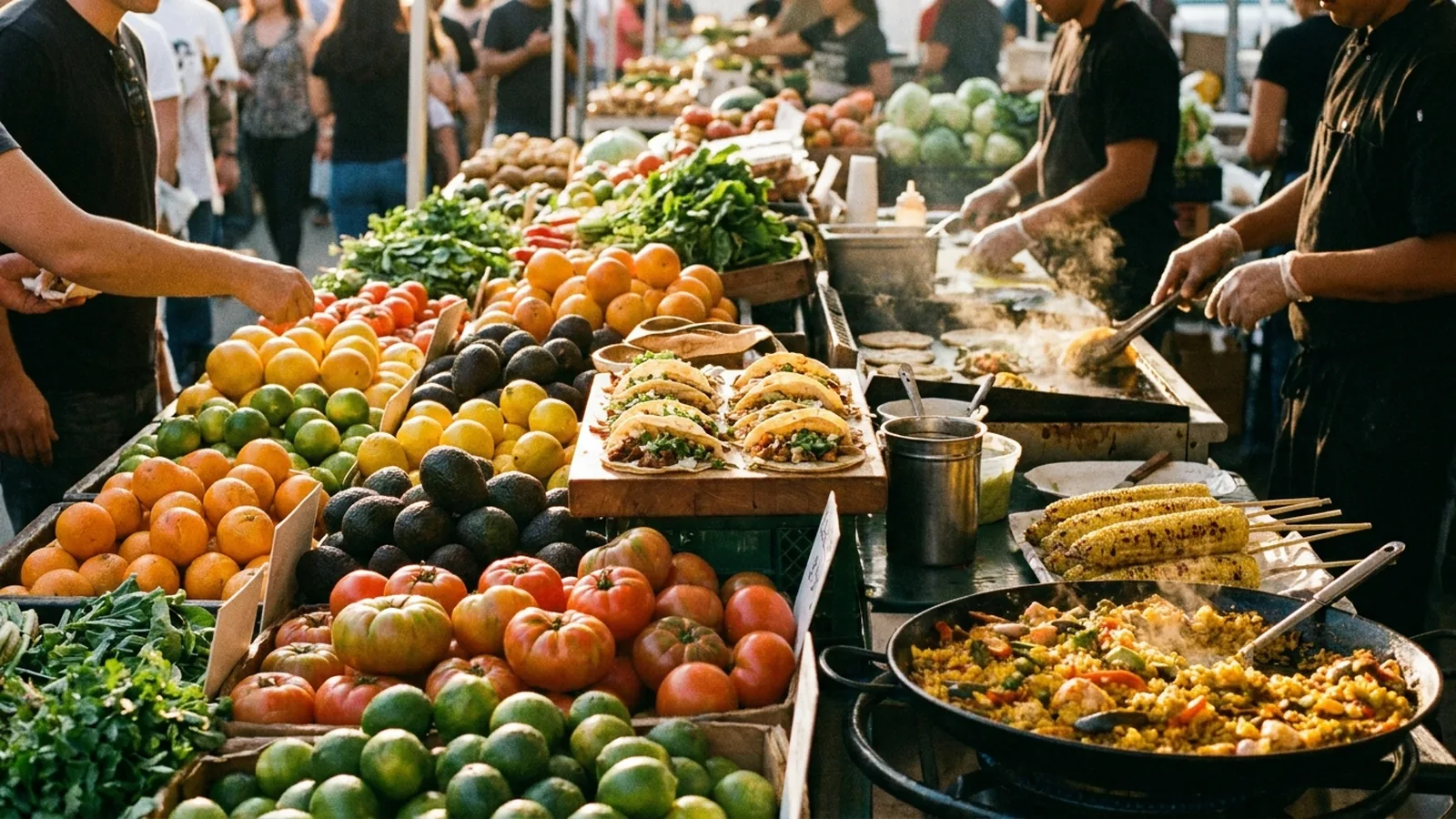
FoodFood halls, historic markets and weekend farmers markets worth building a day around in LA.