Travel Tips
The Best Time to Visit Los Angeles
Los Angeles is a year-round destination, but the right month depends on whether you want beaches, smaller crowds, or the best hotel deals.
Los Angeles is a year-round destination, but the right month depends on whether you want beaches, smaller crowds, or the best hotel deals.
Los Angeles has one of the gentlest climates of any major U.S. city, which is exactly why deciding when to visit can feel tricky: there is no truly bad time to come. The right window depends on your priorities, whether that is warm ocean water, thin crowds at the big attractions, or the lowest hotel rates you can find. This guide is for first-time visitors and repeat travelers trying to time a trip around weather, budget, and the kind of experience they actually want.
For the best balance of warm weather and manageable crowds, aim for late spring (April to early June) or fall (September to November). Summer brings the hottest beach days and the biggest crowds, while winter offers the cheapest rooms and surprisingly pleasant sightseeing weather, with the trade-off of cooler water and occasional rain.
Spring is a sweet spot. Hillsides around Griffith Park and Runyon Canyon are green, jacaranda trees bloom purple across neighborhoods like Los Feliz and Pasadena, and daytime temperatures are comfortable for walking the Hollywood Walk of Fame or exploring the Getty Center. One thing to know: late spring brings "May gray" and "June gloom," a low marine layer that keeps the coast overcast until afternoon. Beaches like Santa Monica and Venice may be cloudy in the morning even when it is sunny inland.
Summer is peak season. This is when the Santa Monica Pier, Venice Beach Boardwalk, and Zuma Beach are liveliest, the Hollywood Bowl season is in full swing, and ocean water is warmest. It is also the most crowded and expensive time, and inland areas like Universal City and downtown can get genuinely hot. If you come in summer, plan beach time and book popular spots like Universal Studios Hollywood or the Getty Villa in advance.
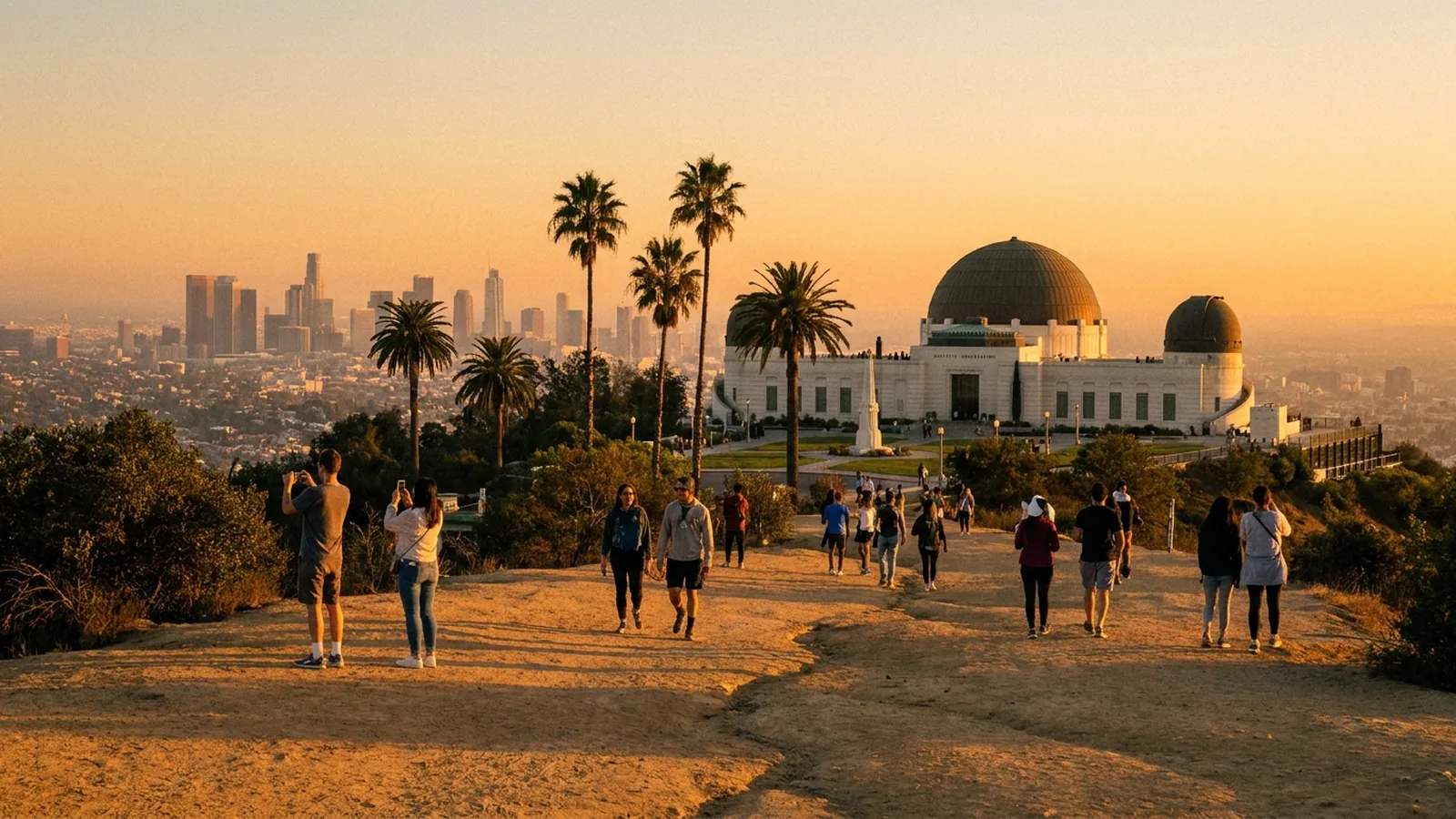
Many locals consider fall the best season. Crowds thin after Labor Day, the marine layer fades, and you often get clear, warm "Santa Ana" days perfect for hiking to the Griffith Observatory or visiting the beaches. This is also when air can be driest, so check air-quality and wildfire updates if you are sensitive.
Winter is the bargain season and better than its reputation. Many days are sunny and in the 60s, ideal for museums like The Broad, LACMA, and the Academy Museum, or strolling Olvera Street and Grand Central Market. Expect a handful of rainy stretches and cooler nights. Hotel rates outside the holiday weeks are often the lowest of the year.
Los Angeles is spread out, and a car remains the most flexible way to reach Malibu, the San Gabriel Valley, and the South Bay. That said, the Metro rail network connects Hollywood, downtown, and Santa Monica, and is a reasonable car-free option if you base yourself along those lines. Walking works well within individual neighborhoods, but plan to drive or ride transit between them. Whatever the season, traffic is heaviest on weekday mornings and late afternoons, so schedule long drives outside rush hour.
If you visit in summer, pair a beach base like Santa Monica or Manhattan Beach with day trips to Malibu. In winter, a downtown LA or Hollywood base keeps you close to indoor attractions when rain rolls through. Spring and fall are flexible enough that almost any base works.
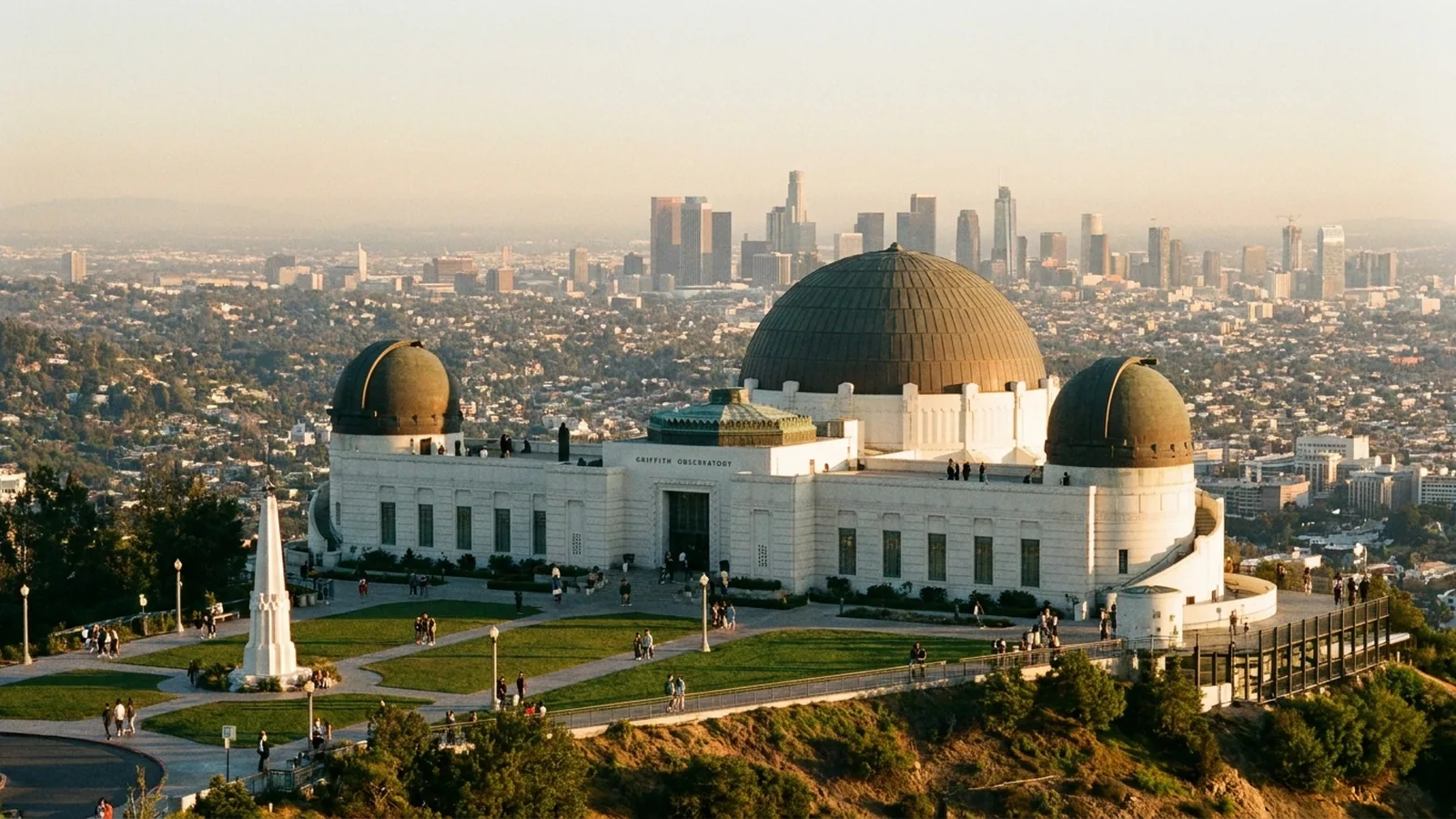
Clear fall and spring skies make this hilltop landmark a top choice for views and stargazing.
Read more →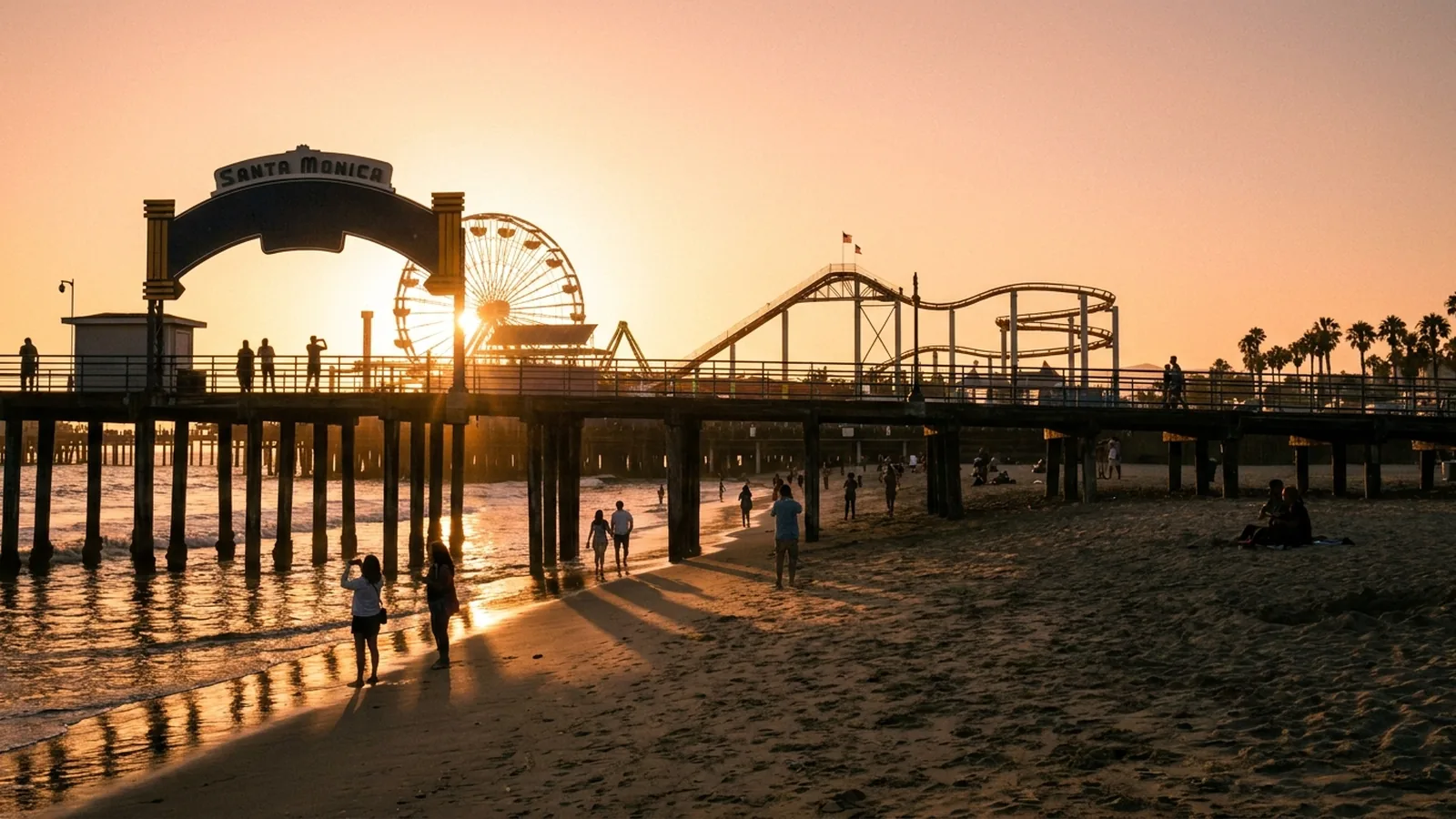
Liveliest in summer, but pleasant year-round once the morning marine layer burns off.
Read more →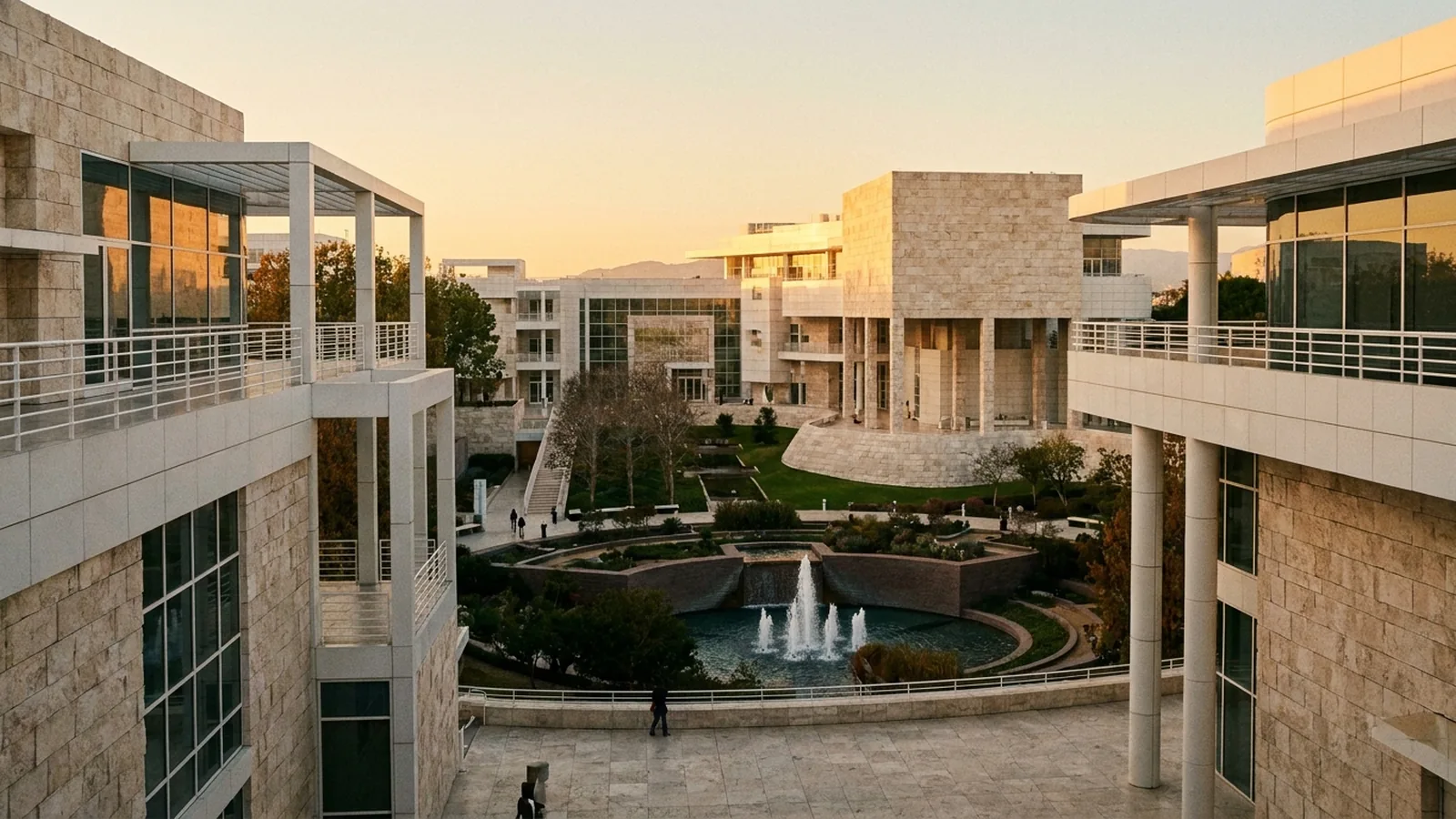
An indoor-outdoor option that shines in spring when the gardens are in bloom.
Read more →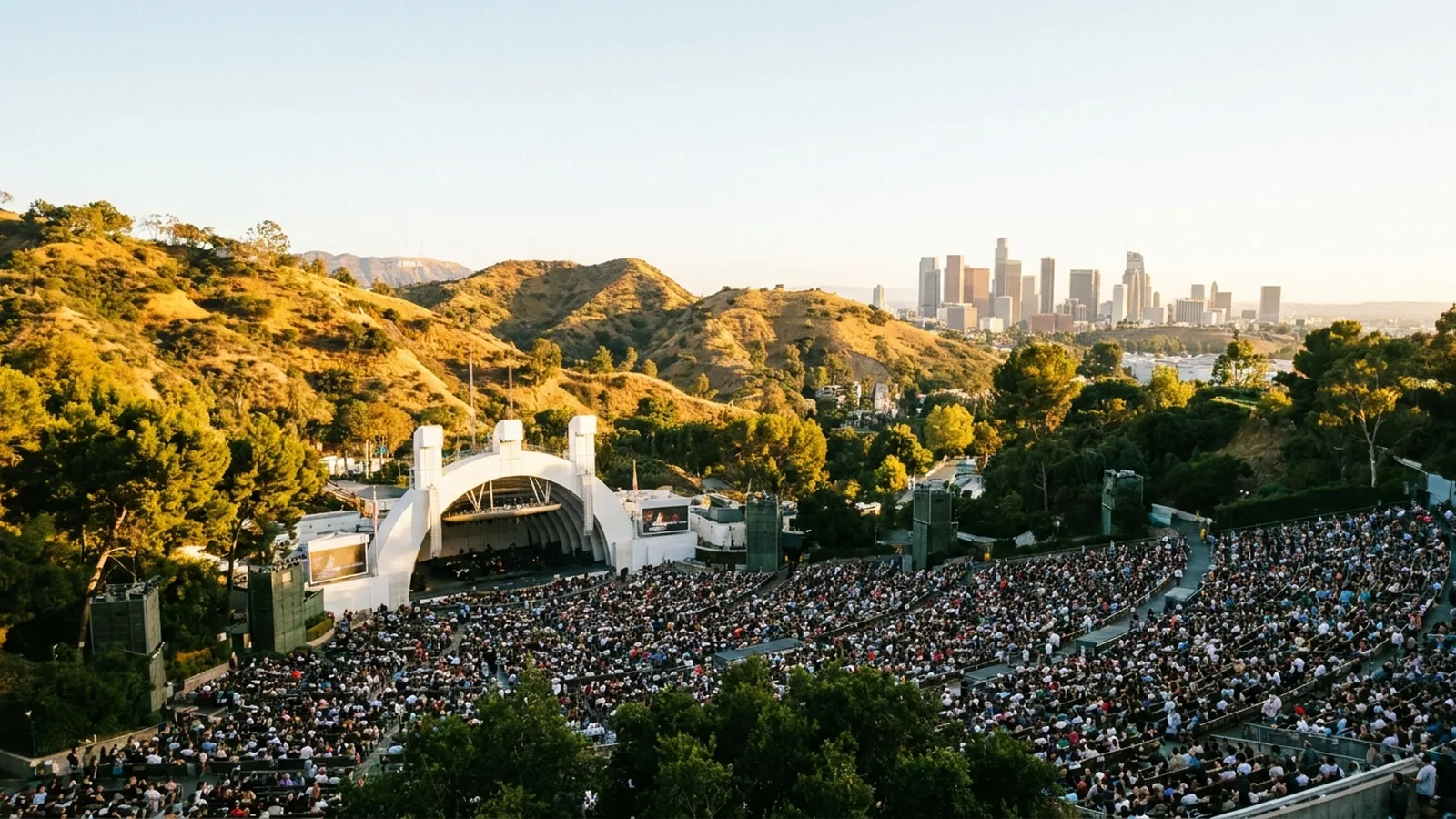
An open-air amphitheater with a summer concert season worth planning a trip around.
Read more →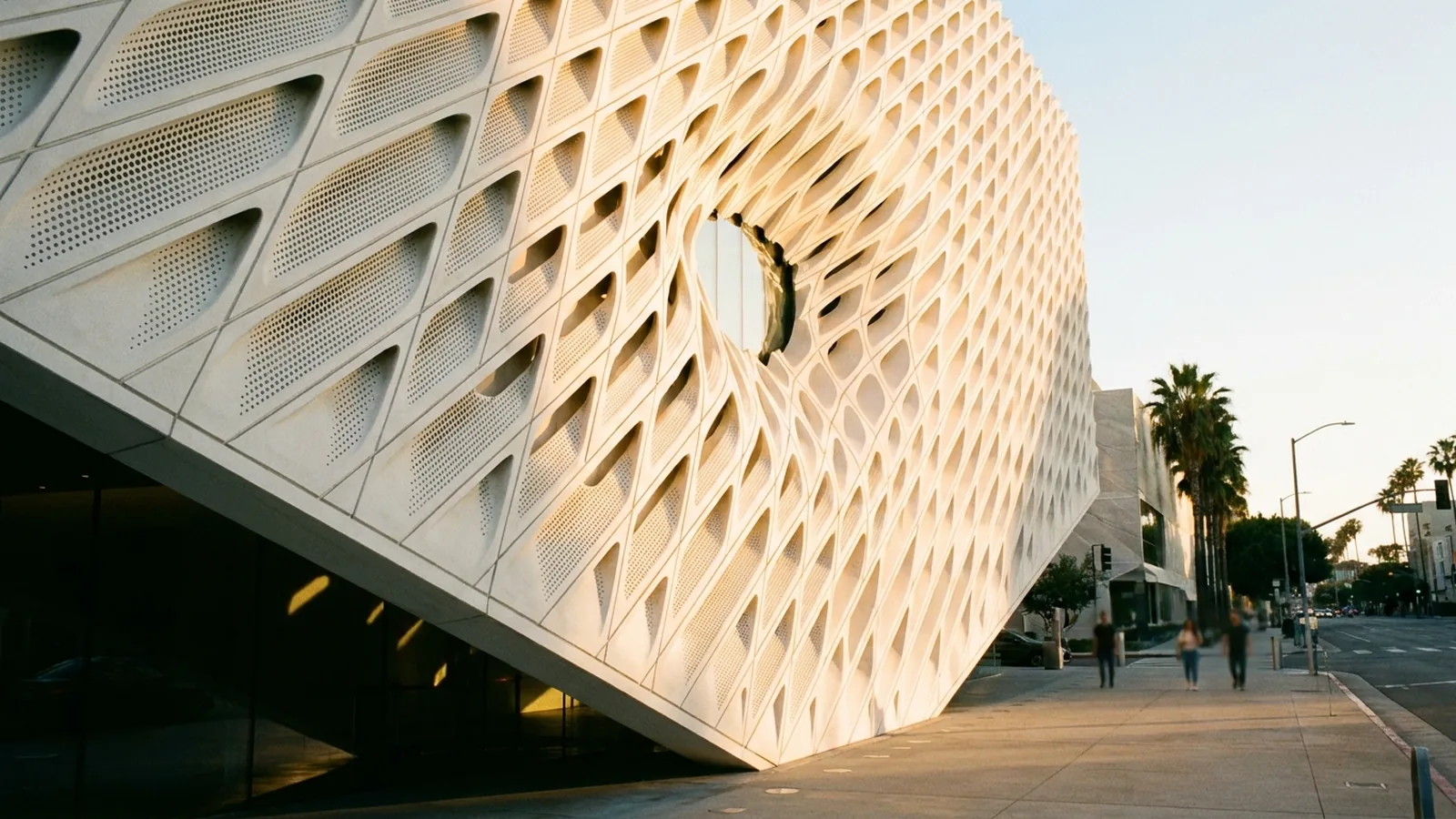
A free contemporary art museum that makes a smart rainy winter day out.
Read more →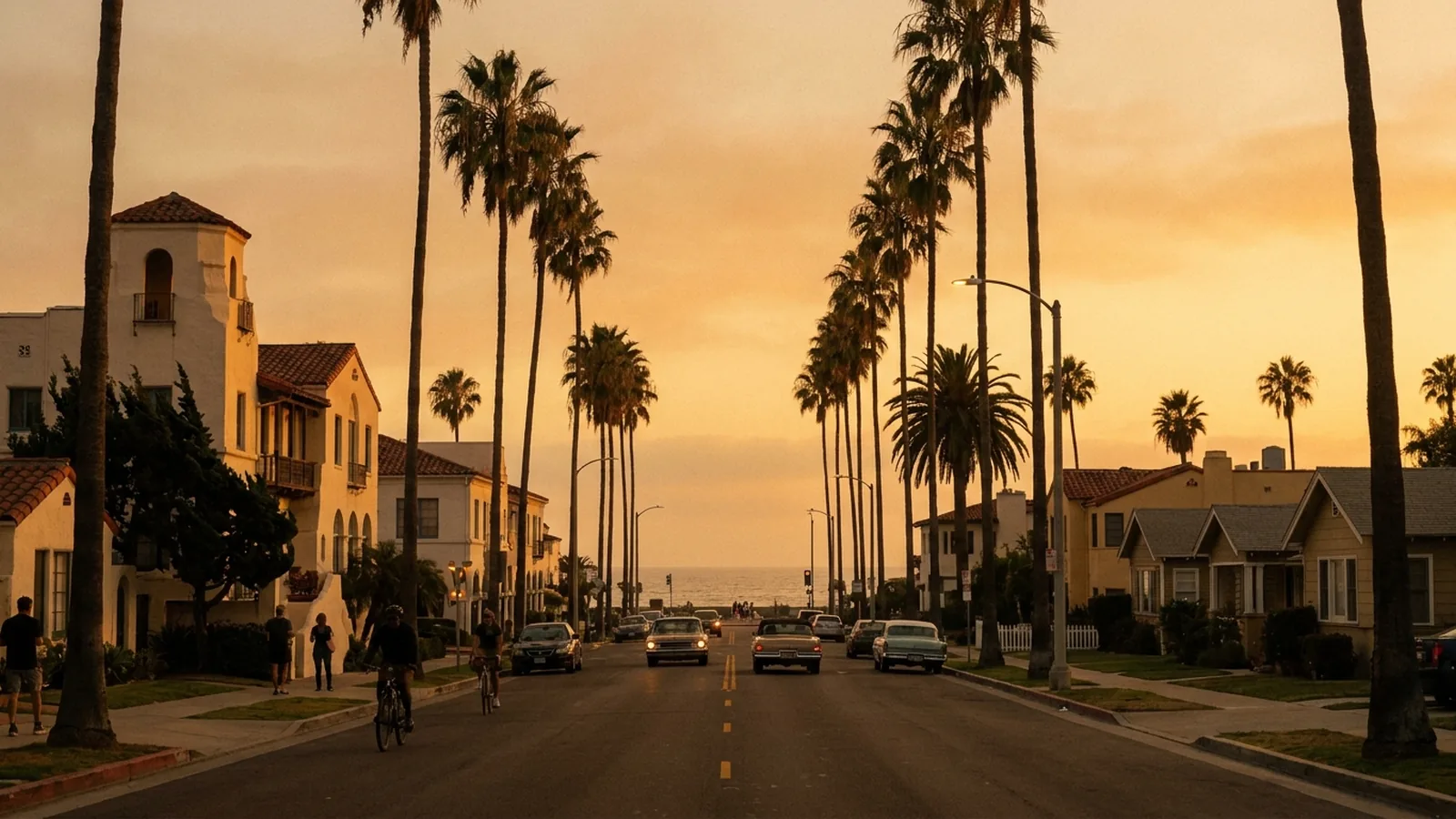
A beach base that pairs well with summer trips and stays walkable in any season.
Read more →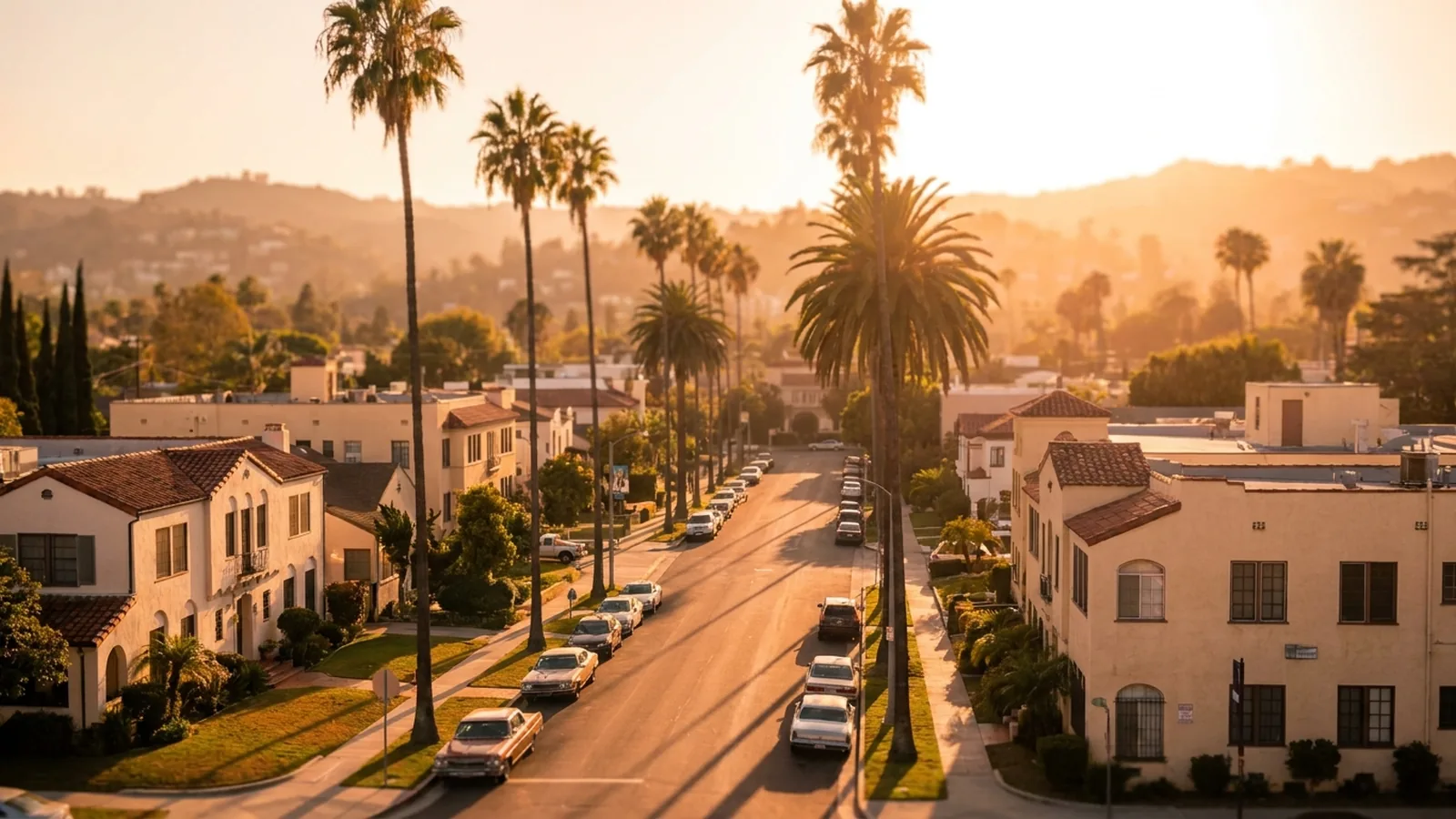
Central and transit-friendly, a strong winter base near indoor attractions.
Read more →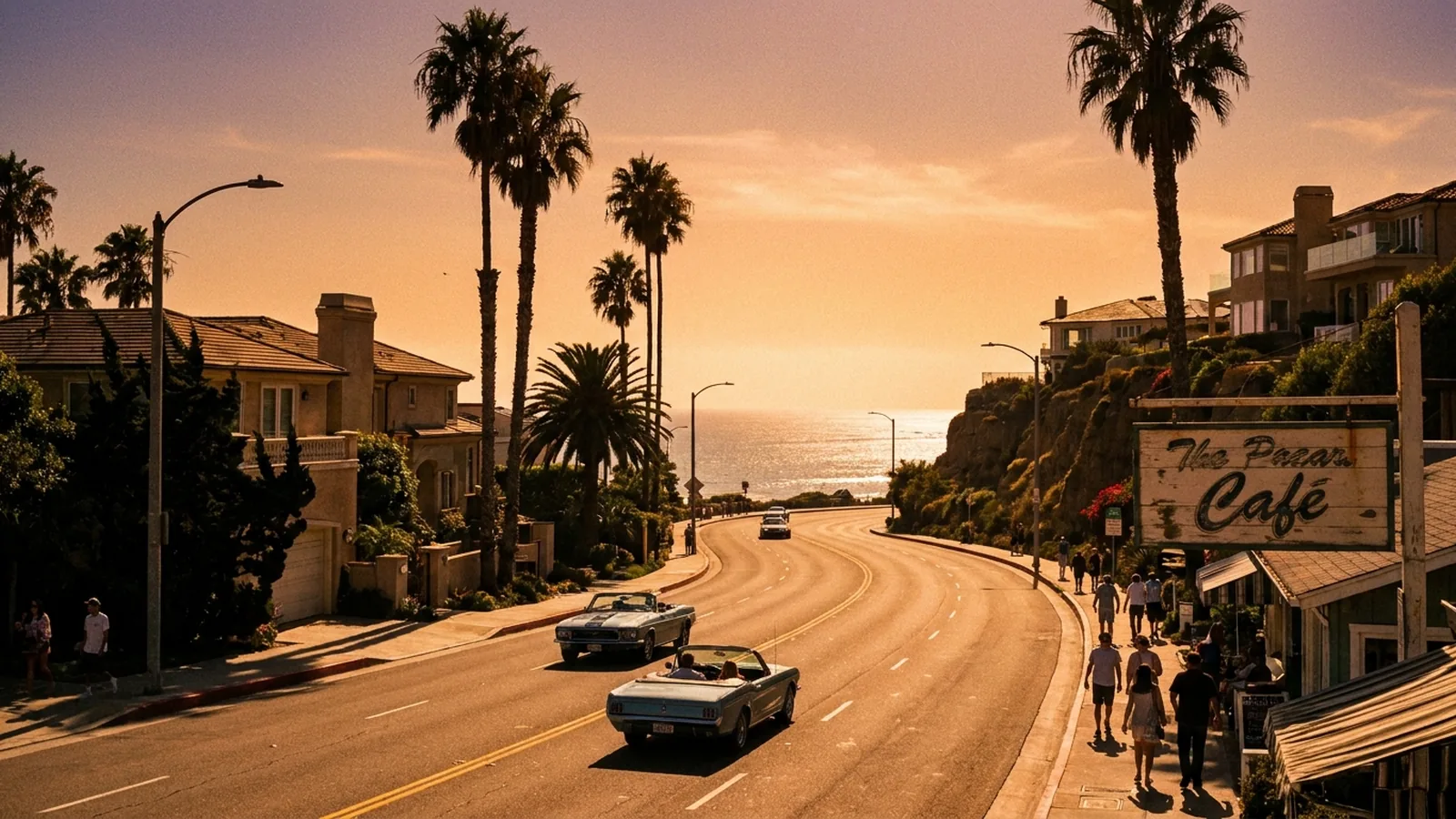
Best in late summer and early fall when the coast is clear and the water is warmest.
Read more →The picks in this guide that have a map location.
Map pins are approximate and for visitor planning only — they may not mark the exact entrance or parking. Please check official directions before visiting.
Want this turned into a day-by-day plan?
Our free AI LA Travel Planner builds a personalized itinerary in seconds.
Outside the holiday weeks, winter (January and February) typically has the lowest hotel rates, with many sunny days good for museums and sightseeing.
It is a low cloud layer that often greys the coast in the morning, especially in late spring. It usually burns off by midday, so plan beach time for the afternoon.
The water is warmest from roughly August into early October. Spring and winter water is cool, so many swimmers prefer wetsuits then.
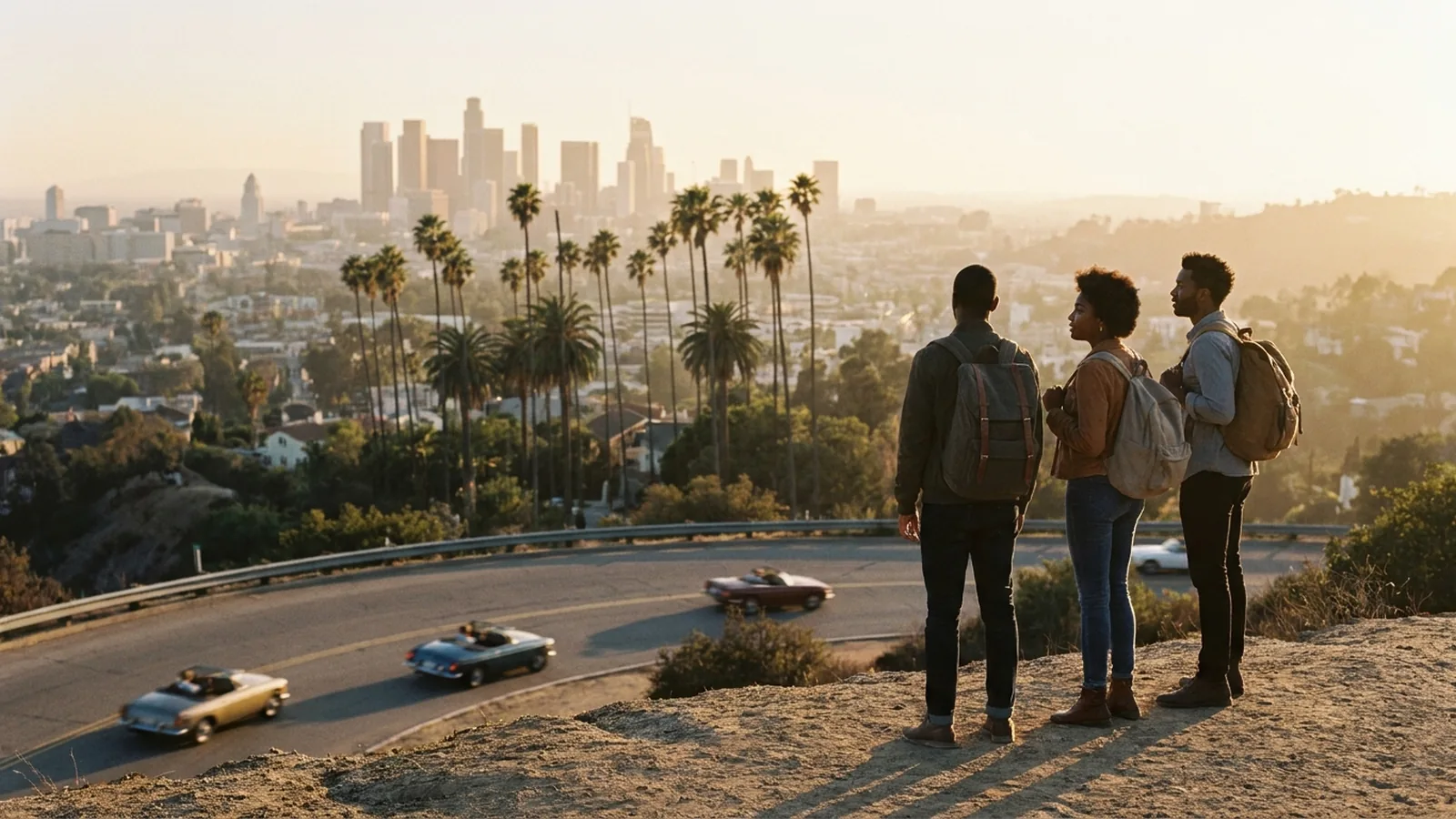 Planning
Everything a first-timer needs to know before landing in LA: how the city is laid out, when to go, how to get around, and how to avoid rookie mistakes.
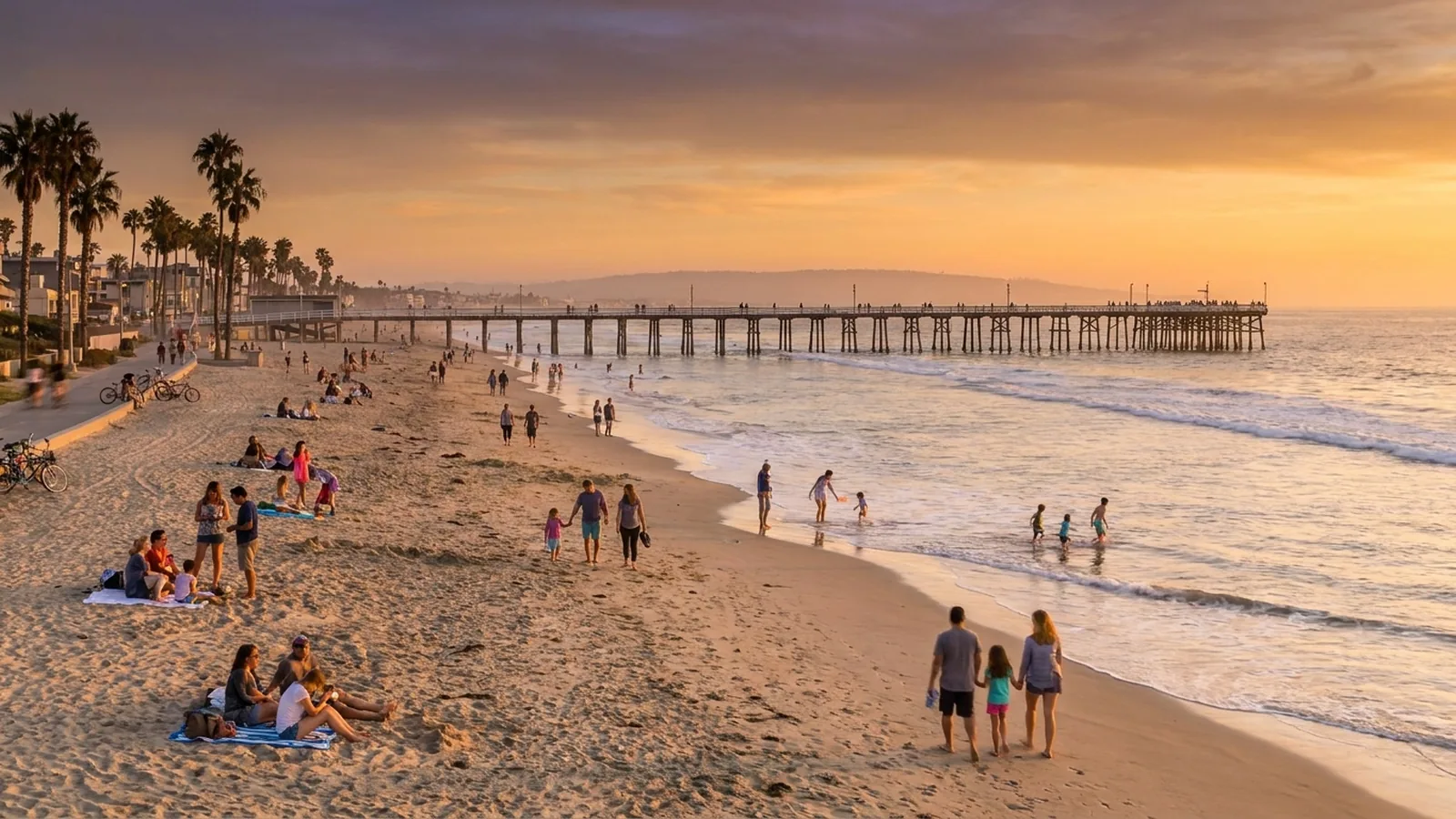 Beaches
From the family-friendly South Bay piers to Malibu's cliff-backed coves, here is how to pick the right stretch of LA sand for your day.
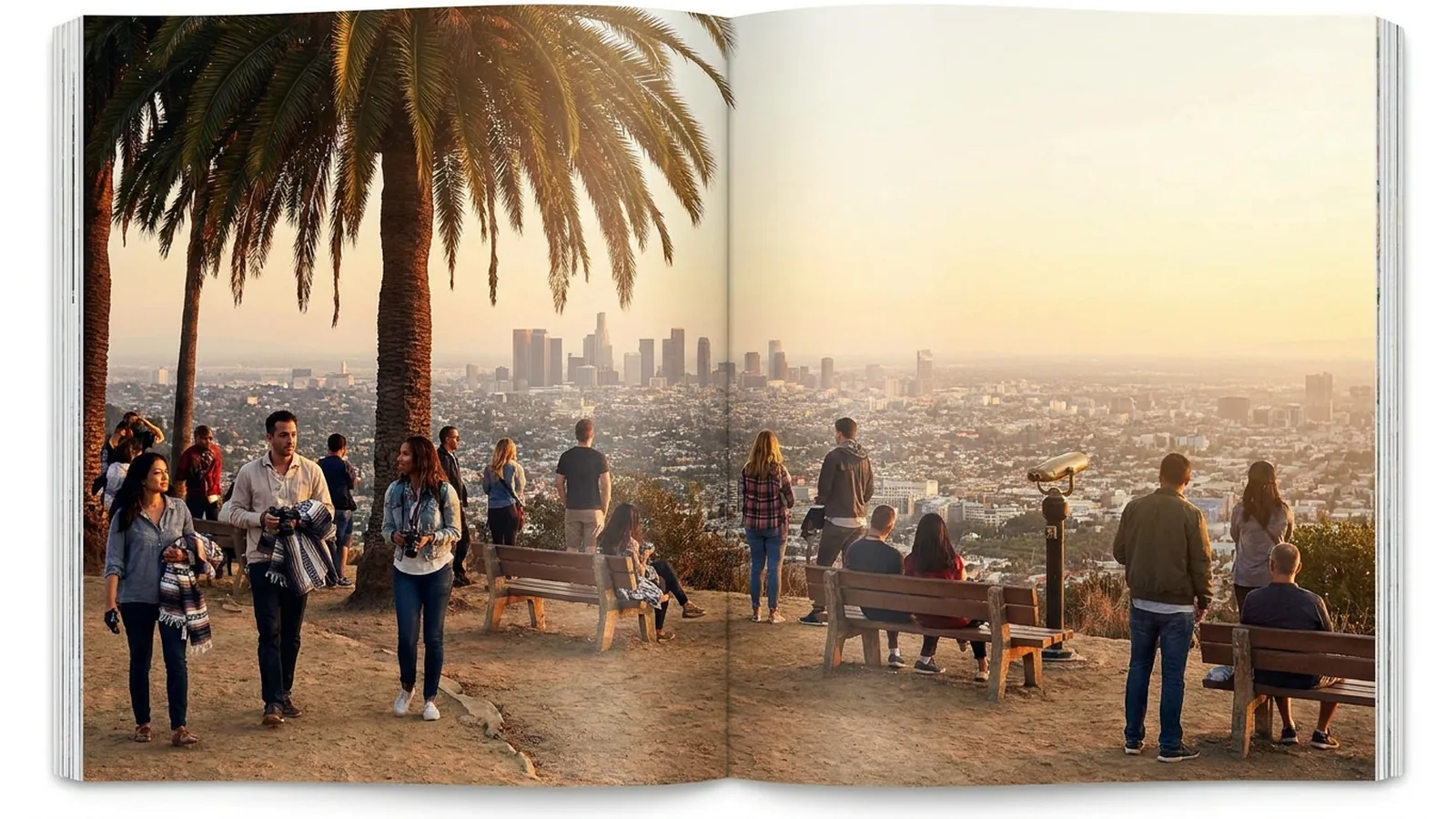 Photography
Where to be when the LA sky turns gold and pink, from the Griffith Observatory terraces to Malibu's sea-cave coves.