Why visit
Few places let you stand over an active fossil dig in the middle of a major city, watching paleontologists pull Ice Age bones from the same asphalt that trapped them tens of thousands of years ago. The combination of a serious research museum, outdoor seeps you can walk right up to, and a green park makes it both educational and genuinely atmospheric. It is a uniquely LA experience that connects deep prehistory to the modern streetscape of Wilshire Boulevard.
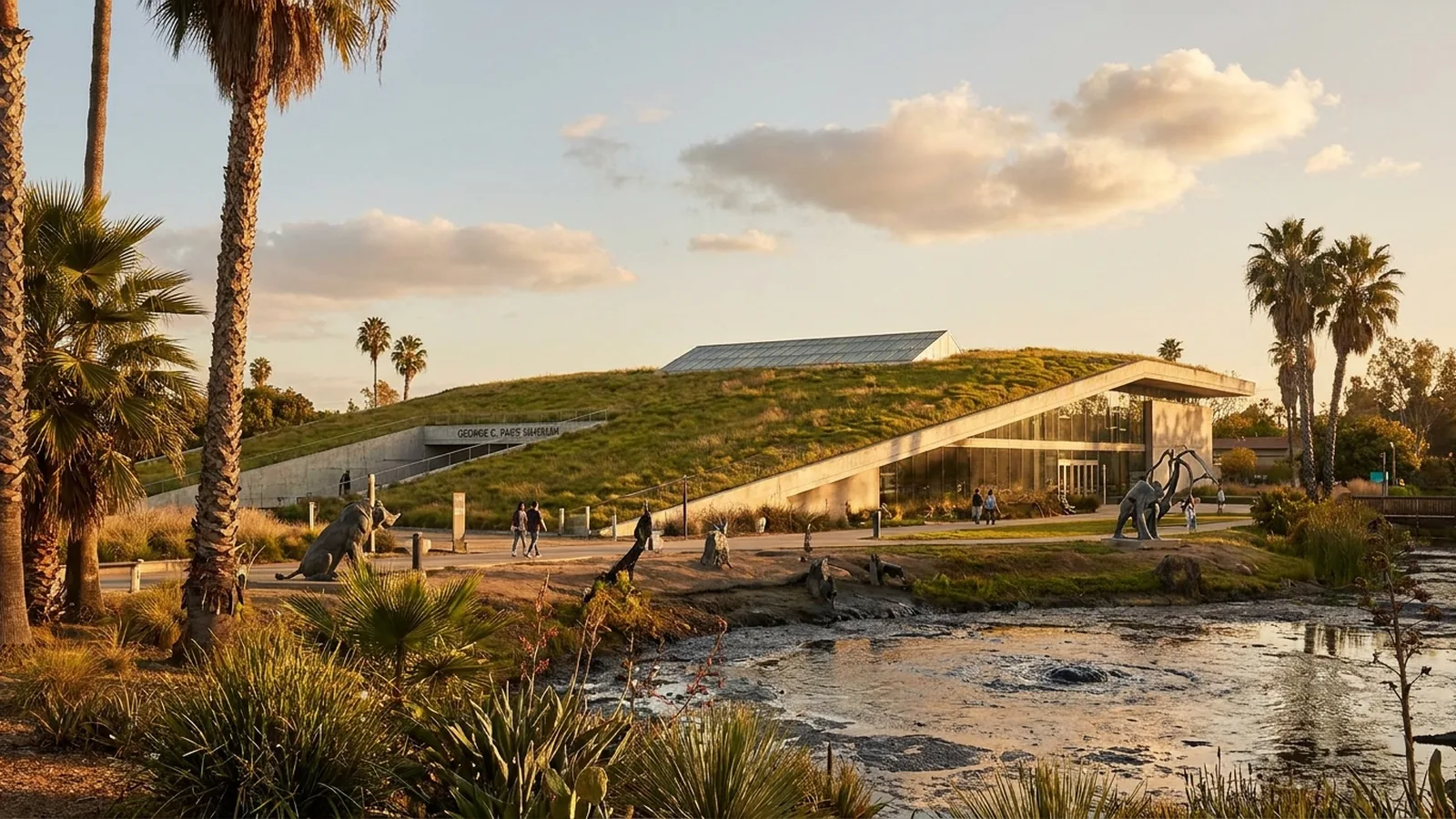
Set within Hancock Park on Wilshire Boulevard, the La Brea Tar Pits are a working excavation in the heart of the city. For over 50,000 years, crude oil has risen to the surface and formed sticky asphalt seeps that ensnared mammoths, mastodons, dire wolves, saber-toothed cats, and countless smaller creatures. Scientists have recovered millions of specimens here, making it one of the richest and most studied fossil deposits anywhere on Earth.
The adjacent George C. Page Museum displays reconstructed skeletons, a wall of hundreds of dire wolf skulls, and the famous fossil-filled Pit 91 and Project 23 excavations. You can stroll the surrounding park to see the bubbling asphalt lake with its life-size mammoth models, peer into the Observation Pit, and watch researchers clean and catalog fresh finds in the glass-walled Fossil Lab. It is a rare place where active science and public exhibition share the same grounds.
History
Indigenous peoples used the natural asphalt for waterproofing long before settlers arrived, and the seeps were noted by the Portolá expedition in 1769. The land was once part of Rancho La Brea, and in the early 20th century the Hancock family deeded the property to Los Angeles County with the stipulation that the fossils be preserved and exhibited. Systematic excavation began in earnest in 1913, and the George C. Page Museum opened on the site in 1977 to house and display the staggering collection.
Insider Tips
- ✦Combine your visit with the adjacent LACMA art museum for a full cultural day.
- ✦The outdoor seeps are free to view, but the museum and tours require tickets.
- ✦Bring water and sun protection, since much of the experience is outdoors.
Photo Tips
- 📸Shoot the bubbling asphalt lake with the life-size mammoth models for a dramatic foreground.
- 📸The wall of dire wolf skulls inside the museum makes a striking, repeating-pattern shot.
- 📸Golden-hour light over the seeps gives the tar a glossy, reflective sheen.
Before You Go
- ✓Buy timed tickets online in advance, especially on weekends and during summer.
- ✓Wear comfortable shoes for walking the outdoor seeps and park paths.
- ✓Check whether any excursion tours or the 3D film are running and reserve a spot.
Visiting with family
Kids love watching real fossils being cleaned in the glass-walled Fossil Lab and meeting the towering mammoth skeleton. Strollers roll easily through the park, and the outdoor lawns are good for a break between exhibits.
Where to Eat Nearby
Want this turned into a day-by-day plan?
Tell our free AI planner you want to visit La Brea Tar Pits and it will build the rest of your day around it.
La Brea Tar Pits FAQ
Is it tar or asphalt in the pits?
It is technically asphalt, a form of natural crude oil that seeps to the surface and hardens; 'tar pits' is a popular nickname rather than a precise scientific term.
Can I see active excavation?
Yes, depending on the day you can watch paleontologists working at dig sites and cleaning fossils in the on-site Fossil Lab.
Is it good for kids?
Very much so; the Ice Age skeletons, mammoth models, and live lab work are engaging for children and families.
More Museums in LA
 Museums
The Getty Center
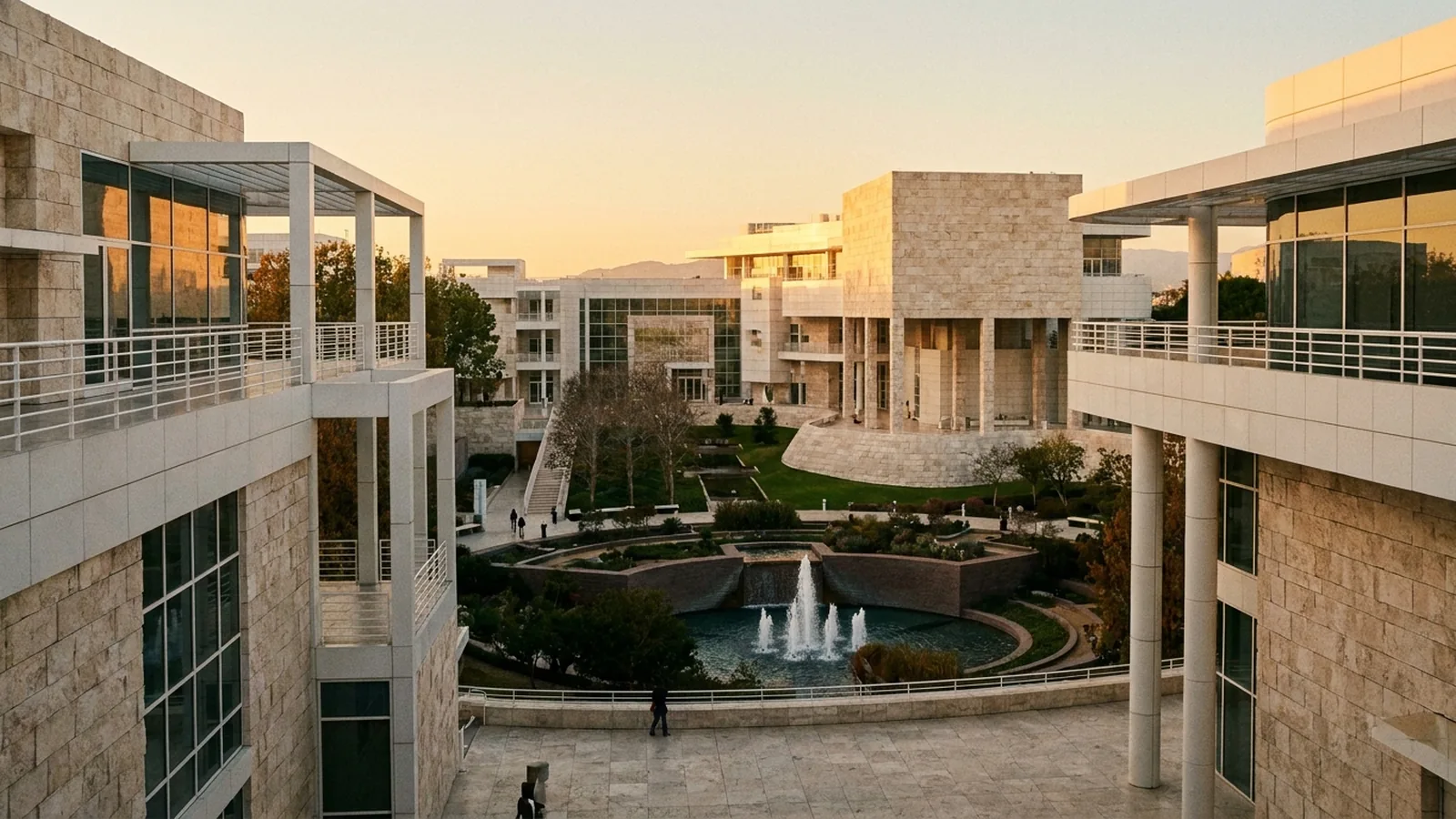
The Getty Center is a world-class art museum set on a hilltop above the 405, famous for its Richard Meier travertine architecture and sweeping city views. Admission is free, and the galleries, gardens, and panoramas make it one of LA's most rewarding cultural destinations.
 Museums
The Broad
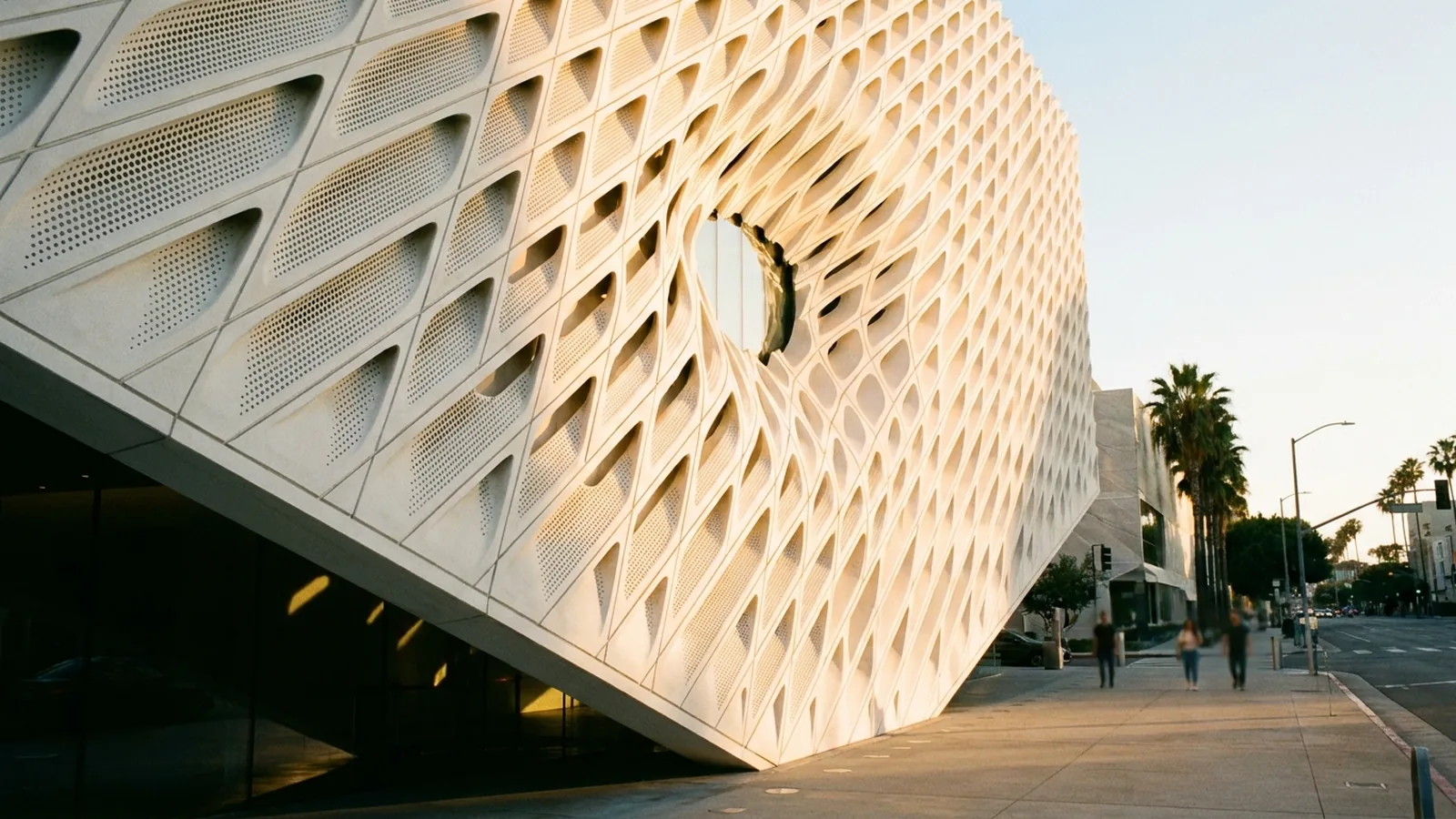
The Broad is a contemporary art museum in Downtown LA known for its striking honeycomb facade and a powerhouse collection of postwar and contemporary works. General admission is free, and it's home to Yayoi Kusama's wildly popular Infinity Mirror Rooms.
 Museums
Getty Villa
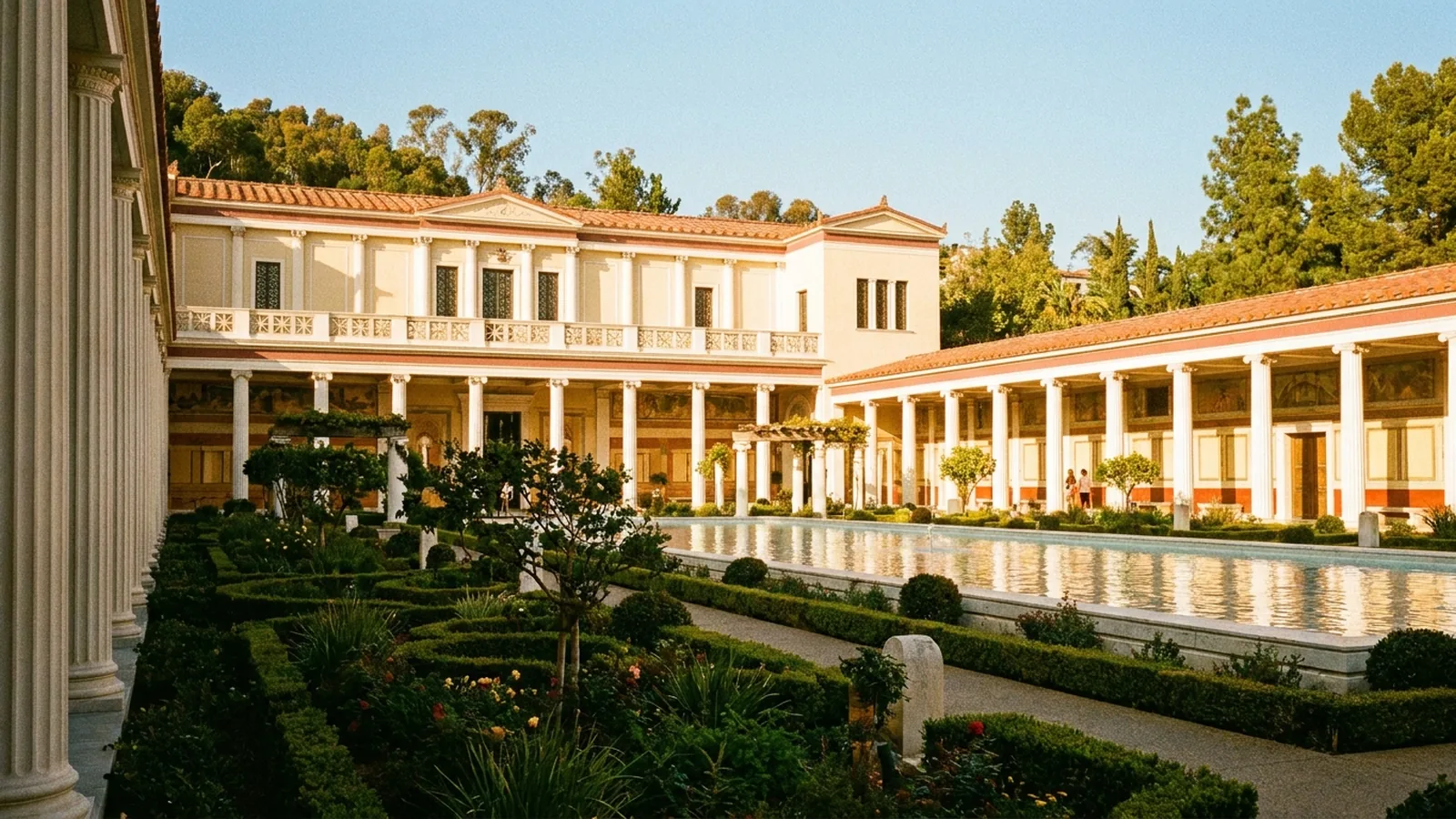
The Getty Villa is a recreated ancient Roman country house overlooking the Pacific that houses the J. Paul Getty Museum's collection of Greek, Roman, and Etruscan antiquities. Set among gardens, fountains, and a peristyle pool, it pairs world-class classical art with one of LA's most serene settings.
 Museums
LACMA
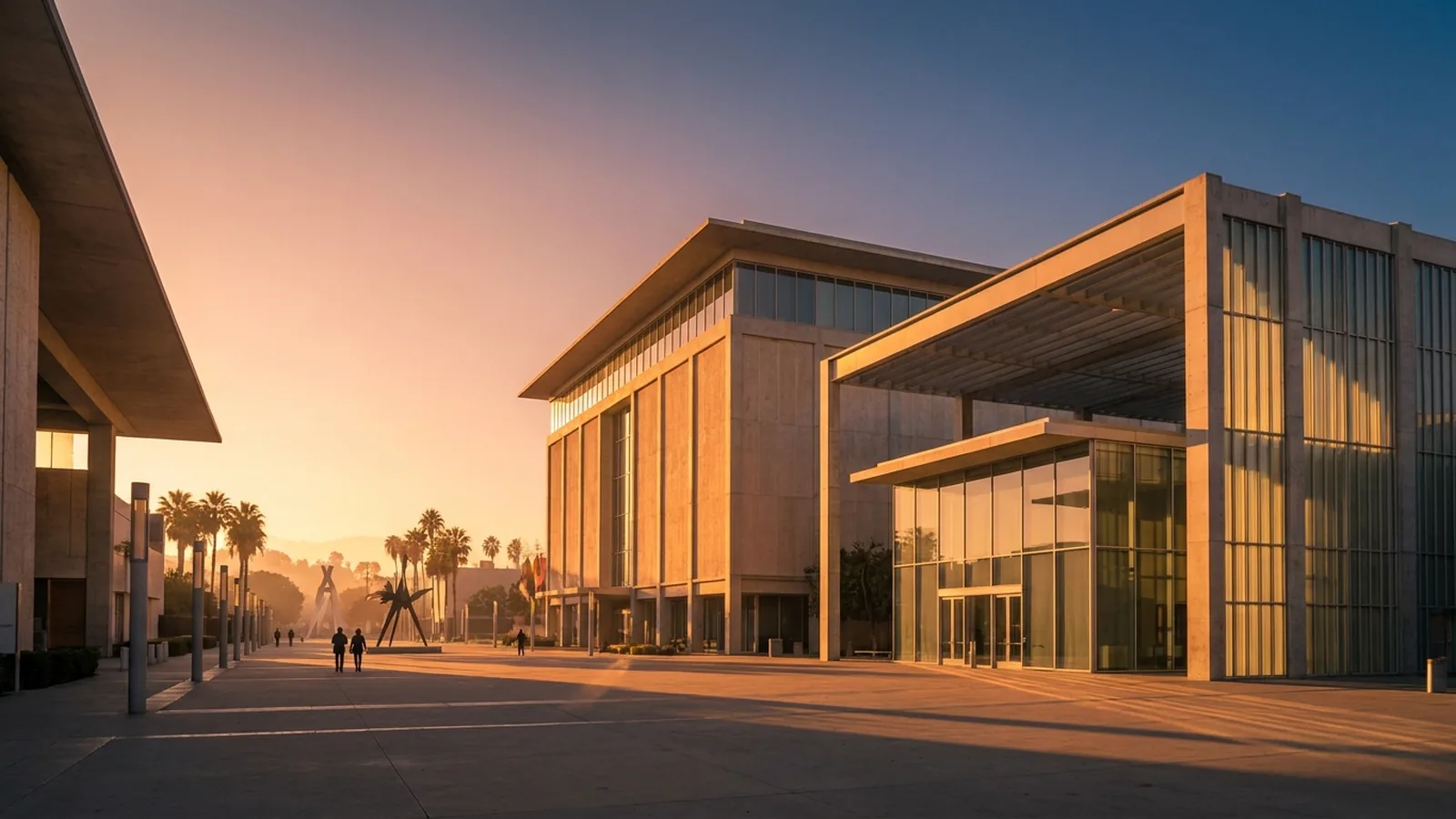
The Los Angeles County Museum of Art (LACMA) is the largest art museum in the western United States, with a collection spanning thousands of years and cultures. Its Miracle Mile campus is anchored by the famous Urban Light lamppost installation.
Helpful Guides
 Museums
The Best Museums in Los Angeles
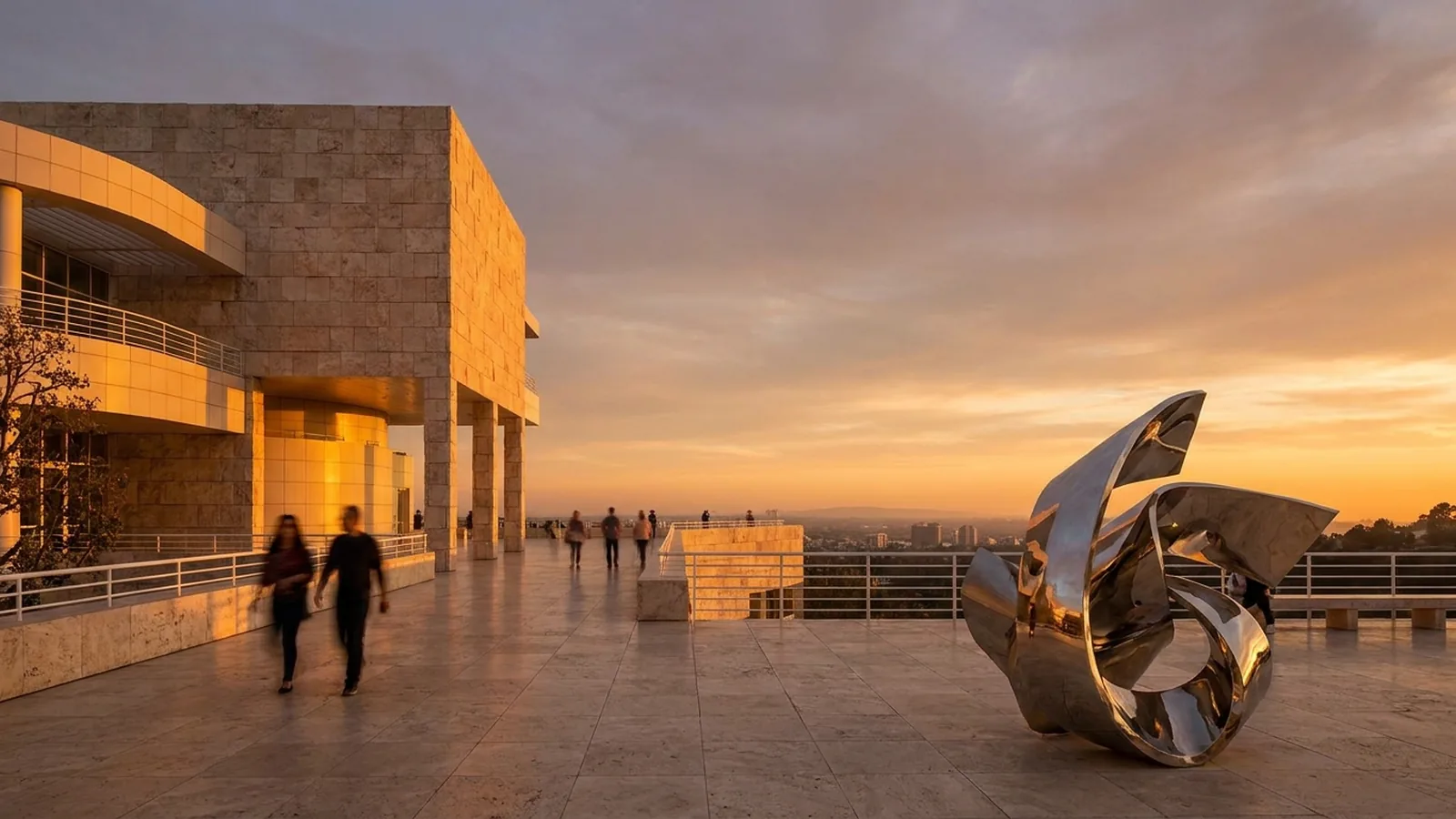
LA's museums span Old Master paintings, dinosaurs, movie history, and contemporary art, and several of the best are free to enter.
 Family
The Best Family Activities in Los Angeles
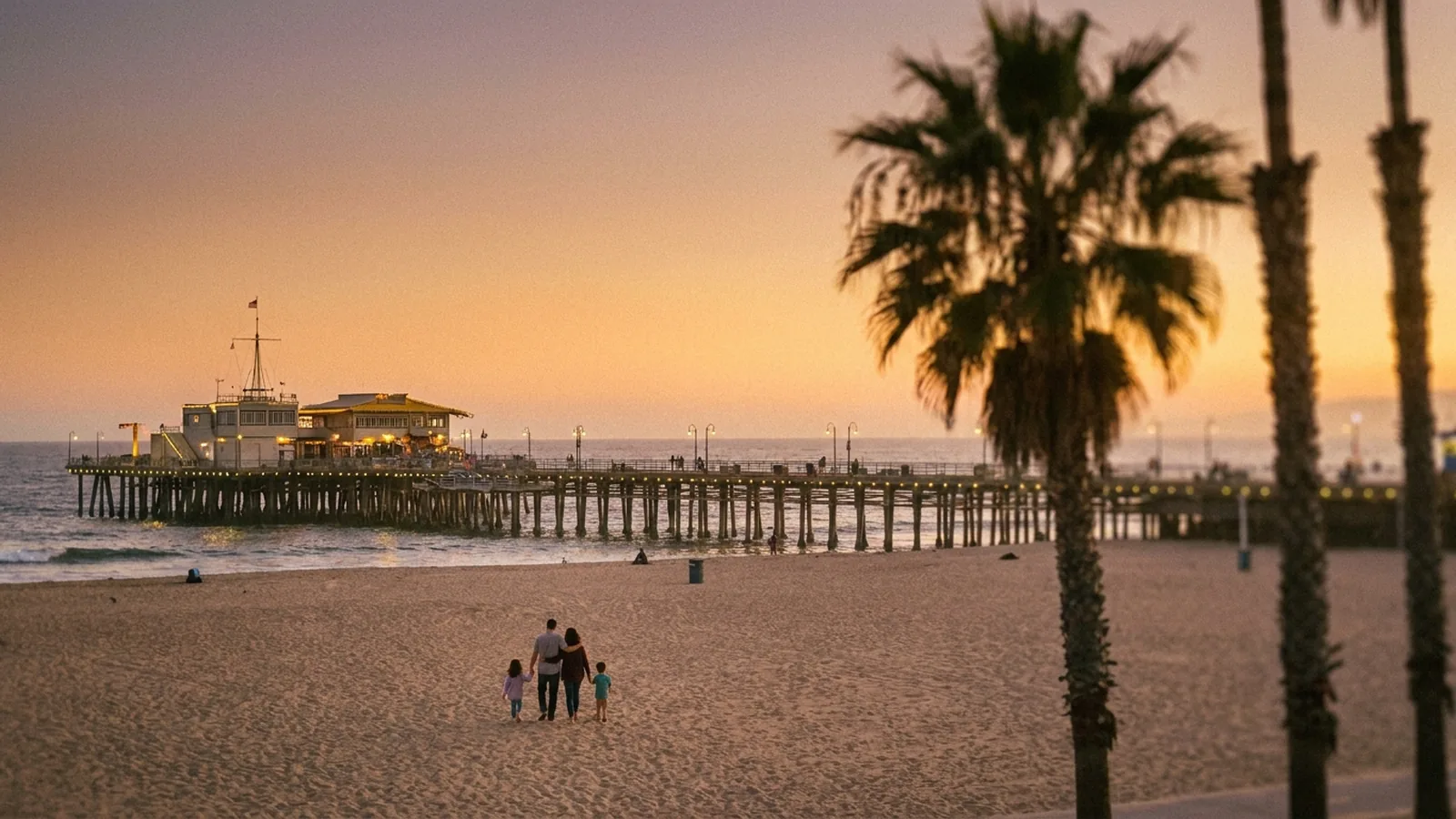
Theme parks, hands-on museums, easy beaches, and free outdoor days the whole crew will actually enjoy.
La Brea Tar Pits on the map
See La Brea Tar Pits and what's nearby in Miracle Mile.
Map pins are approximate and for visitor planning only — they may not mark the exact entrance or parking. Please check official directions before visiting.
Places shown on this map (4)
- La Brea Tar Pits — Museums
- LACMA — Museums
- Academy Museum of Motion Pictures — Museums
- Petersen Automotive Museum — Museums