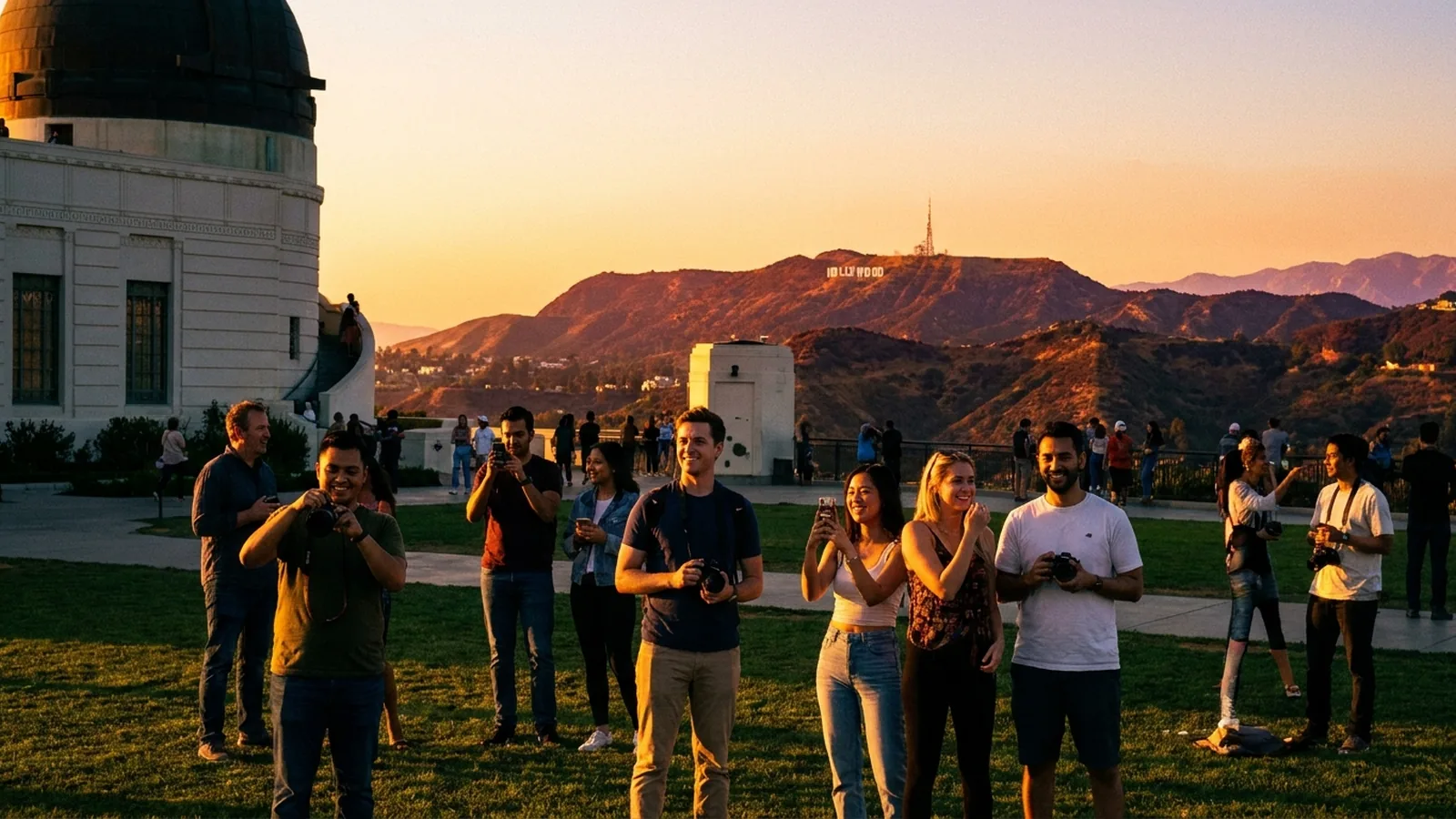
Photography
The Best Photo Spots in Los Angeles
Iconic skylines, architectural icons, sea caves, and color-soaked streets, plus when to shoot them for the best light.
Iconic skylines, architectural icons, sea caves, and color-soaked streets, plus when to shoot them for the best light.
Few cities photograph as well as Los Angeles. The light alone, that clean, golden Southern California glow, does half the work, and the rest is a buffet of subjects: midcentury architecture, palm-lined boulevards, dramatic coastline, neon, and murals. Whether you're shooting on a phone or a full kit, LA gives you an enormous range within a short drive.
This guide rounds up the spots that consistently deliver, with notes on when to shoot them. Timing is everything here. The difference between a flat midday snapshot and a frame-worthy image is often just showing up at sunrise or golden hour, and knowing which way to point the camera. We've flagged the light, the crowds, and the angles that make each place sing.
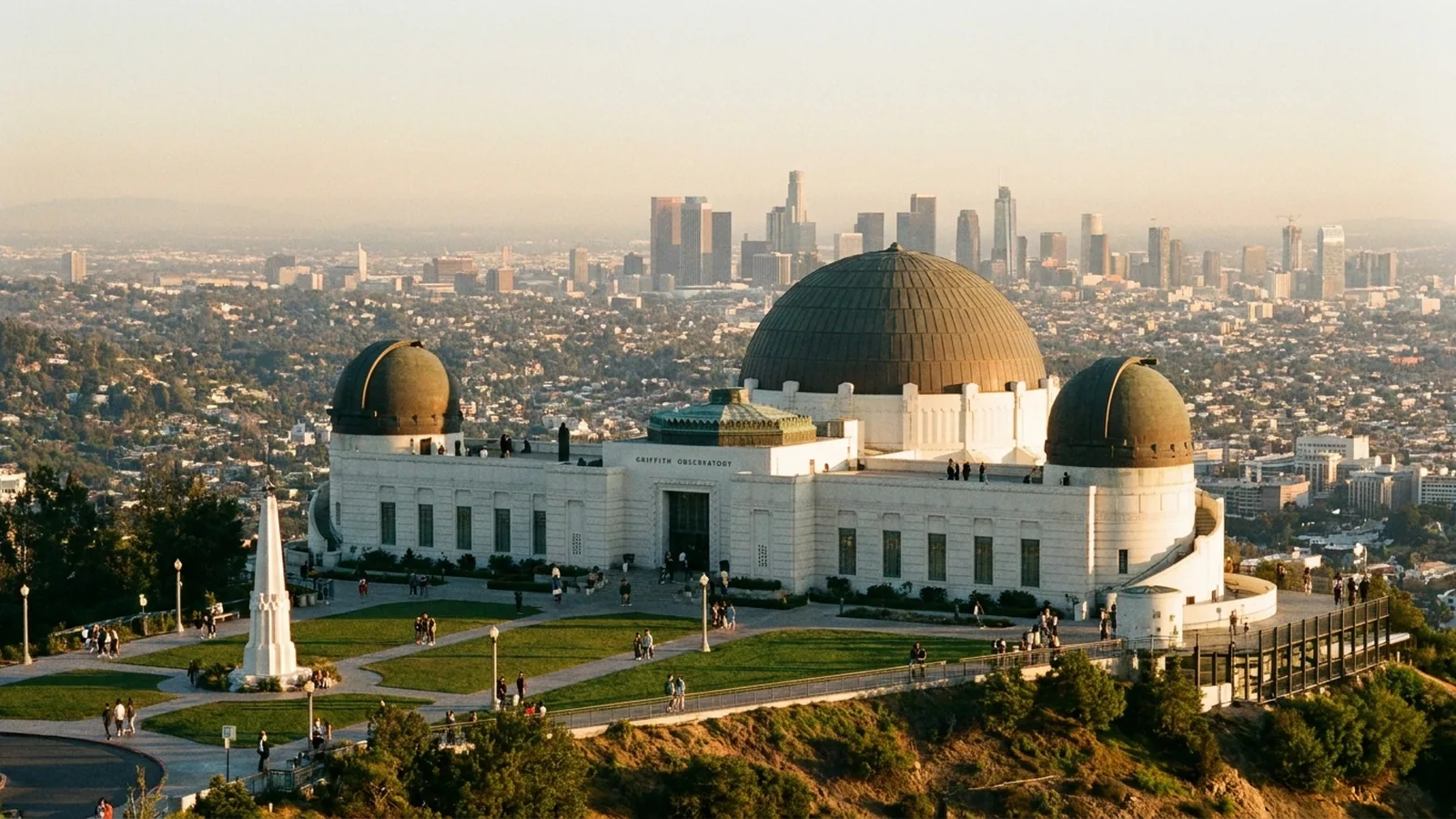
The classic shot: the Art Deco domes with the city sprawl or Hollywood Sign behind. Blue hour, just after sunset, is magic. Free to visit.
Read more →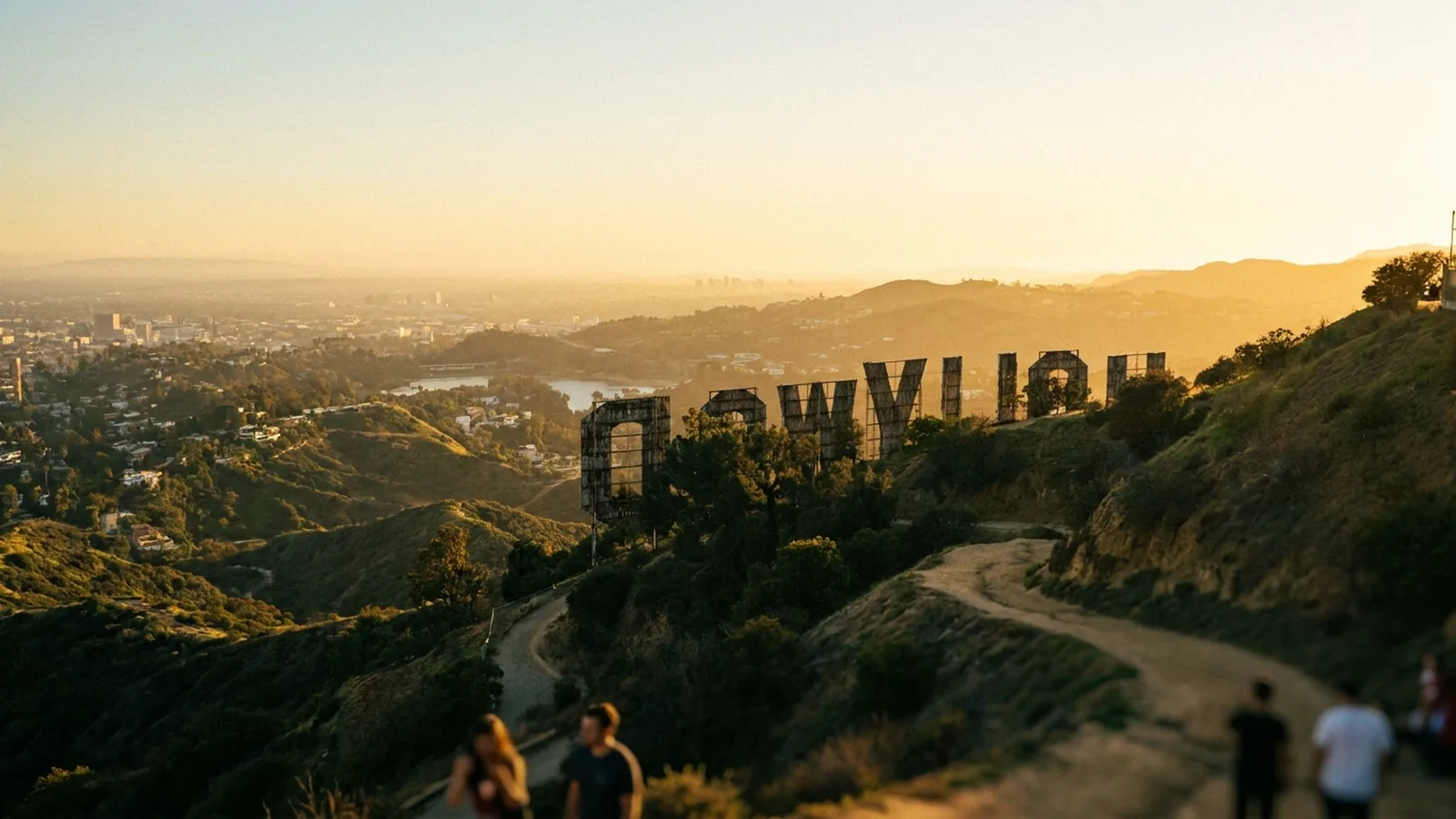
Iconic from many angles; the Lake Hollywood Park and Griffith Park trails offer clean lines. Morning light hits the letters face-on.
Read more →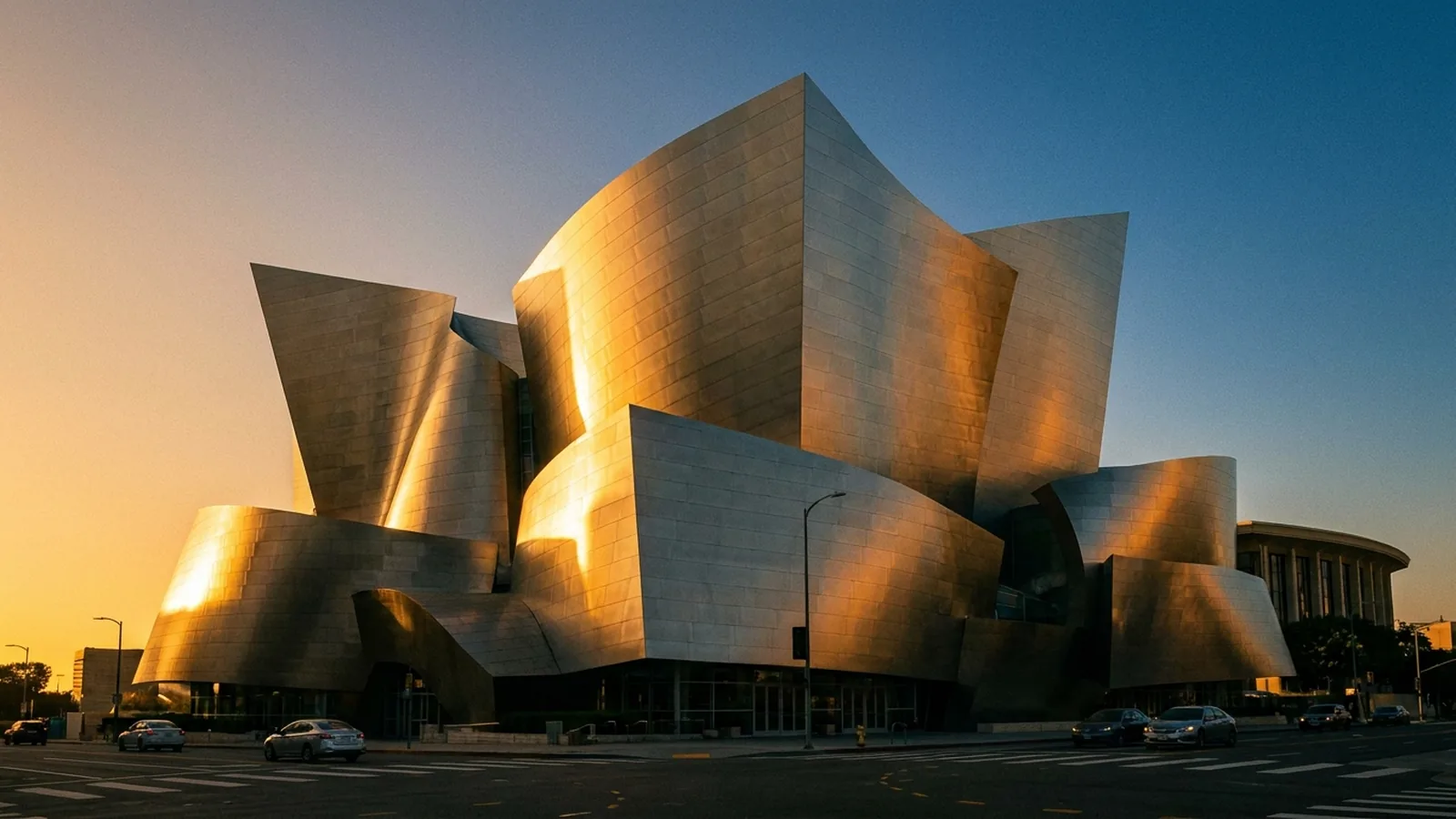
Gehry's stainless-steel curves are an abstract photographer's dream. Shoot the reflections and shapes in soft morning light to avoid harsh glare.
Read more →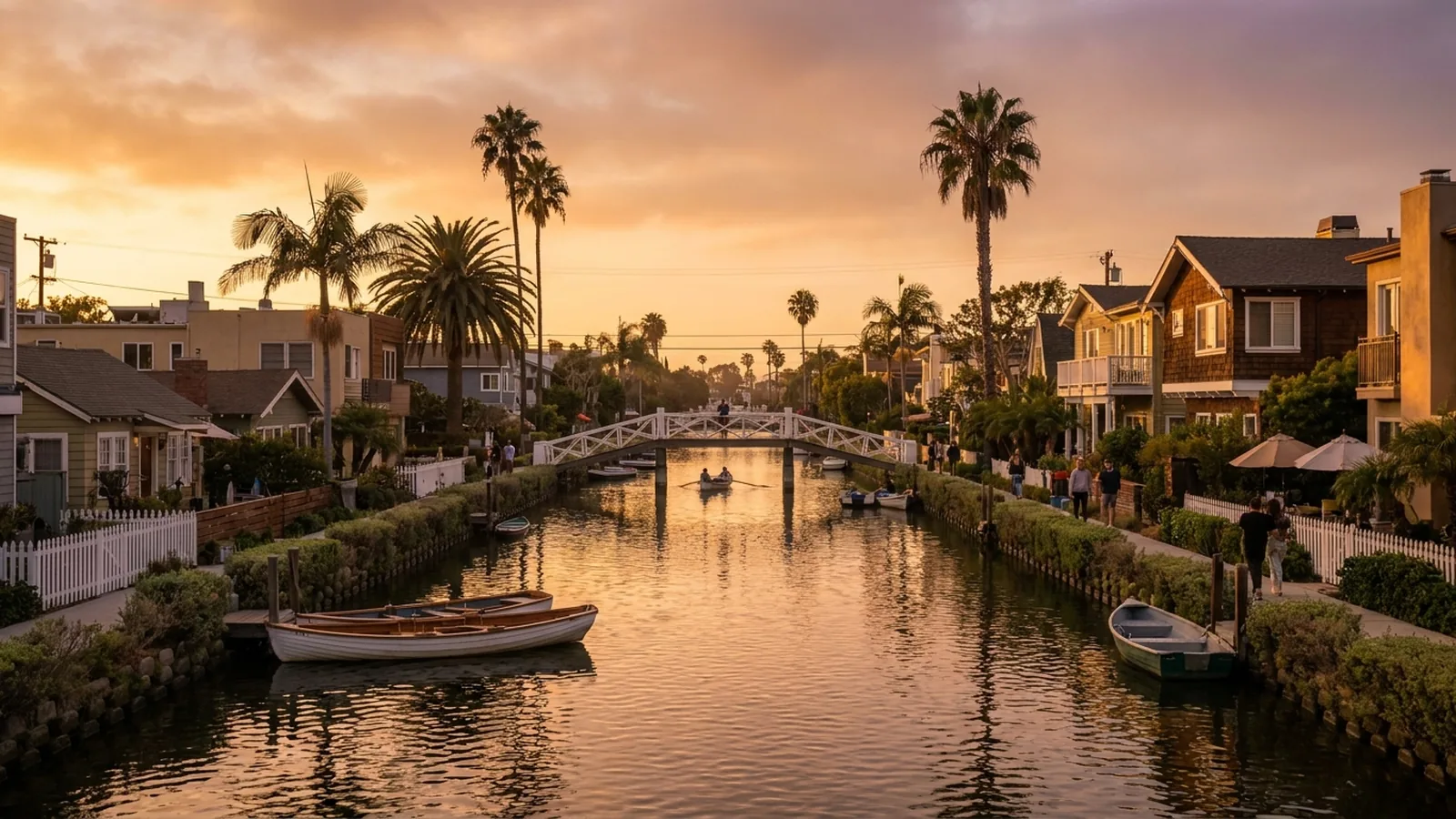
Footbridges, reflections, and waterfront cottages make for serene, story-rich frames. Early morning is quiet and softly lit.
Read more →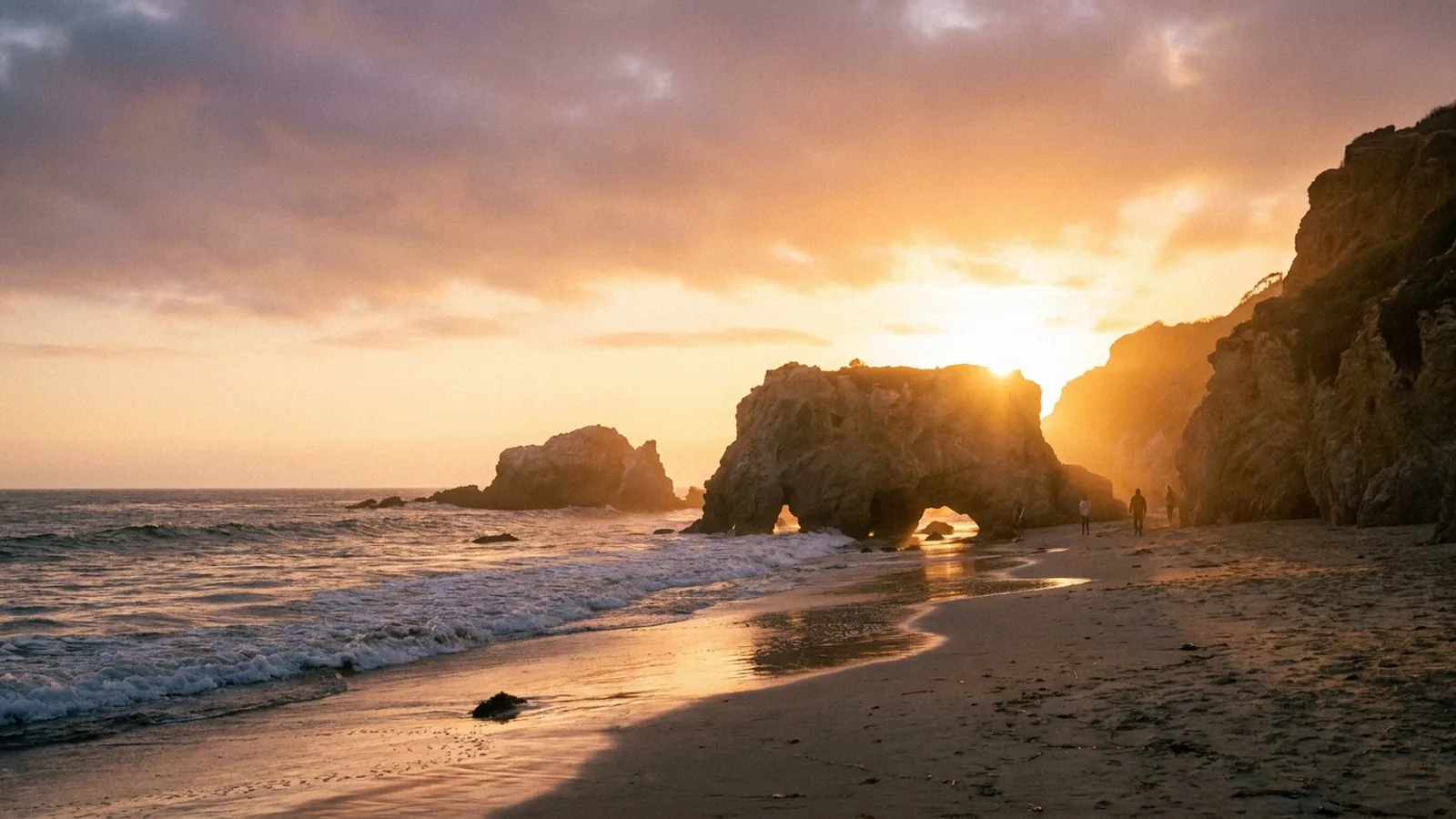
Sea caves, arches, and sea stacks that turn fiery at sunset, the most dramatic coastal photography in LA. Check tides for safe access.
Read more →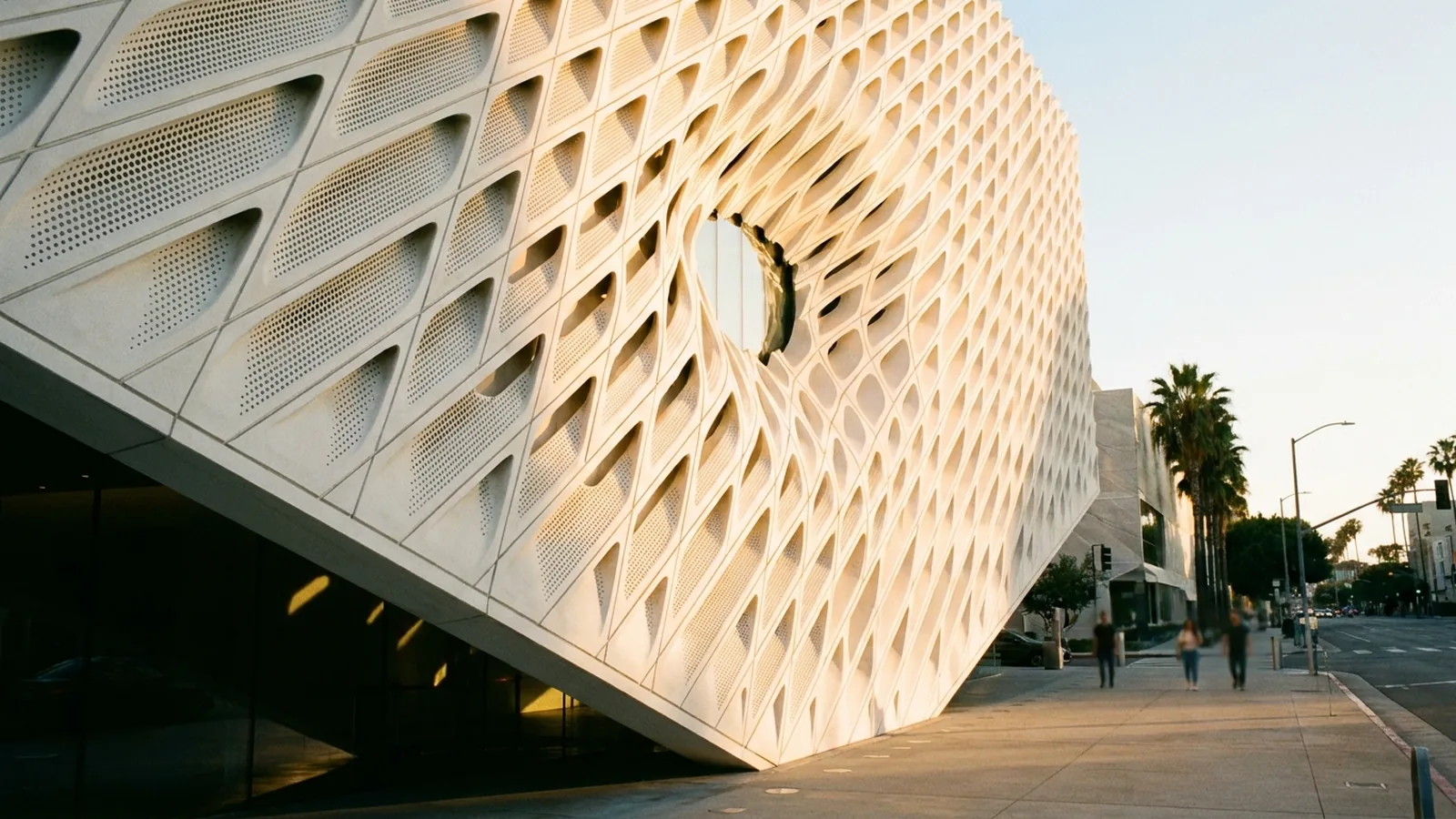
The honeycomb "veil" facade and the Infinity Mirror Rooms inside are both highly photogenic. Reserve timed tickets for the mirror rooms.
Read more →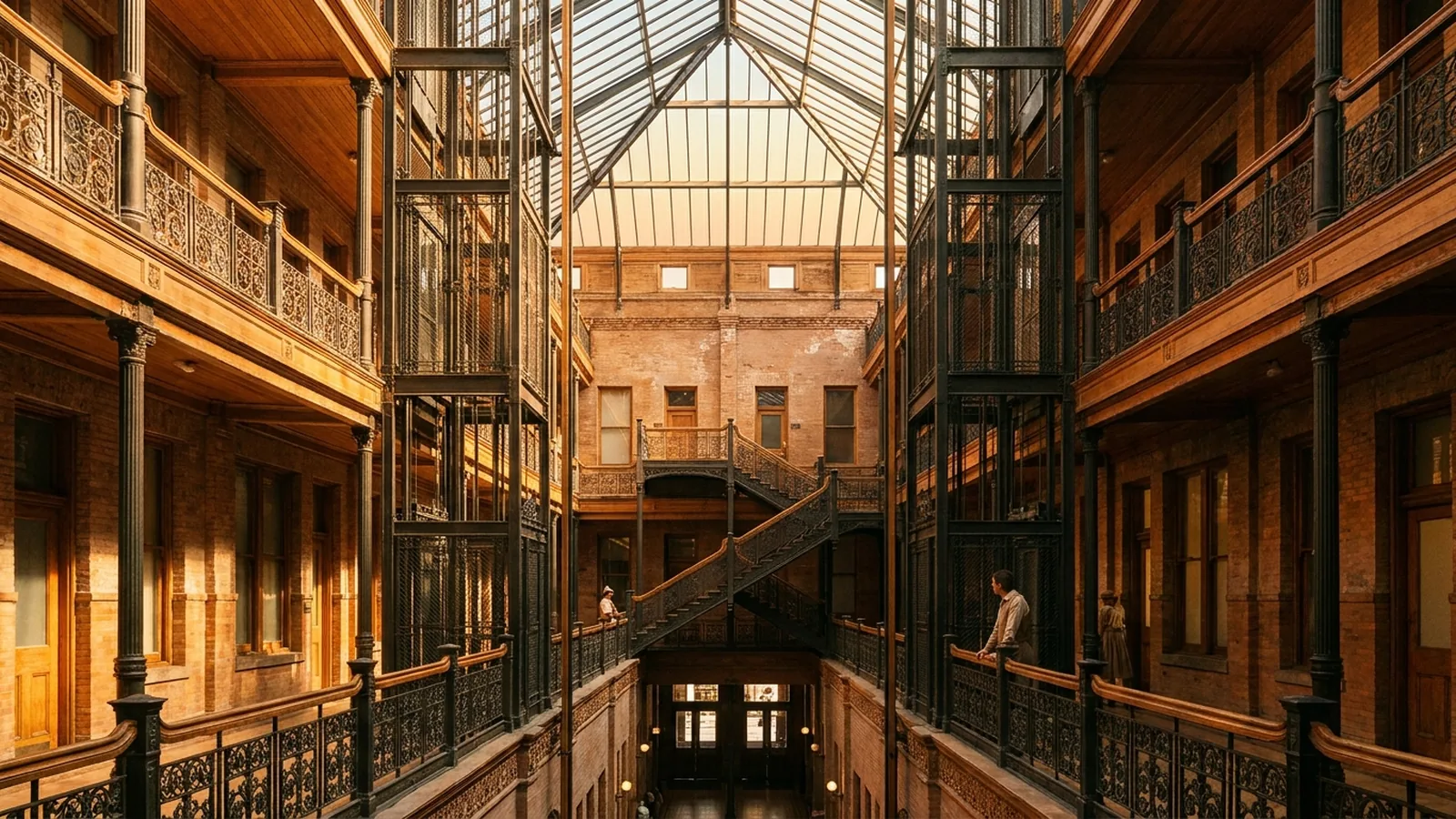
An 1893 Downtown landmark with a sunlit atrium of wrought iron and warm wood, a Blade Runner favorite. Public access is limited to the lobby.
Read more →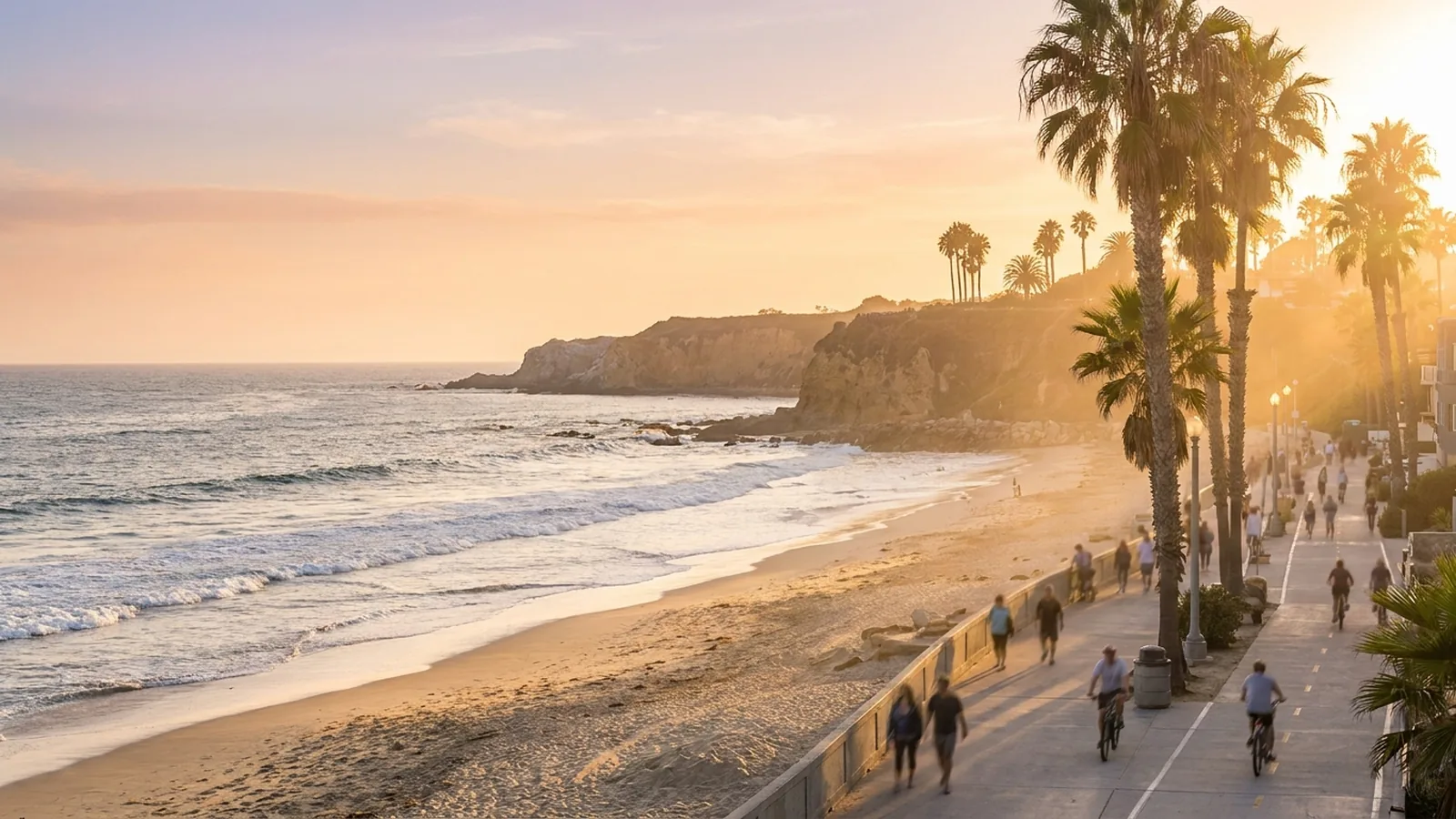
Murals, street performers, palm silhouettes, and skaters make for vivid street and golden-hour photography. Liveliest in the afternoon.
Read more →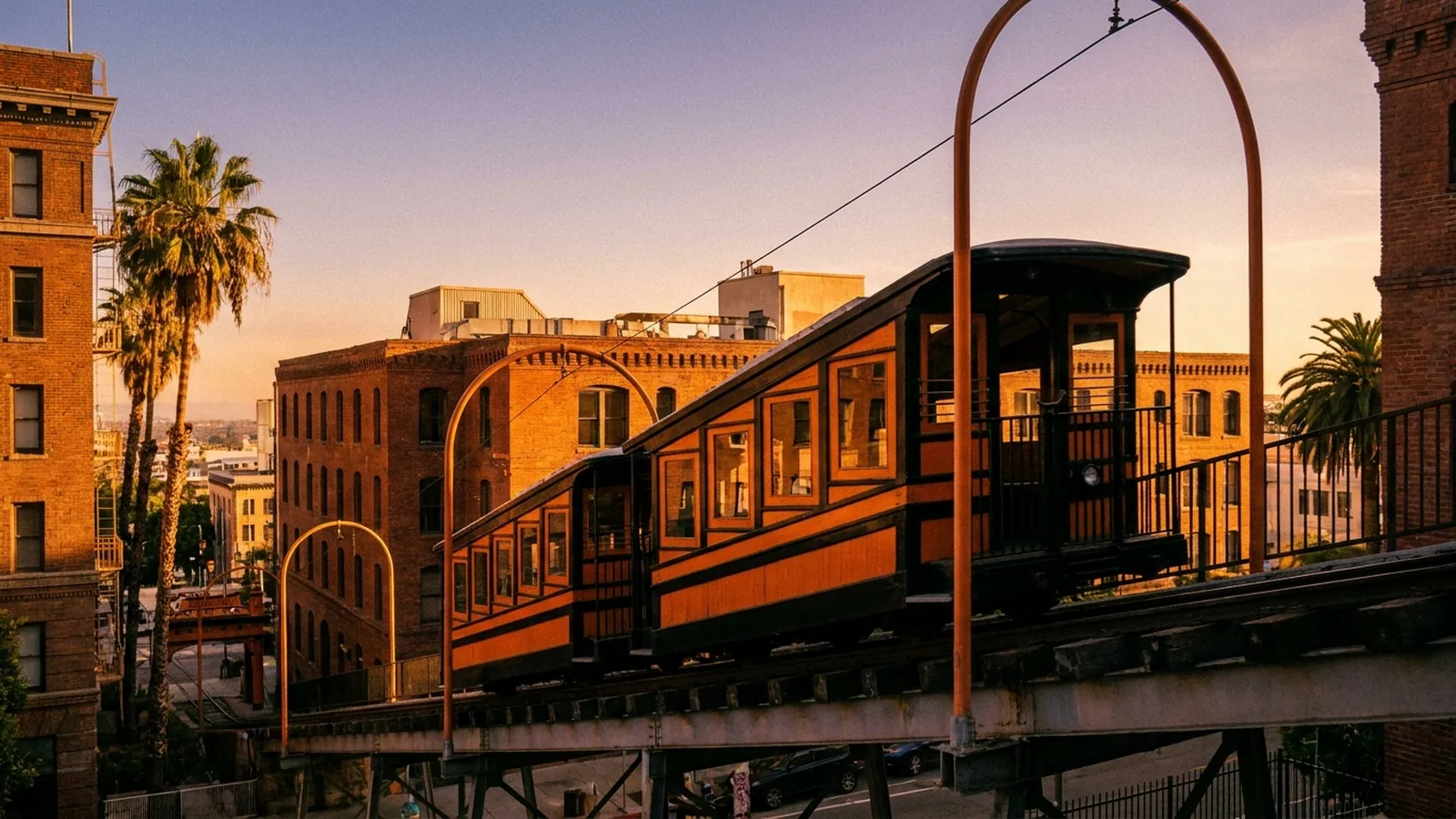
The little orange funicular and its vintage station are a Downtown classic. Frame the tracks rising toward the historic cars.
Read more →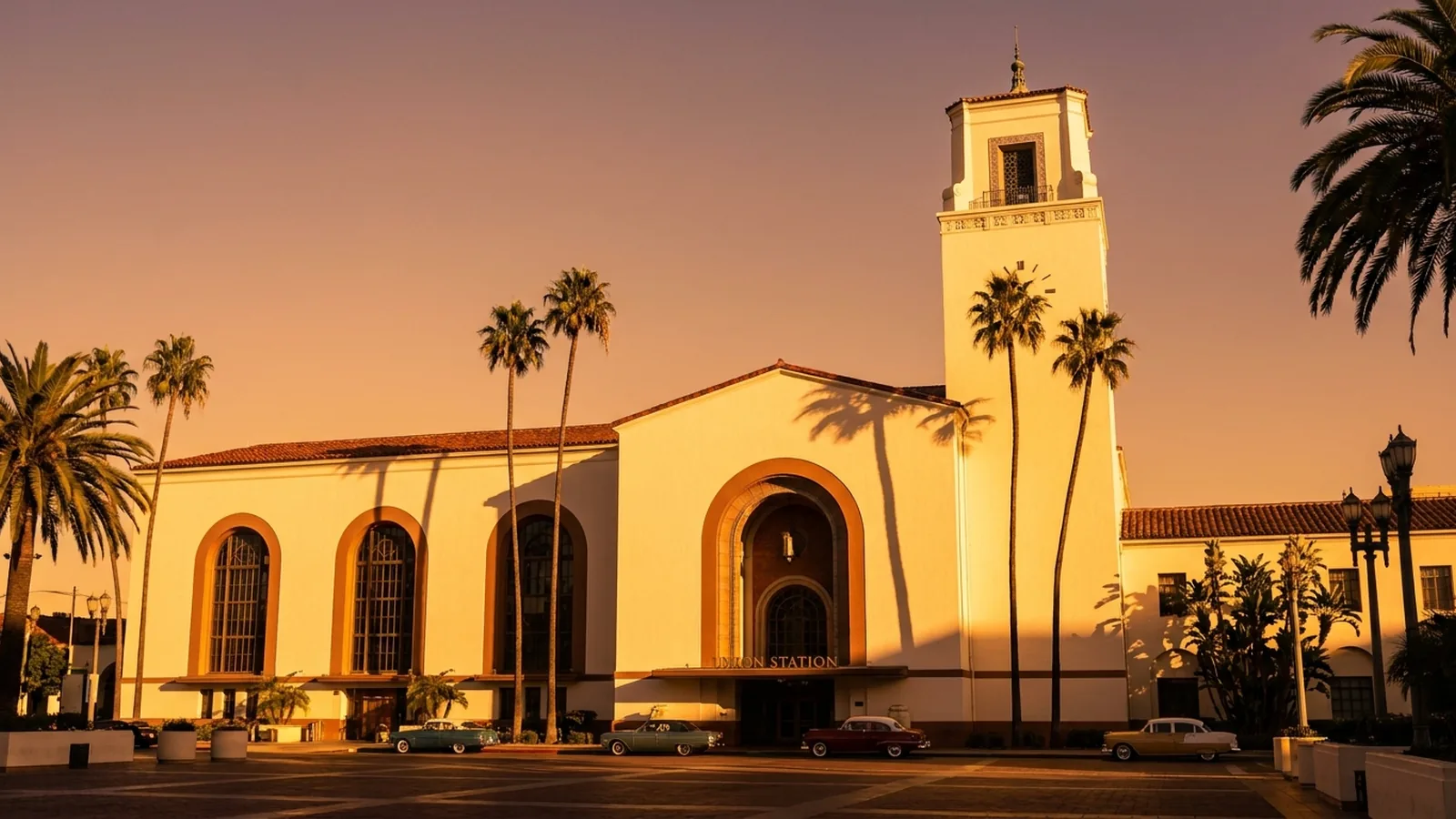
A 1939 Mission Moderne masterpiece with grand waiting halls and leather chairs bathed in light. A favorite for architectural and portrait work.
Read more →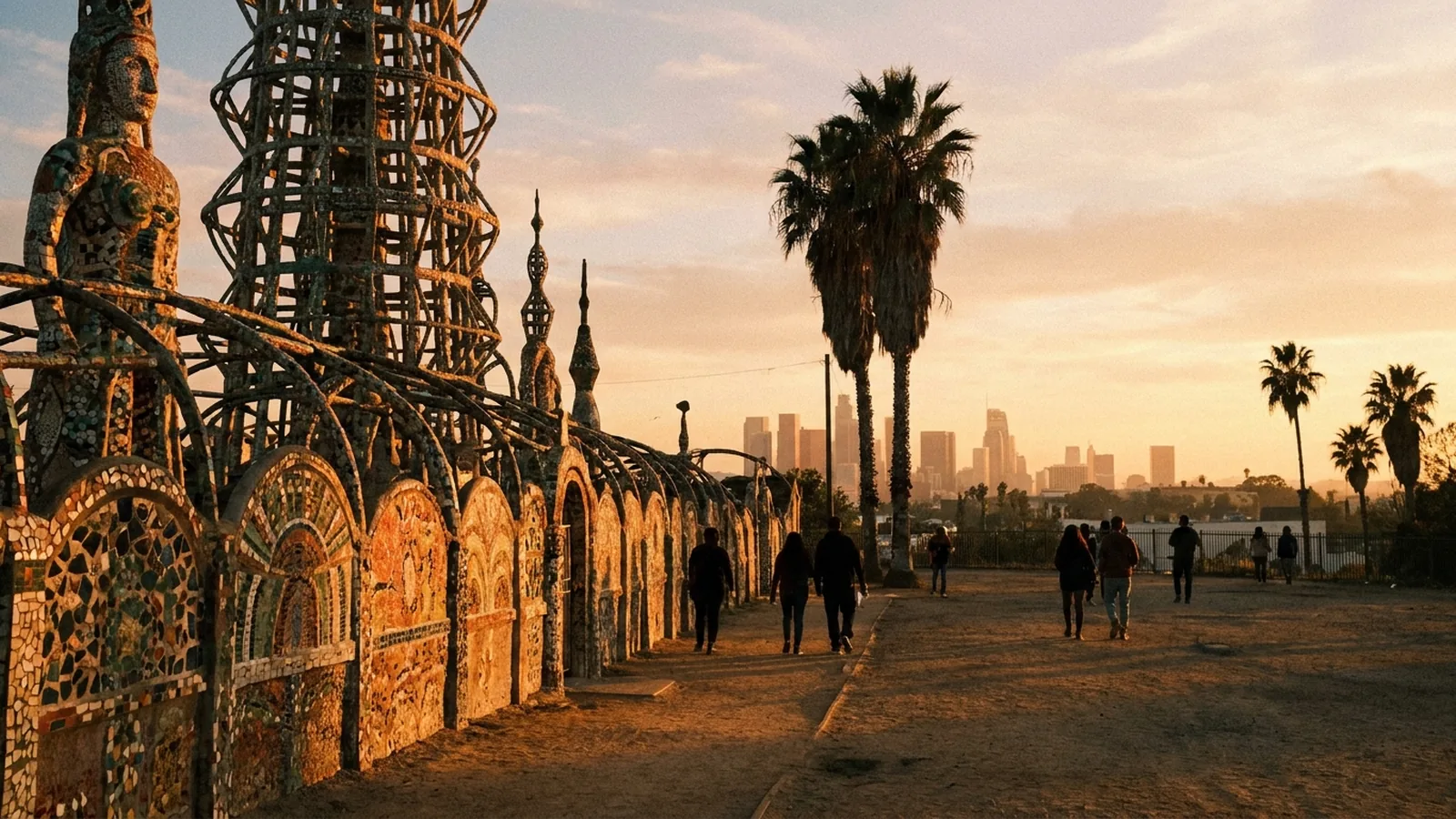
Simon Rodia's mosaic-encrusted folk-art spires are unlike anything else in the city. Visit during open hours for the best access and angles.
Read more →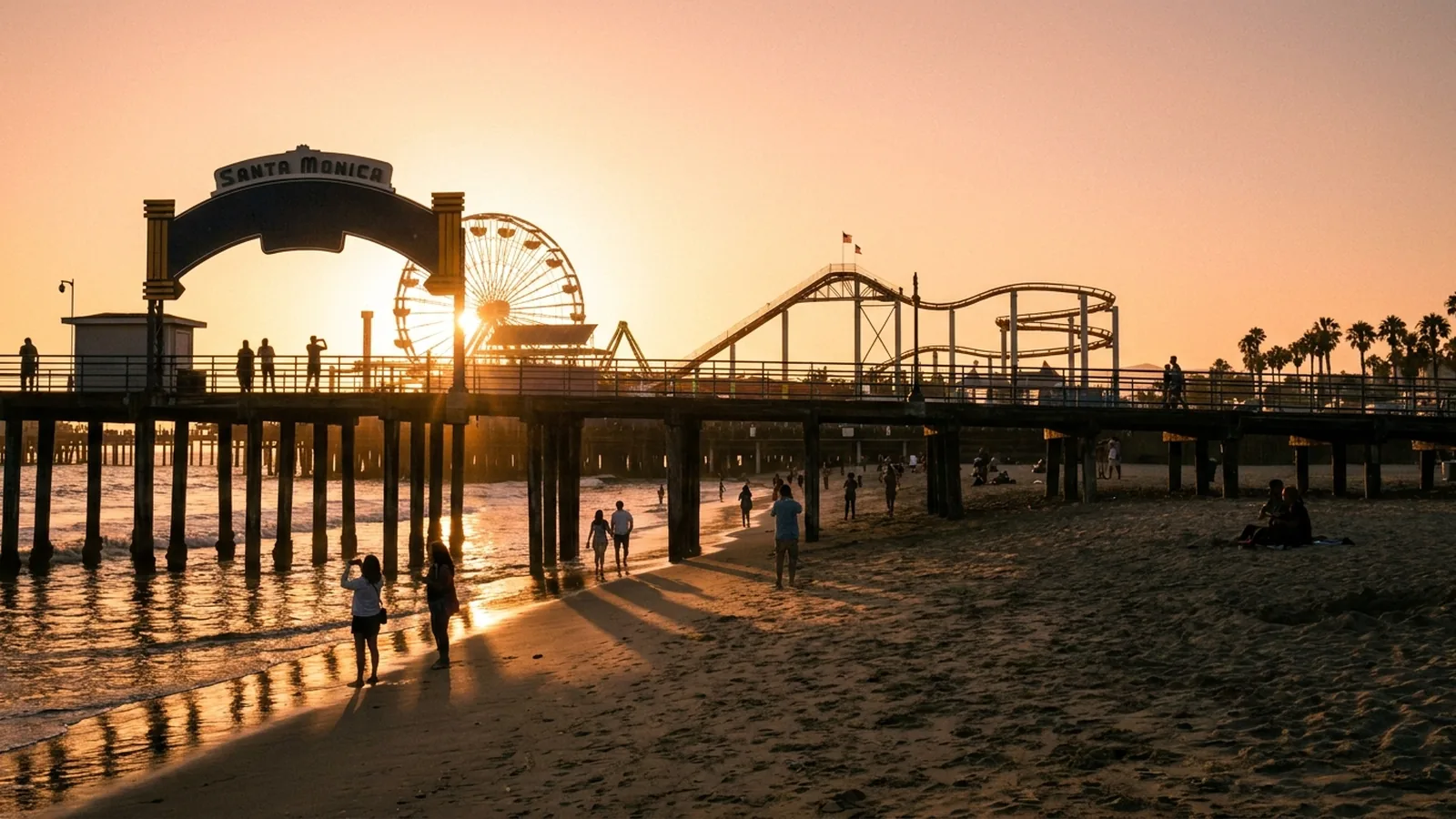
The Ferris wheel and "End of Route 66" sign are postcard staples; the lit-up wheel pops at blue hour. Wide-angle from the beach below works well.
Read more →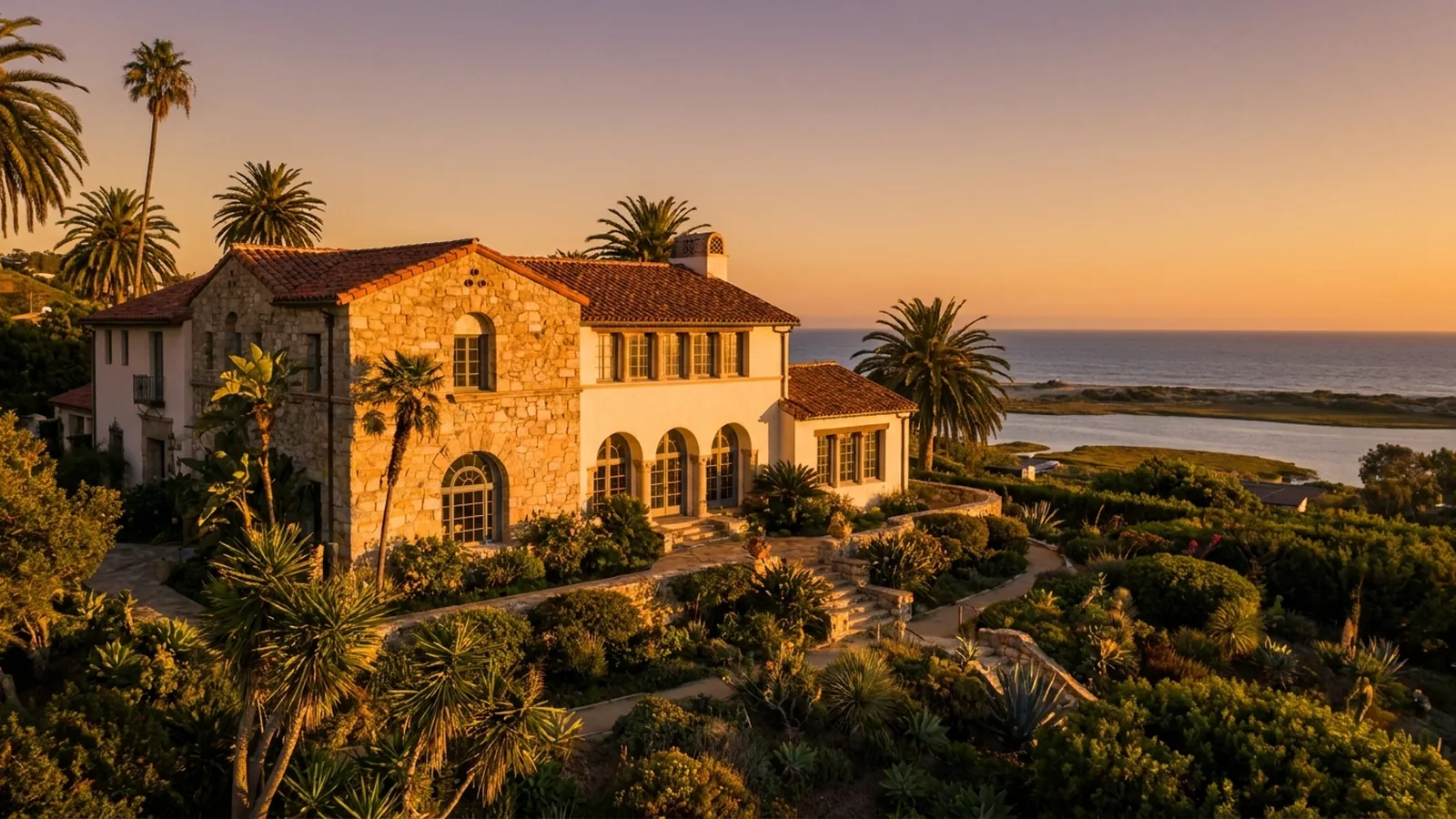
Perched above Surfrider Beach beside the Malibu Lagoon, the Adamson House is a 1929 Spanish Colonial Revival estate famous for its dazzling decorative tilework. The home and its gardens offer a window into Malibu's history and the legendary Malibu Potteries that once operated nearby.
Read more →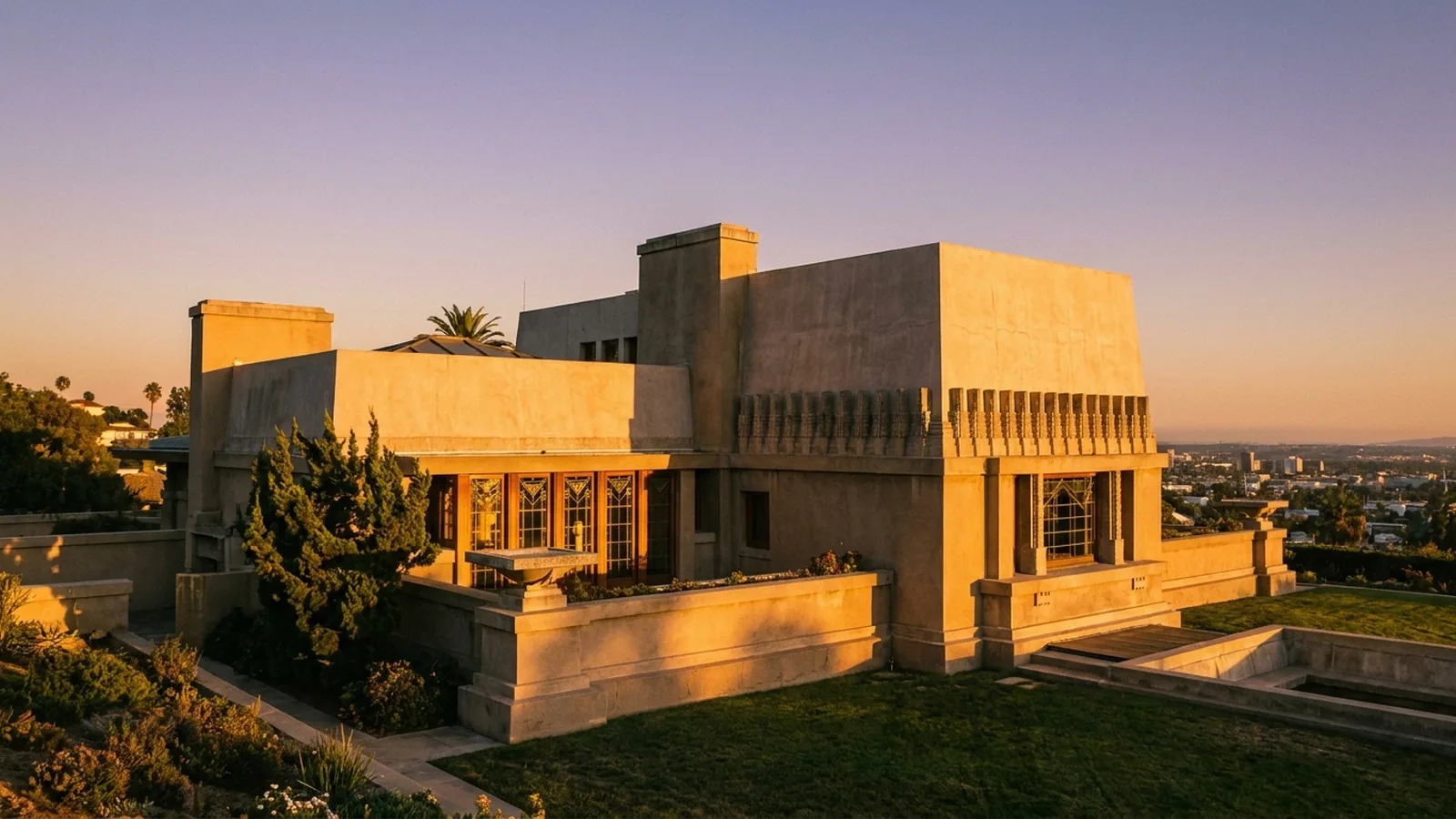
Hollyhock House is Frank Lloyd Wright's first Los Angeles commission and a UNESCO World Heritage Site, crowning Barnsdall Art Park in East Hollywood. Its bold, Mayan-influenced design and stylized hollyhock motif mark a pivotal moment in American architecture.
Read more →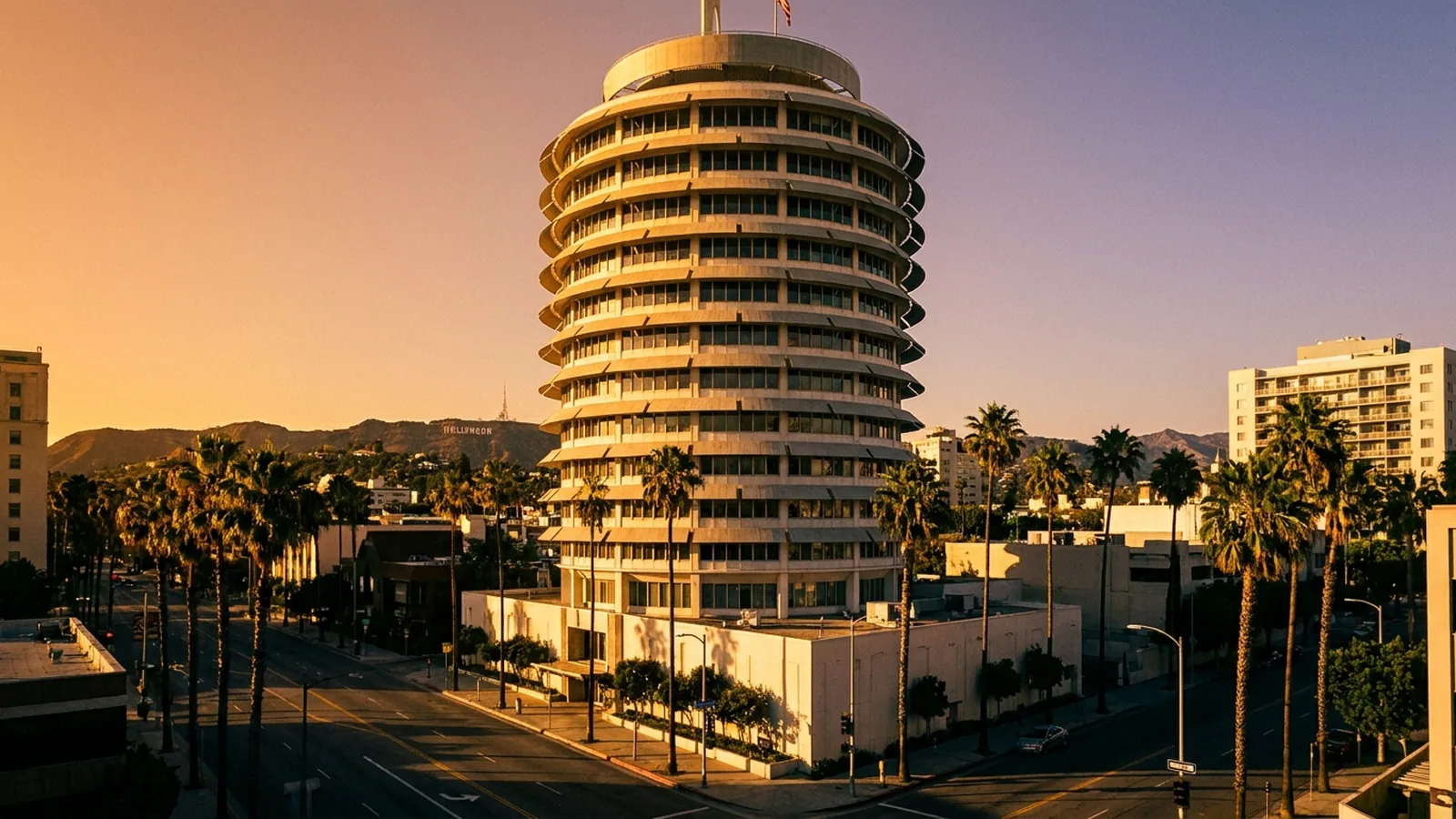
The Capitol Records Building is one of Hollywood's most recognizable landmarks, a circular 1956 tower designed to resemble a stack of records on a turntable. Topped by a blinking spire that spells 'Hollywood' in Morse code, it remains a working hub of the music industry.
Read more →The picks in this guide that have a map location.
Map pins are approximate and for visitor planning only — they may not mark the exact entrance or parking. Please check official directions before visiting.
Want this turned into a day-by-day plan?
Our free AI LA Travel Planner builds a personalized itinerary in seconds.
Lake Hollywood Park offers an unobstructed, classic view with foreground, while trails in Griffith Park (such as toward the Mount Lee summit) get you closer and higher. Morning light hits the letters directly. The Griffith Observatory grounds also frame the sign nicely with a long lens.
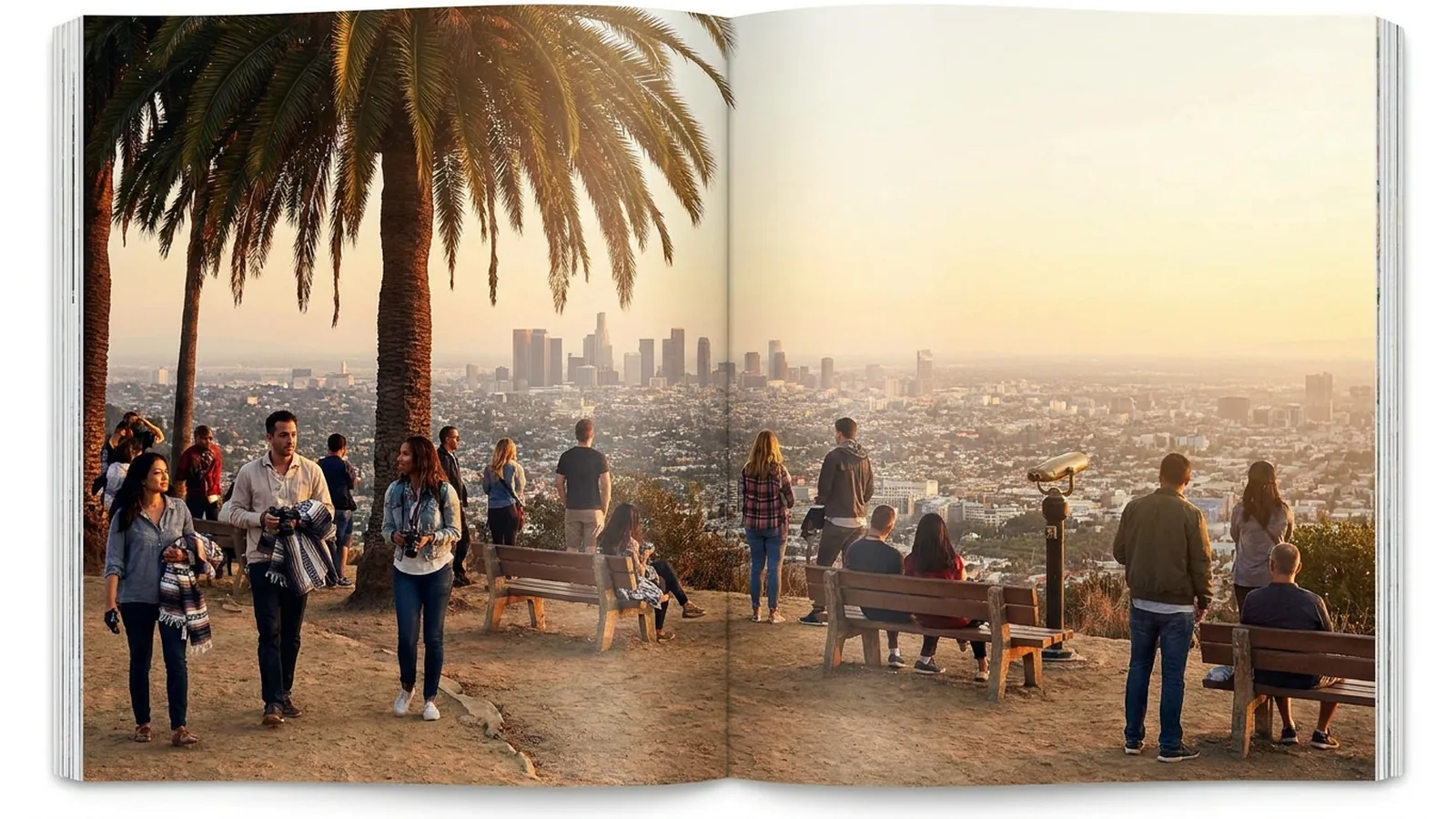
Golden hour around sunrise and sunset gives warm, directional light, and blue hour just after sunset is ideal for city skylines and lit landmarks like Griffith Observatory and the Santa Monica Pier. Midday light is bright and contrasty, which suits beaches and bold colors but flatters architecture less.
Plenty. Griffith Observatory, the Venice Canals, Venice Beach Boardwalk, Malibu's El Matador beach, and Union Station are all free to photograph. The Getty Center and The Broad have free admission too, though some interiors require timed reservations.
 Photography
Where to be when the LA sky turns gold and pink, from the Griffith Observatory terraces to Malibu's sea-cave coves.
 Free
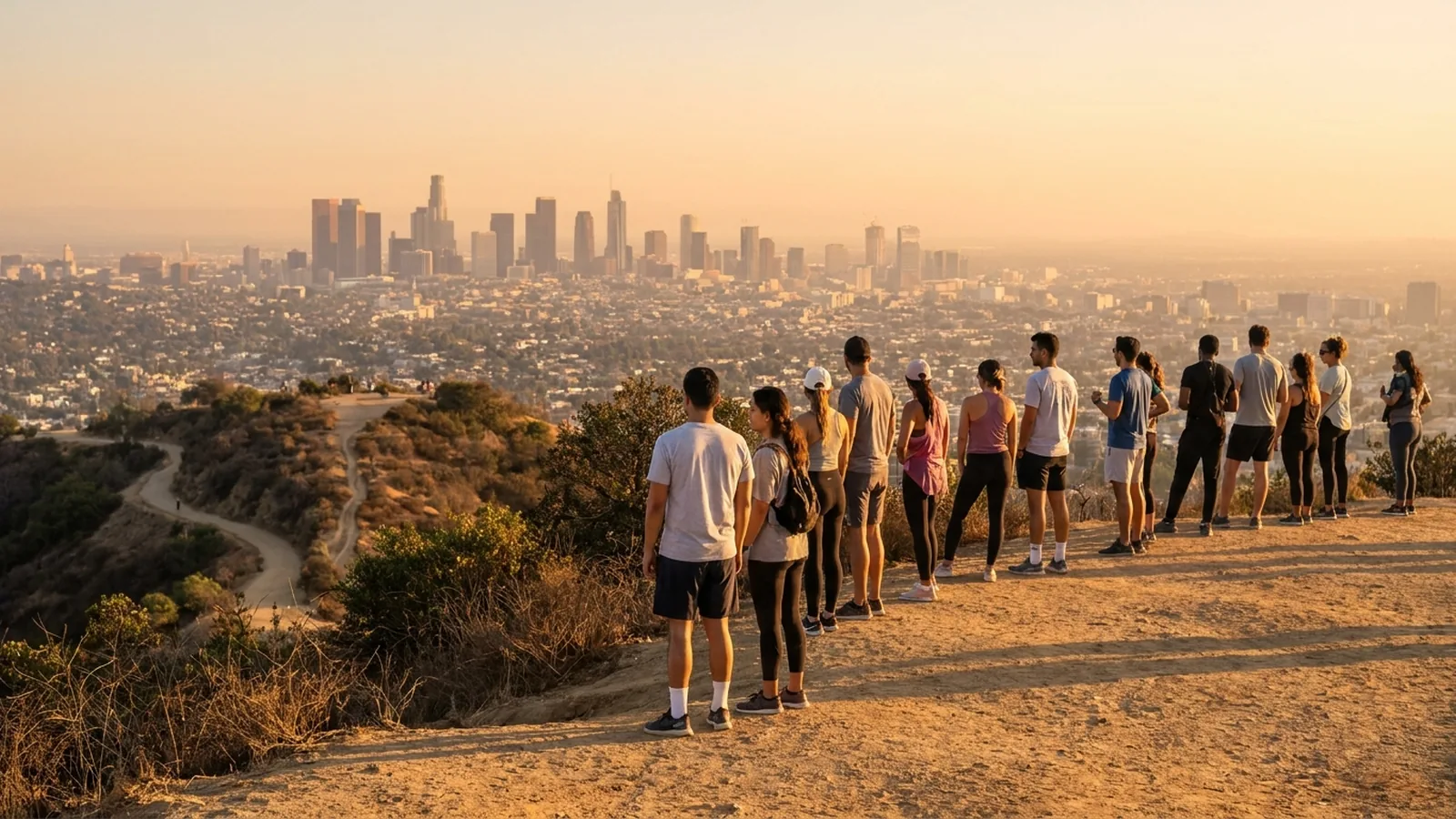
FreeLA can be expensive, but some of its greatest experiences, from the Getty to the beaches, cost nothing at all.
 Hidden Gems
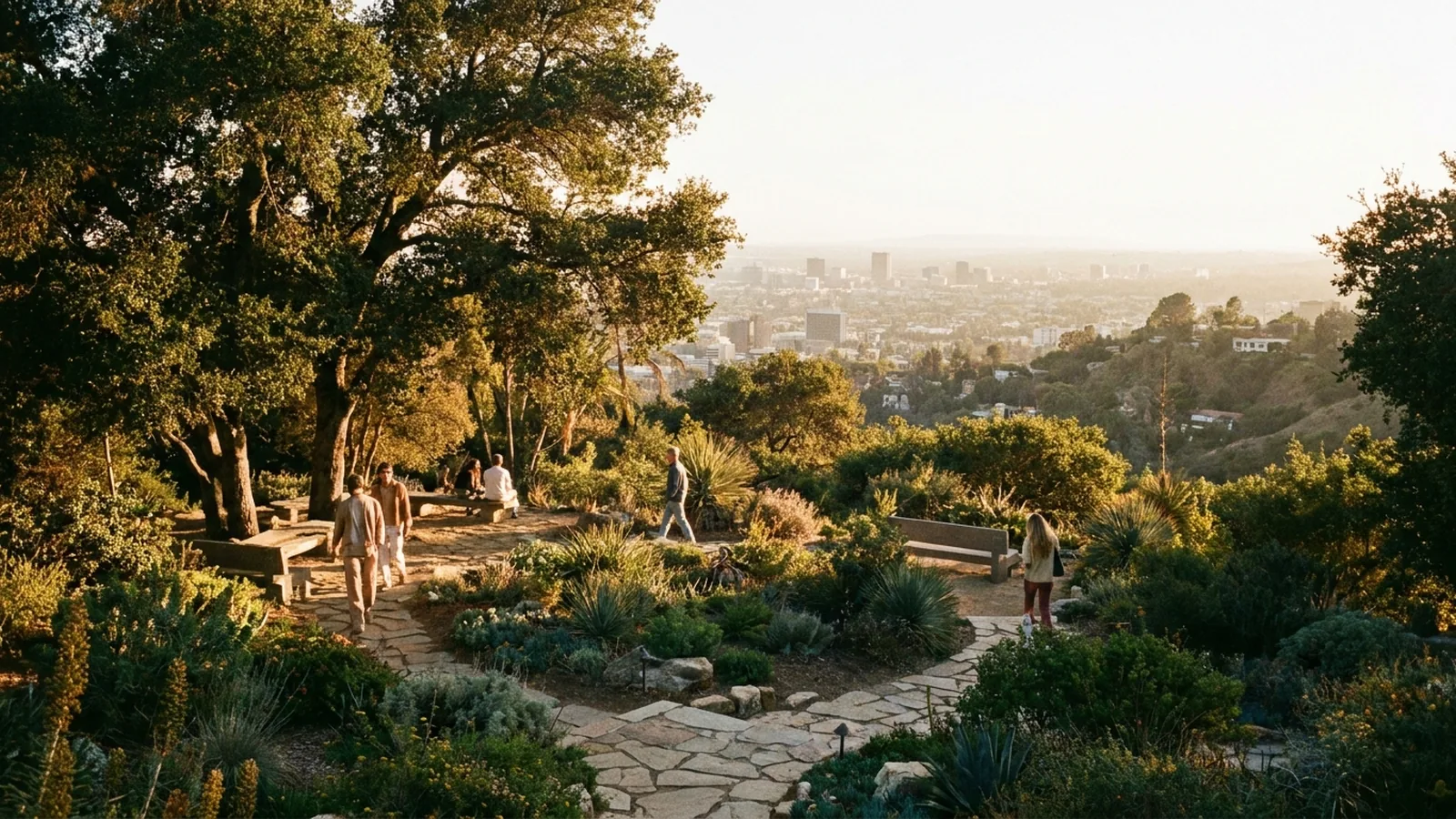
The quieter corners, folk-art landmarks, and local-favorite spots that most visitors drive right past.