Why visit
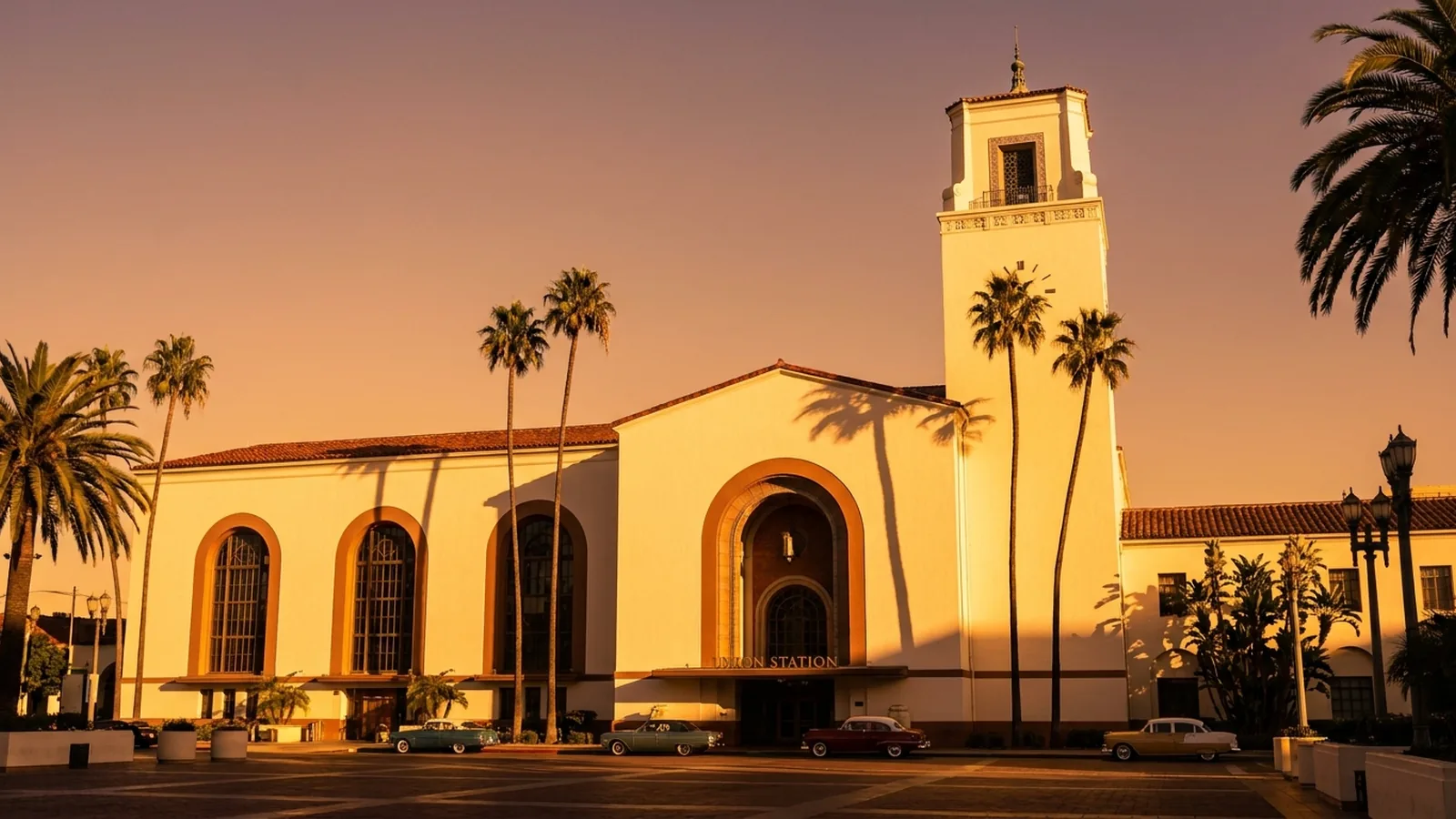
Union Station is a free, awe-inspiring window into Los Angeles's golden age of travel, with architecture grand enough to stop you in your tracks the moment you enter. It is also exceptionally practical, doubling as the city's central transit hub, and its photogenic halls and gardens make it a rewarding stop whether you are passing through or visiting on purpose.
Union Station is one of downtown Los Angeles's most beautiful public spaces, a place where travelers and admirers alike can pause beneath towering ceilings and walk across acres of patterned floors. Its cavernous waiting hall, leather seating, wrought-iron details, and richly tiled accents capture the romance of mid-century train travel, while light pours in through tall arched windows. Tranquil garden courtyards offer shaded escapes just steps from the bustle of the concourse.
Still very much a living transportation center, the station serves Metro Rail, Amtrak, and Metrolink trains, so visitors share the space with everyday commuters. That blend of function and grandeur is part of its charm, and it has made Union Station a perennial backdrop for films, photo shoots, and special events. Even if you are not catching a train, it rewards a slow, camera-in-hand wander.
History
Union Station opened in 1939, consolidating the passenger operations of several competing railroads into a single grand terminal and arriving near the tail end of America's great railway-building era. Designed in a Spanish Colonial Revival and Mission style with Art Deco and Streamline Moderne touches, it has been celebrated ever since as one of the country's last monumental train stations and is widely recognized as a Los Angeles architectural landmark.
Insider Tips
- ✦Pair your visit with historic Olvera Street directly across Alameda Street.
- ✦Explore the often-overlooked garden patios for a peaceful break.
- ✦Visit on a weekday for the best light and fewer crowds.
Photo Tips
- 📸Capture the main waiting hall's high beamed ceiling and arched windows for grand symmetry.
- 📸Shoot the garden courtyards for a quieter, greener contrast to the concourse.
- 📸Look down at the patterned floor tiles and up at the chandeliers for striking detail shots.
Before You Go
- ✓Consider arriving via Metro Rail, since the station is a major transit hub with easy connections.
- ✓Be respectful of working travelers and platforms when photographing the space.
- ✓Check ahead for any special events or filming that may limit access to parts of the station.
Visiting with family
Kids love watching the trains and exploring the vast halls and gardens, making it an easy, low-cost outing. Hold hands in busy areas and keep an eye on platforms during peak commute times.
Where to Eat Nearby
Want this turned into a day-by-day plan?
Tell our free AI planner you want to visit Union Station and it will build the rest of your day around it.
Union Station FAQ
When was Union Station built?
Los Angeles Union Station opened in 1939, blending Spanish Colonial Revival and Mission styles with Art Deco and Streamline Moderne details. It is often called one of America's last great train stations.
Can you visit Union Station without a train ticket?
Yes. The station is free to enter and explore, and many visitors come just to see the architecture, gardens, and waiting hall. You only pay if you board a train.
Is Union Station still a working train station?
Yes, it remains a busy active hub serving Metro Rail, Amtrak, and Metrolink. Visitors share the space with everyday commuters and travelers.
Nearby Neighborhoods
More Architecture in LA
 Architecture
Walt Disney Concert Hall
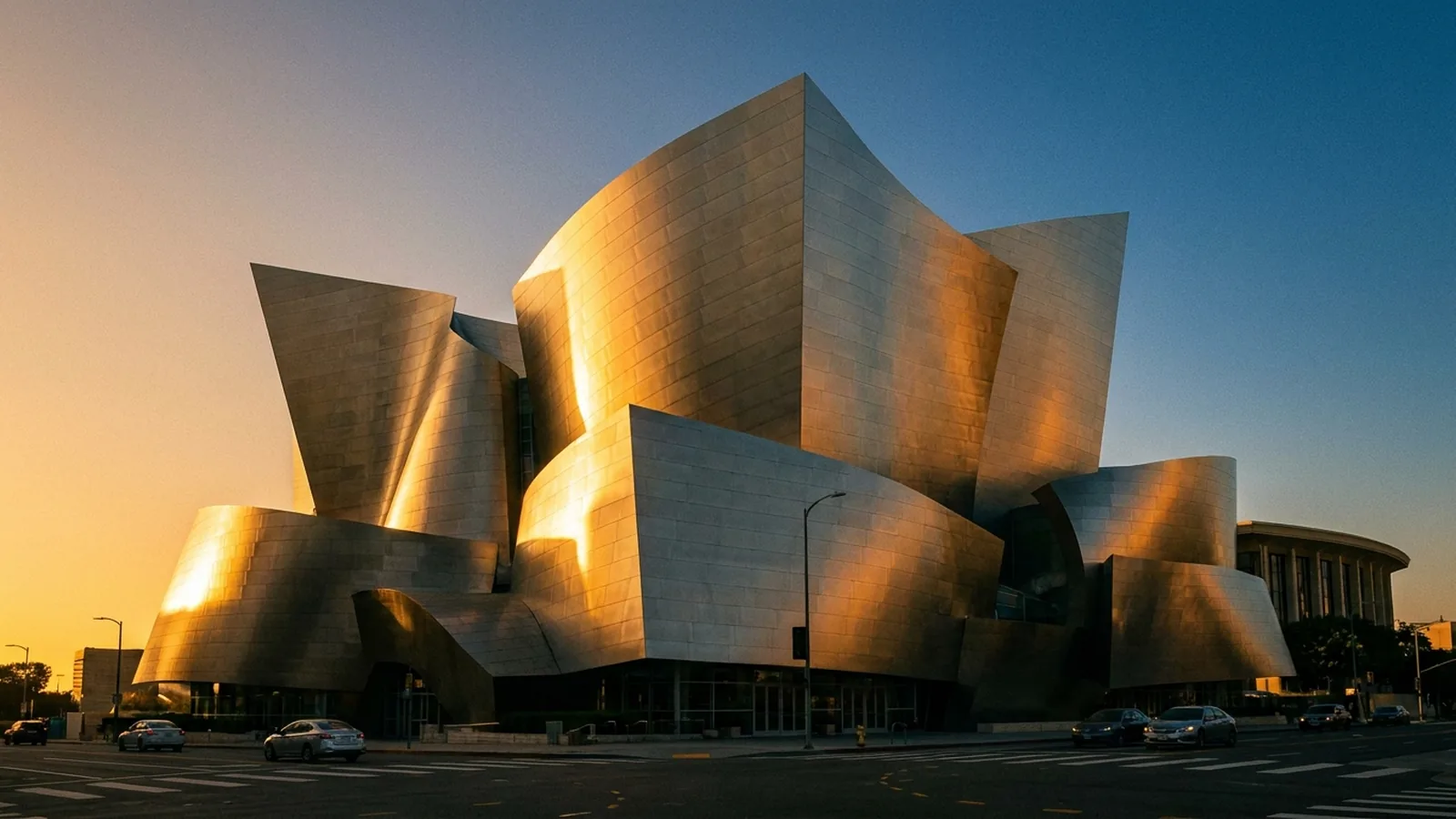
The Walt Disney Concert Hall is Frank Gehry's gleaming stainless-steel masterpiece in Downtown LA and the home of the Los Angeles Philharmonic. Its billowing metal curves and acclaimed acoustics make it both a global architectural icon and a premier concert venue.
 Architecture
Bradbury Building
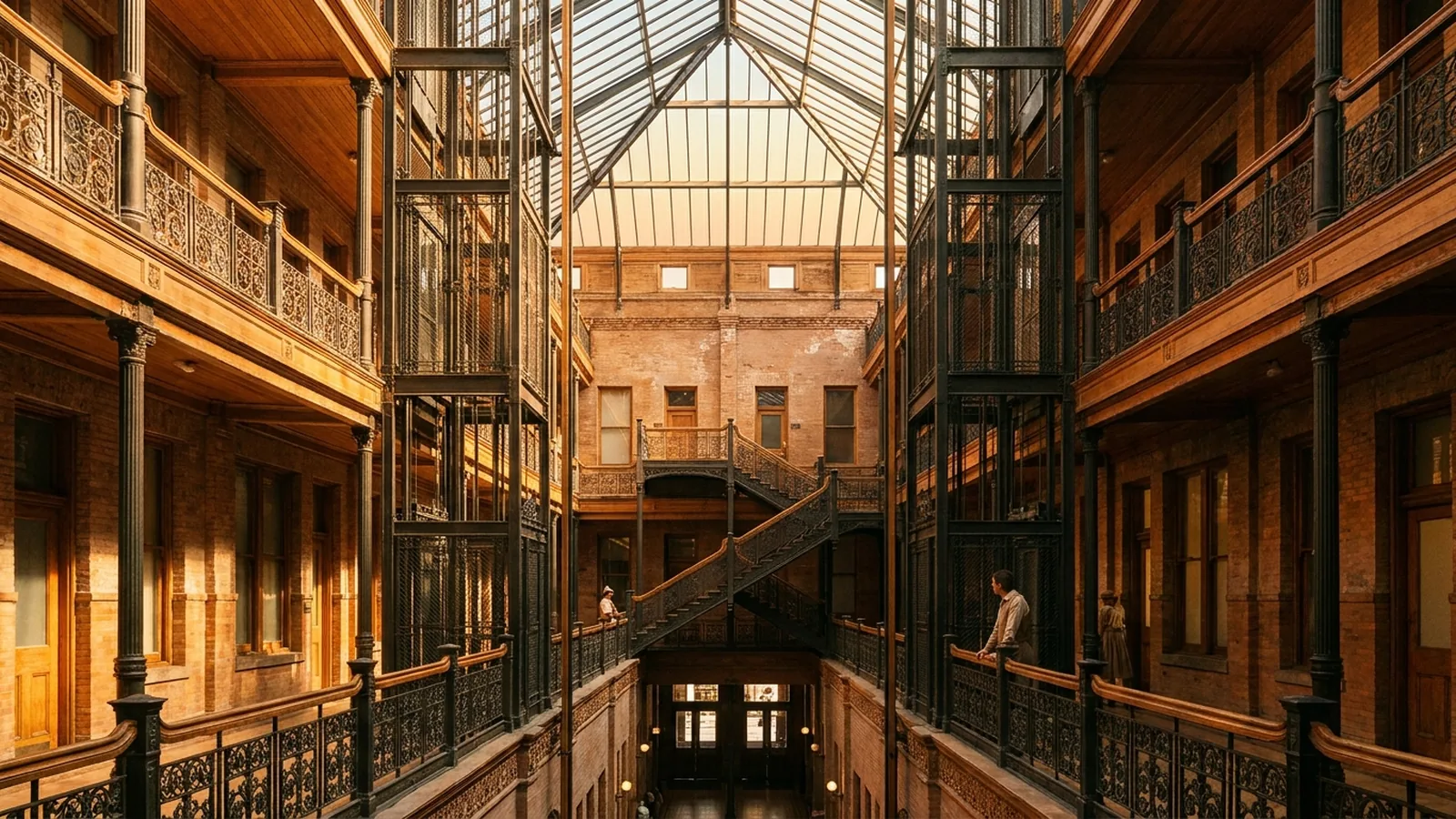
An 1893 downtown landmark with a breathtaking sunlit atrium of ornate ironwork, marble stairs, and open-cage elevators. Its luminous interior is famous from films like Blade Runner and ranks among LA's architectural treasures.
 Architecture
Adamson House Museum
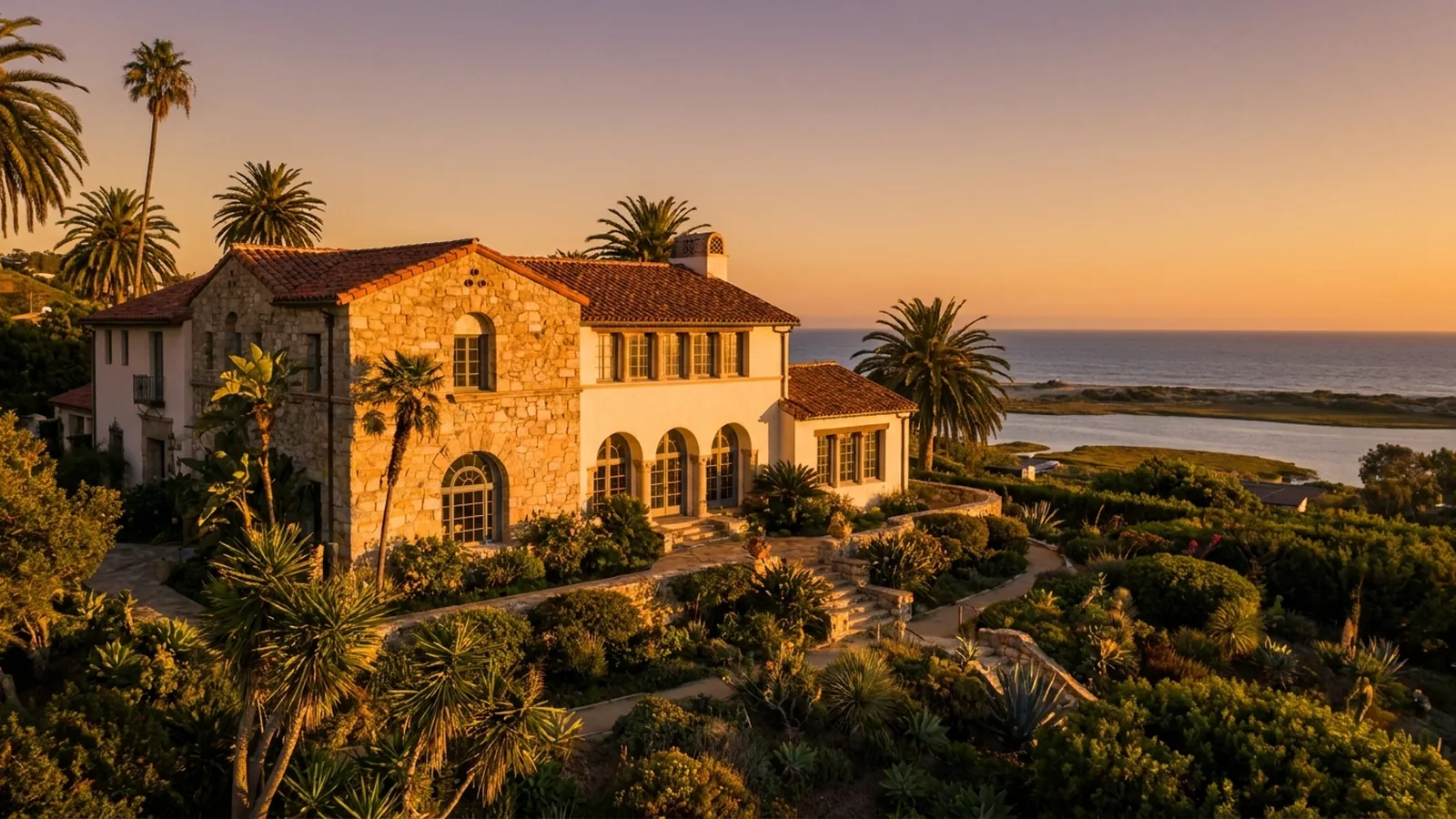
Perched above Surfrider Beach beside the Malibu Lagoon, the Adamson House is a 1929 Spanish Colonial Revival estate famous for its dazzling decorative tilework. The home and its gardens offer a window into Malibu's history and the legendary Malibu Potteries that once operated nearby.
 Architecture
Hollyhock House
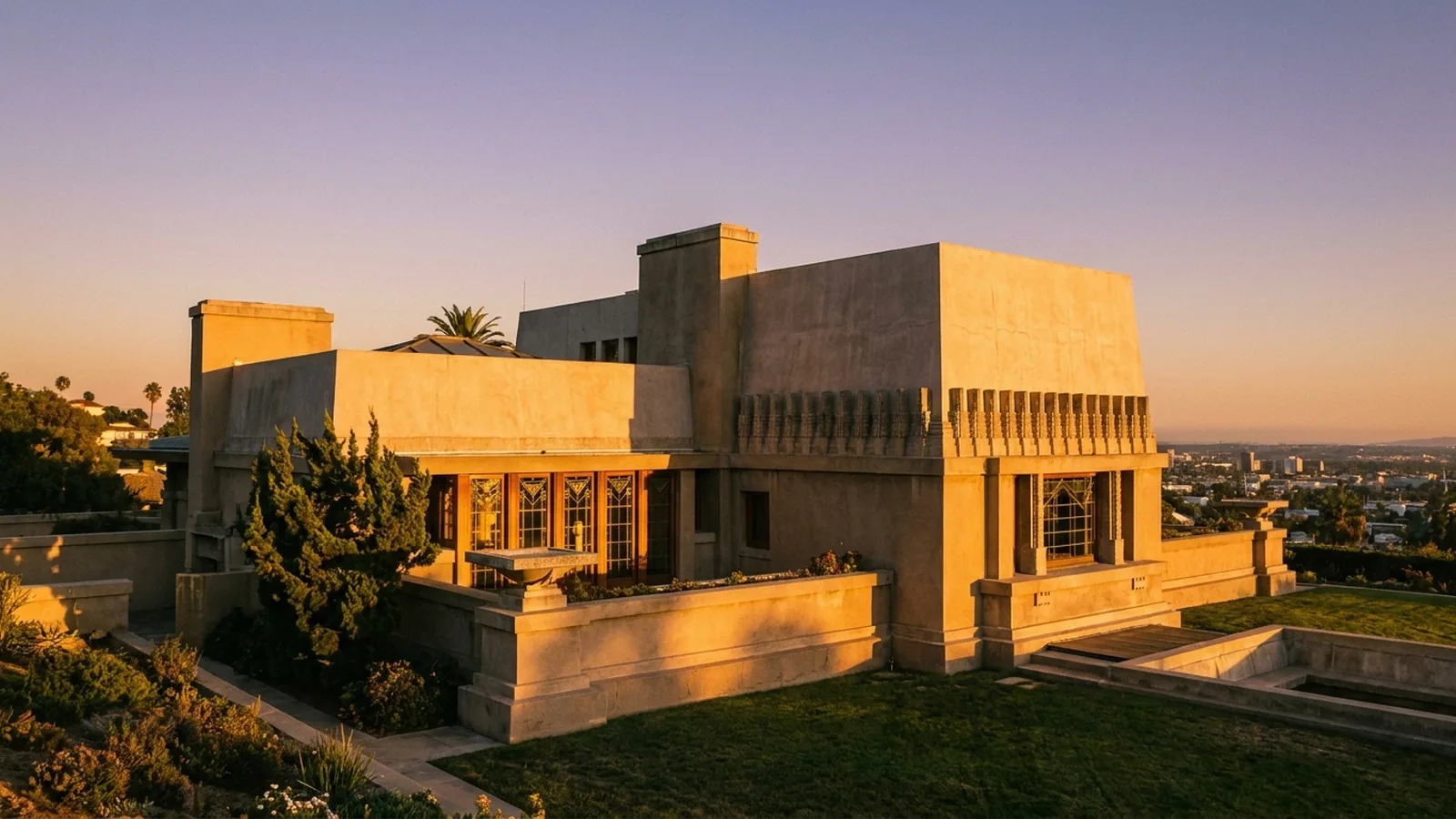
Hollyhock House is Frank Lloyd Wright's first Los Angeles commission and a UNESCO World Heritage Site, crowning Barnsdall Art Park in East Hollywood. Its bold, Mayan-influenced design and stylized hollyhock motif mark a pivotal moment in American architecture.
Helpful Guides
 Photography
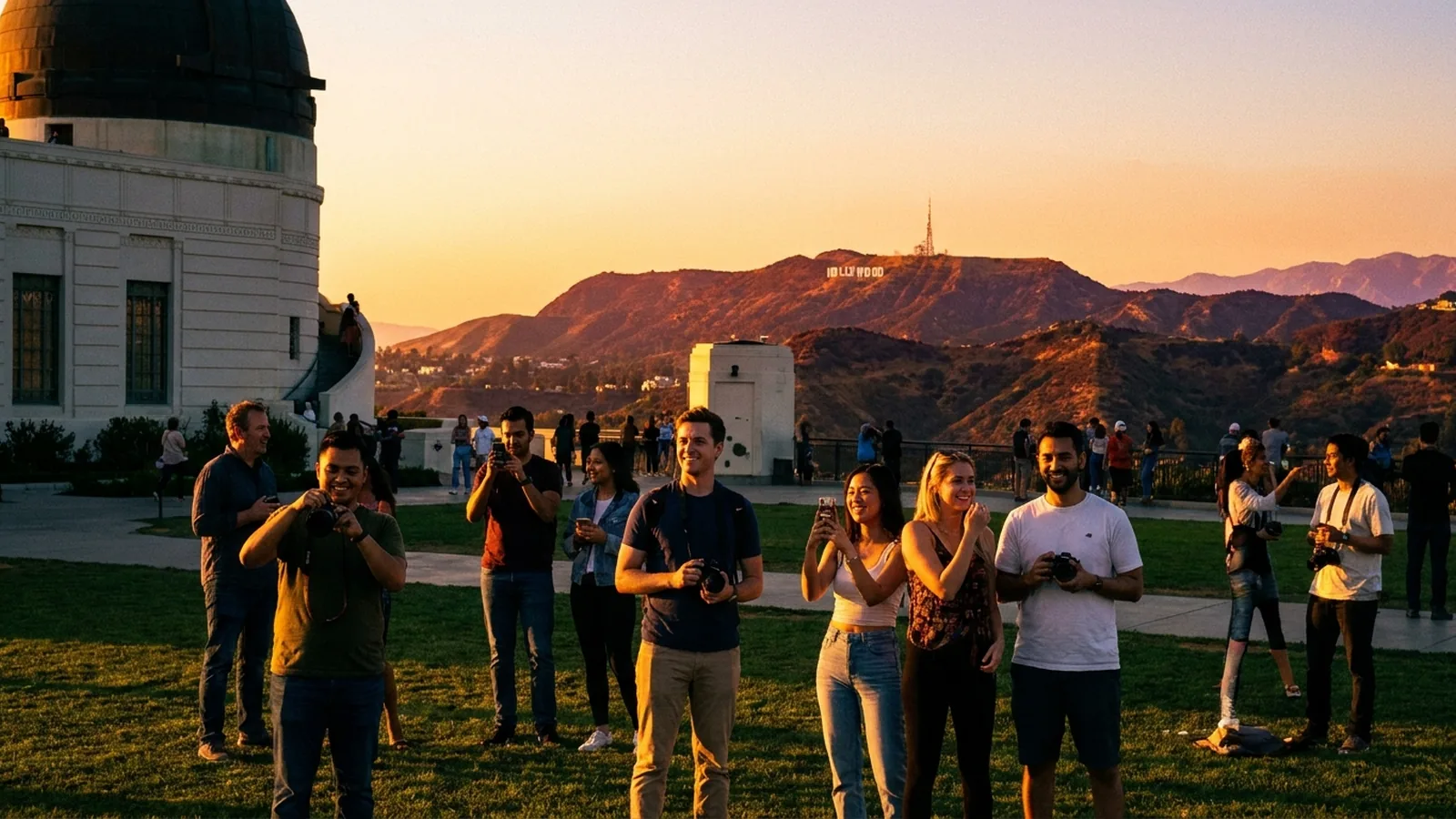
The Best Photo Spots in Los Angeles
Iconic skylines, architectural icons, sea caves, and color-soaked streets, plus when to shoot them for the best light.
 Hidden Gems
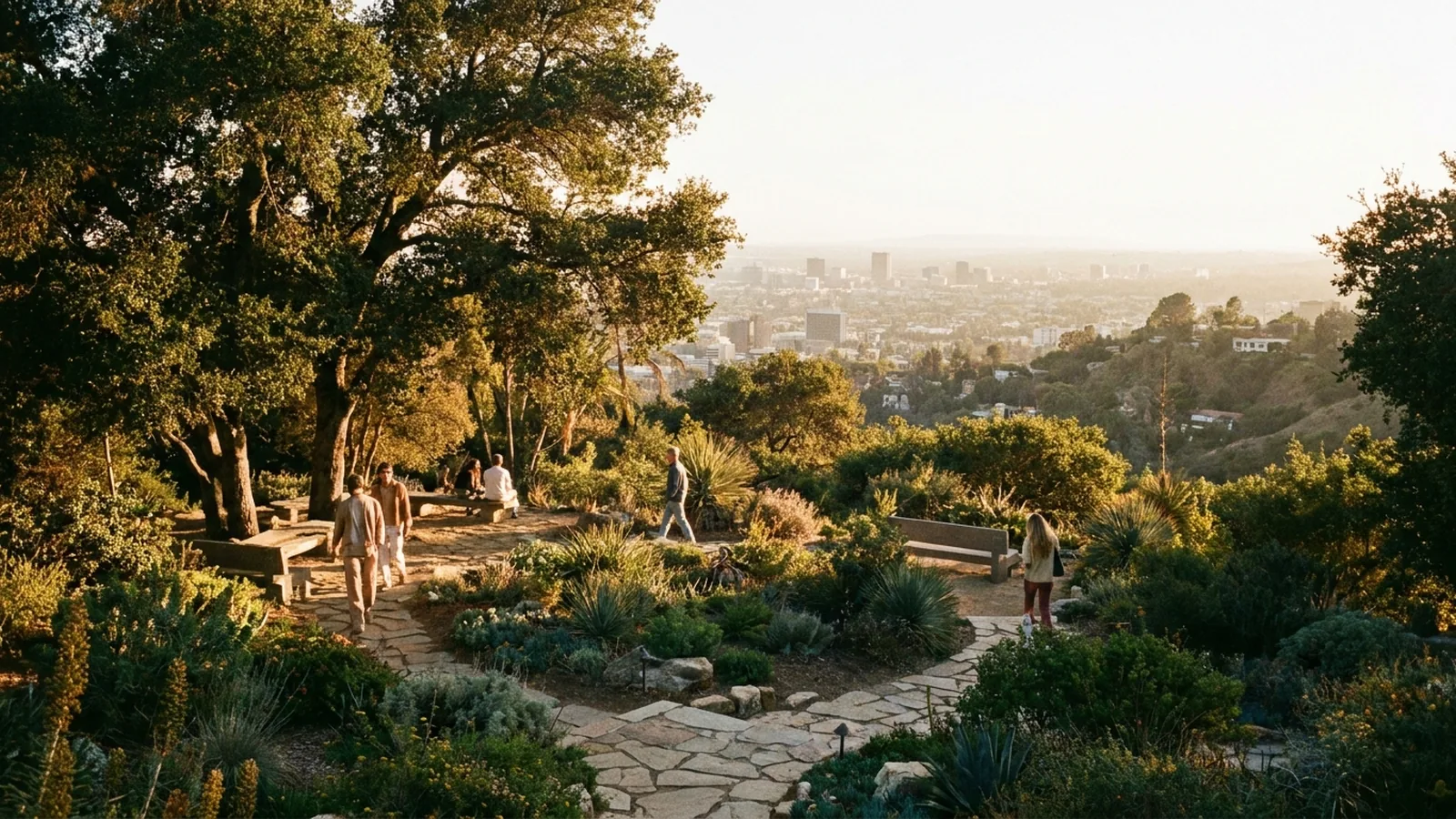
Hidden Gems in Los Angeles
The quieter corners, folk-art landmarks, and local-favorite spots that most visitors drive right past.
Union Station on the map
See Union Station and what's nearby in Downtown LA.
Map pins are approximate and for visitor planning only — they may not mark the exact entrance or parking. Please check official directions before visiting.
Places shown on this map (7)
- Union Station — Architecture
- The Broad — Museums
- Grand Central Market — Food
- Walt Disney Concert Hall — Architecture
- Olvera Street — Landmarks
- The Last Bookstore — Shopping
- Crypto.com Arena — Sports