Why visit
Olvera Street offers an authentic, sensory-rich slice of Los Angeles history that costs nothing to wander. It is one of the few places where you can taste handmade taquitos, watch live mariachi, browse Mexican folk art, and step inside a 200-year-old adobe all within a few steps, making it a perfect introduction to the city's cultural origins.
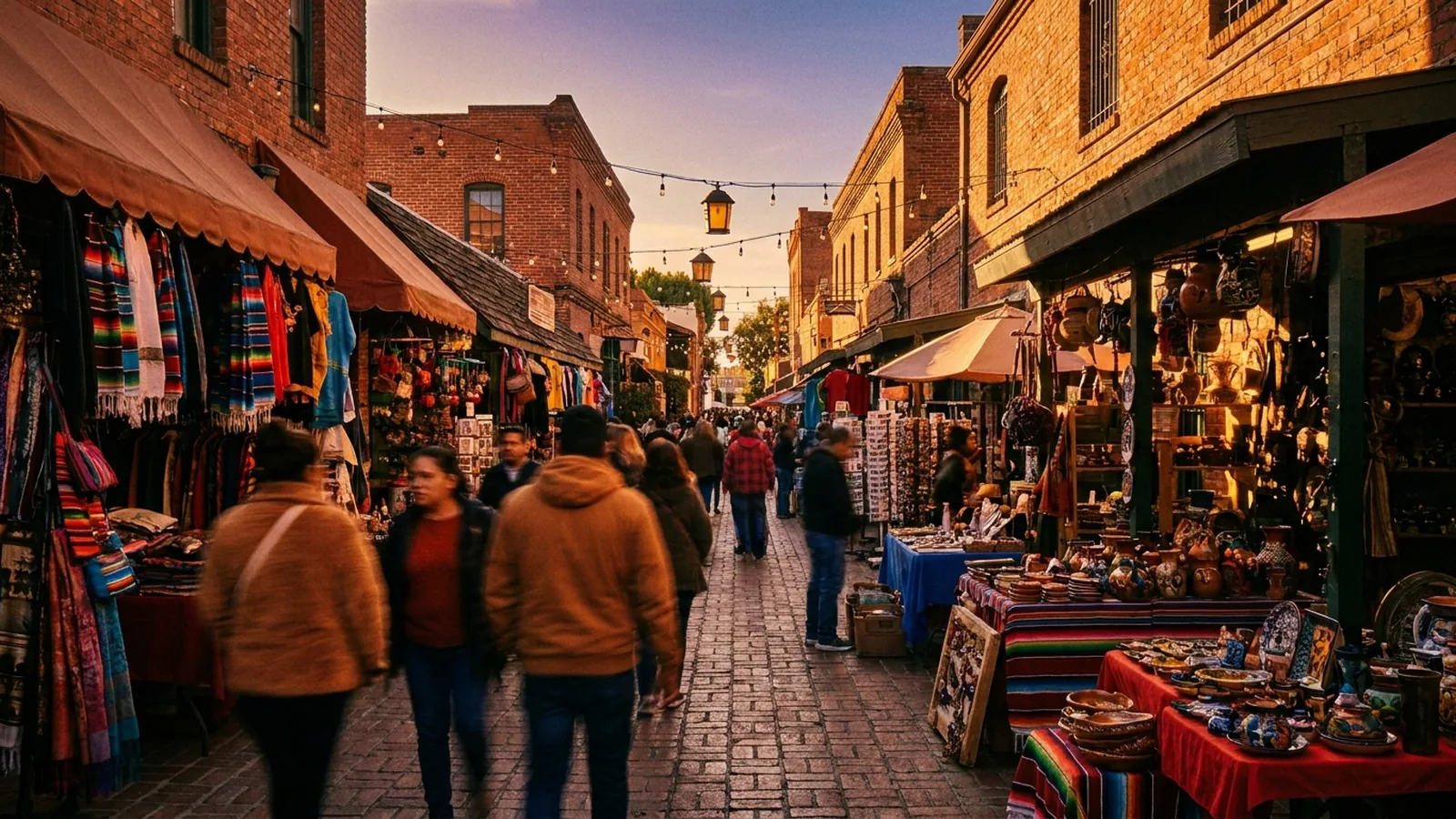
Tucked into the El Pueblo de Los Angeles Historical Monument, Olvera Street is a colorful, pedestrian-only passage that celebrates the city's Mexican heritage. Puestos (vendor stalls) overflow with leather goods, ceramics, embroidered dresses, and Day of the Dead crafts, while the scent of fresh churros and grilled carne asada drifts through the air. Strolling mariachis, folklorico dancers, and seasonal festivals such as Cinco de Mayo and Día de los Muertos give the street a perpetually festive energy.
Beyond the shopping, Olvera Street is a living history lesson. The Avila Adobe, built around 1818 and considered the oldest existing house in Los Angeles, sits just off the walkway and is open as a free museum. Surrounding the street, the broader El Pueblo plaza hosts a bandstand, historic firehouse, and several other landmark structures that trace the city's founding in 1781. It is an easy, atmospheric stop for visitors who want to feel the roots of LA in a single compact block.
History
El Pueblo de Los Angeles was founded by Spanish settlers in 1781, and the area around the plaza became the original civic and commercial center of the young city. By the early 20th century the district had fallen into neglect, but civic activist Christine Sterling led a campaign to save it, and Olvera Street reopened as a romanticized Mexican marketplace in 1930. Many of its adobe buildings, including the Avila Adobe, survive as some of the oldest structures in Los Angeles.
Insider Tips
- ✦Arrive early to beat tour-bus crowds and snag street-side seating.
- ✦Try a freshly fried churro from one of the stalls.
- ✦Step into the free Avila Adobe museum just off the walkway.
Photo Tips
- 📸Shoot the rows of colorful papel picado banners strung overhead against a blue sky.
- 📸Capture the vibrant craft stalls and hanging piñatas for rich, saturated color.
- 📸Frame the historic Avila Adobe and brick walkway for a sense of old Los Angeles.
Before You Go
- ✓Bring cash, as some small vendors prefer it.
- ✓Pair your visit with neighboring Union Station and the broader El Pueblo plaza.
- ✓Check for seasonal festivals like Día de los Muertos or Cinco de Mayo before you go.
Visiting with family
Kids enjoy the candy stalls, piñatas, and folklorico dancers, and the free Avila Adobe is a quick, stroller-friendly history stop.
Where to Eat Nearby
Want this turned into a day-by-day plan?
Tell our free AI planner you want to visit Olvera Street and it will build the rest of your day around it.
Olvera Street FAQ
Is Olvera Street free to visit?
Yes, walking the marketplace is free; you only pay for food, crafts, and any ticketed attractions.
What is Olvera Street known for?
It is known as one of the oldest parts of Los Angeles and a lively Mexican marketplace with crafts, food, mariachi, and historic adobe buildings.
How do I get there by transit?
It sits directly across from Union Station, which is served by Metro rail and bus lines, making transit a convenient option.
Nearby Neighborhoods
 Downtown
Chinatown
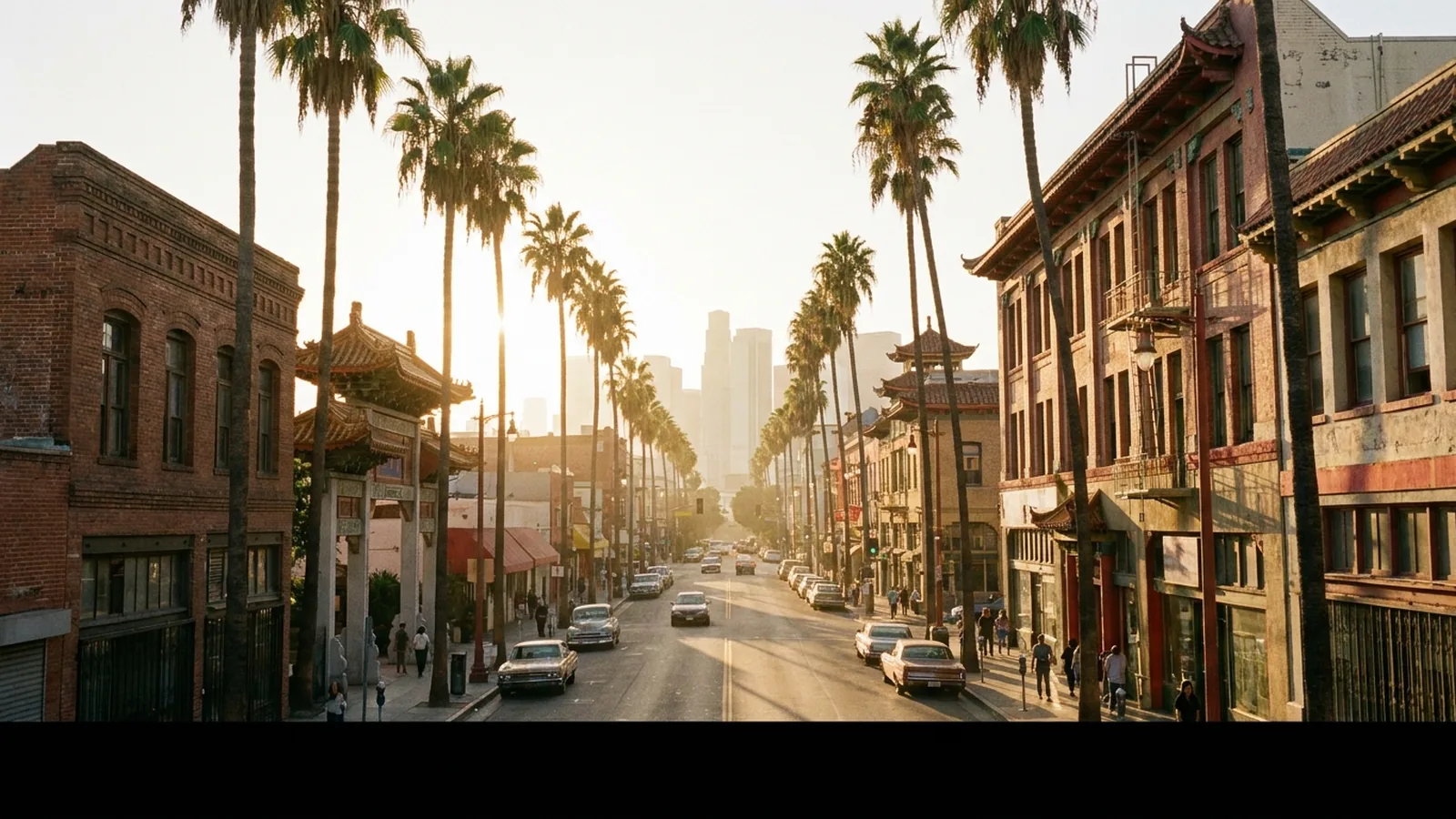
LA's Chinatown is a colorful slice of Downtown blending classic Chinese architecture with a new generation of art galleries, bars, and restaurants. Its Central Plaza, with neon signage and pagoda rooflines, remains one of the city's most photogenic corners.
 Downtown
Little Tokyo
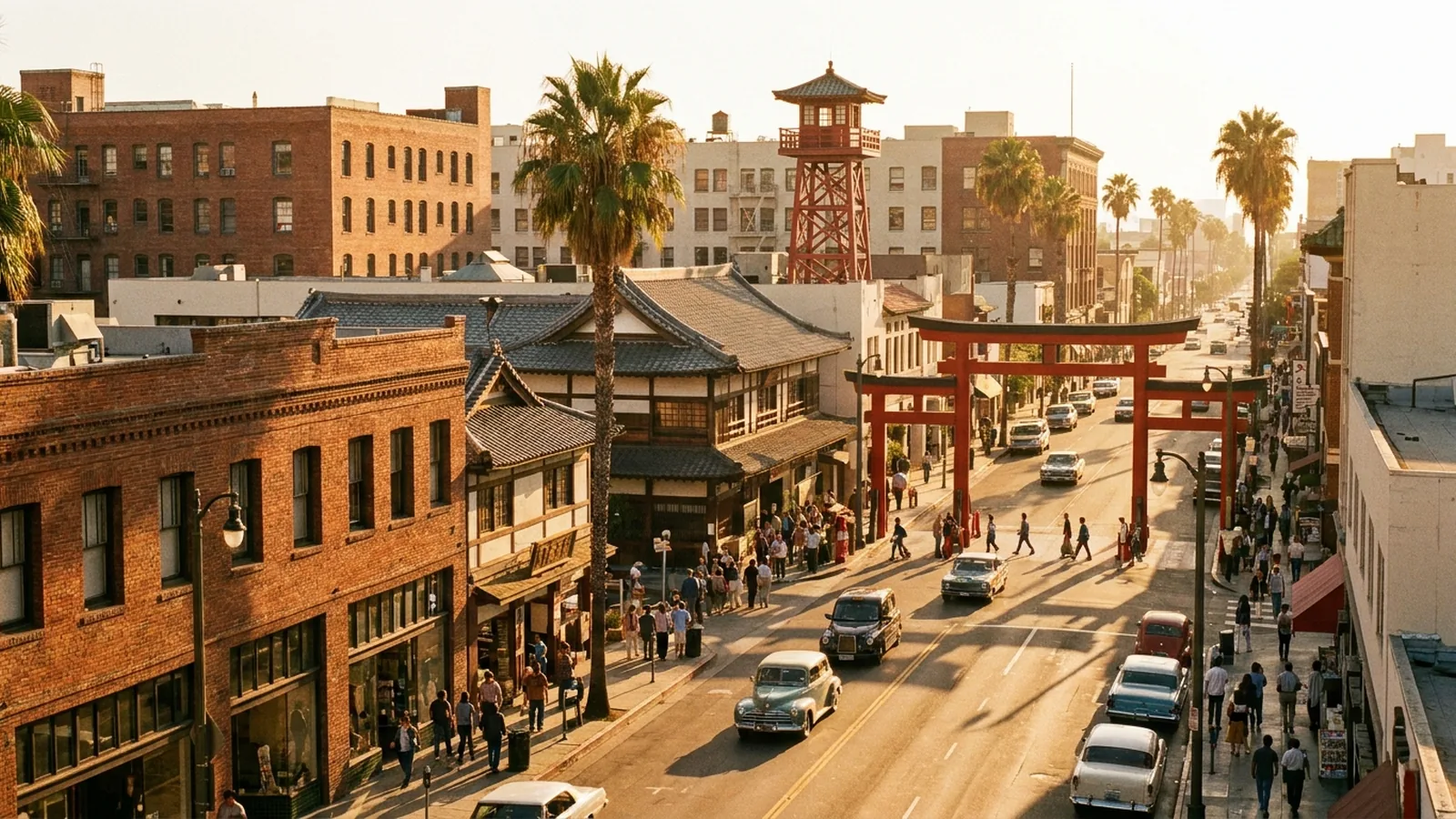
Little Tokyo is one of only three remaining historic Japantowns in the United States, a compact and walkable enclave on the eastern edge of Downtown LA. It pairs century-old institutions and temples with ramen counters, mochi shops, and a thriving contemporary arts scene.
More Landmarks in LA
 Landmarks
Hollywood Sign
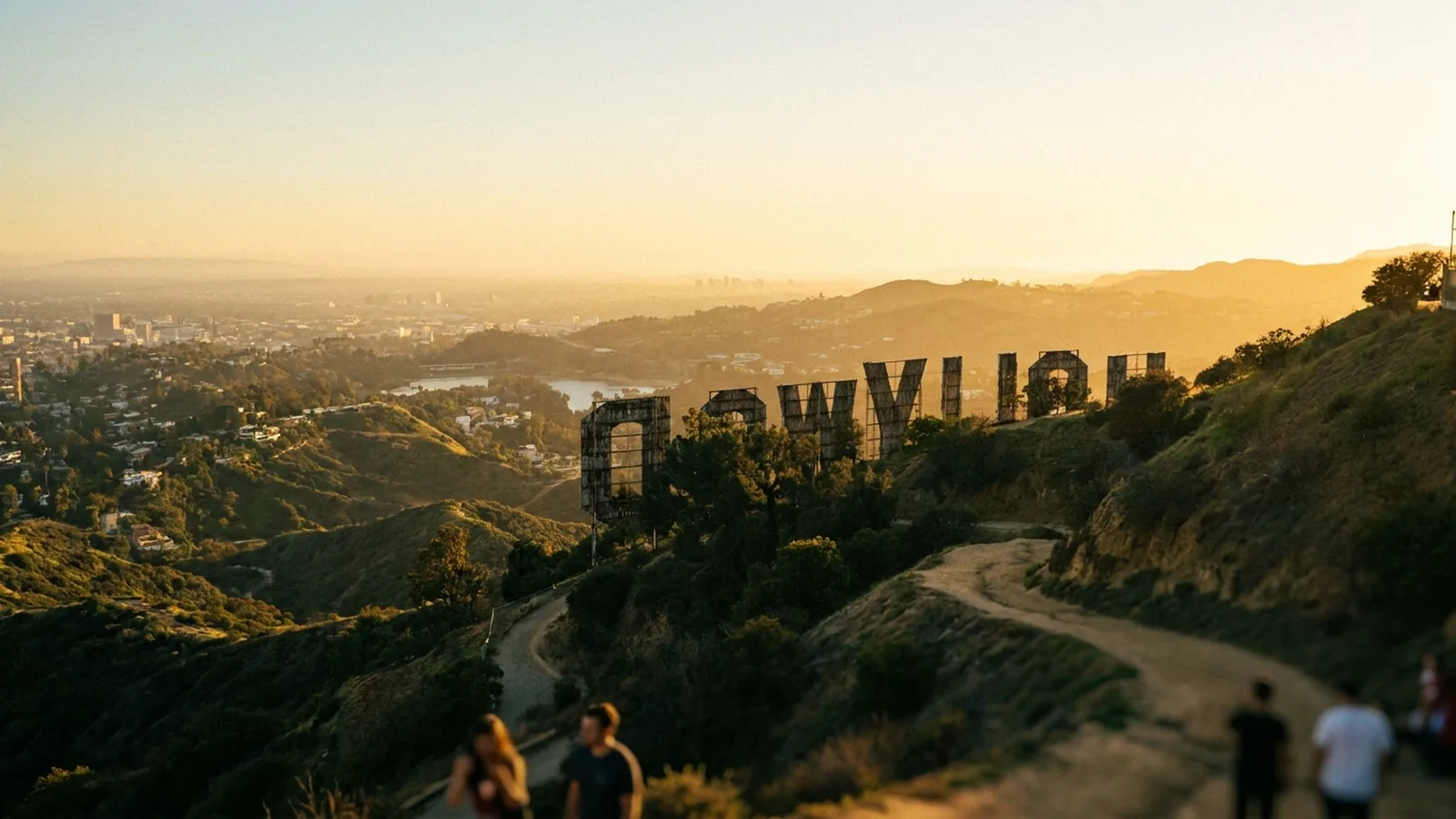
Perched on the south slope of Mount Lee in Griffith Park, the Hollywood Sign is the world's most recognizable symbol of the entertainment industry. You can't walk up to the letters themselves, but several trails and viewpoints deliver unforgettable photos of the giant white letters against the hillside.
 Landmarks
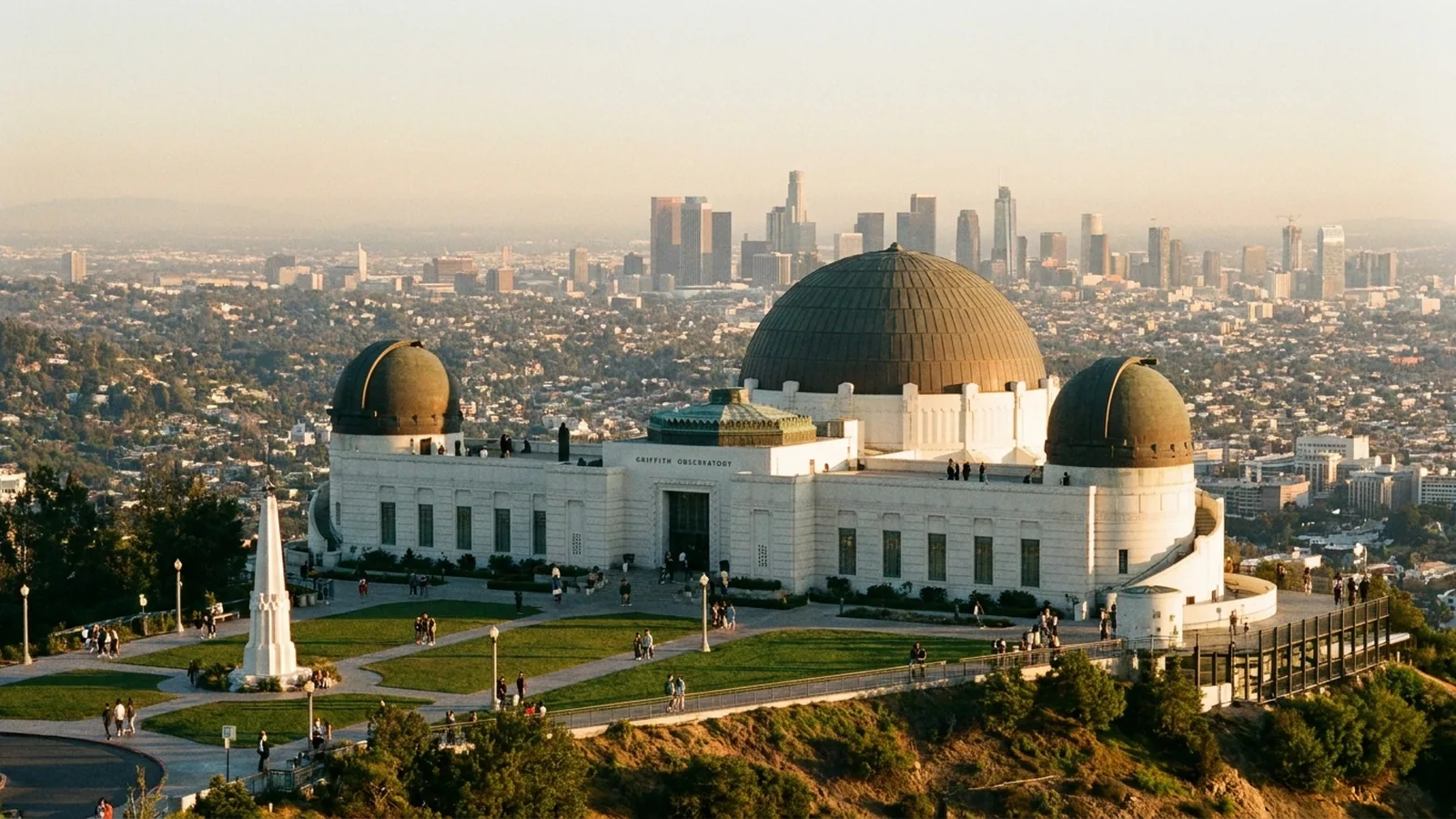
Griffith Observatory
Griffith Observatory is a free public observatory on the slopes of Mount Hollywood, offering telescopes, science exhibits, and some of the best views in Los Angeles. Its Art Deco architecture and sweeping vistas of the city, the Hollywood Sign, and the Pacific make it a must-see for first-time visitors.
 Landmarks
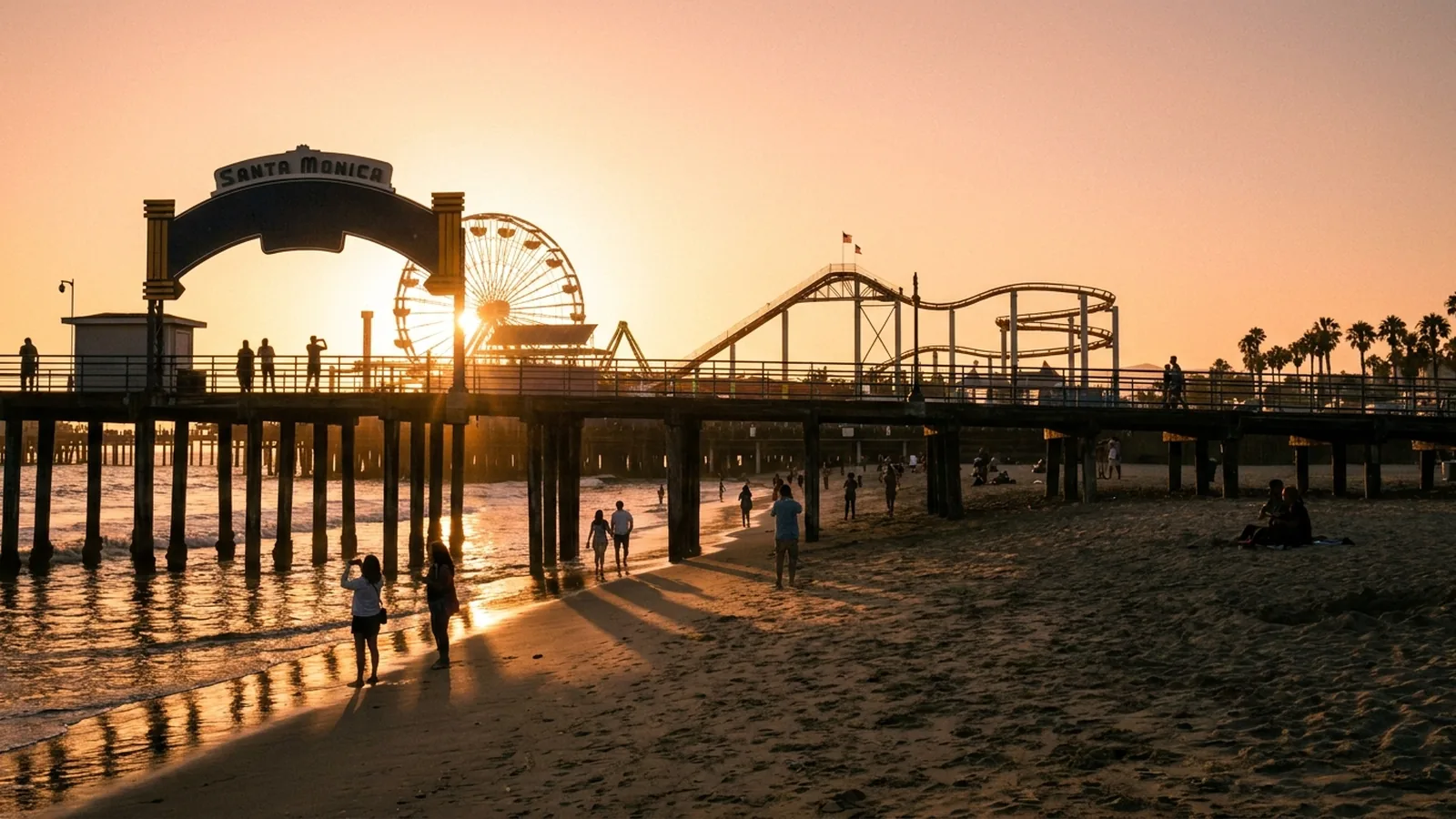
Santa Monica Pier
The Santa Monica Pier is a historic wooden pier jutting into the Pacific, crowned by the small Pacific Park amusement park and its solar-powered Ferris wheel. It marks the symbolic western end of Route 66 and is one of LA's most festive seaside gathering spots.
 Landmarks
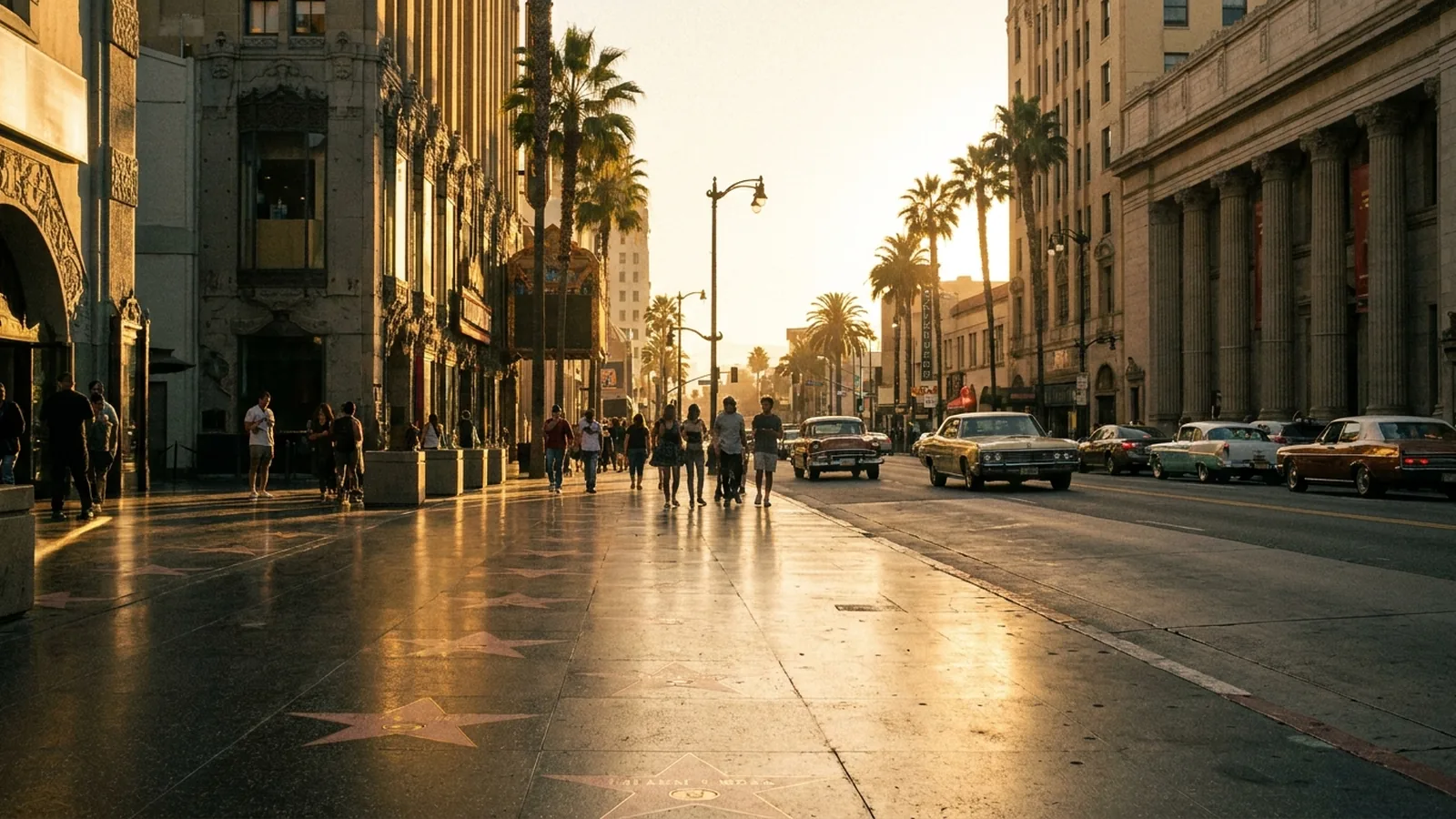
Hollywood Walk of Fame
The Hollywood Walk of Fame is a stretch of sidewalk embedded with thousands of terrazzo-and-brass stars honoring entertainment legends. Free and always open, it runs through the heart of Hollywood past landmarks like the TCL Chinese Theatre and the Dolby Theatre.
Helpful Guides
 Photography
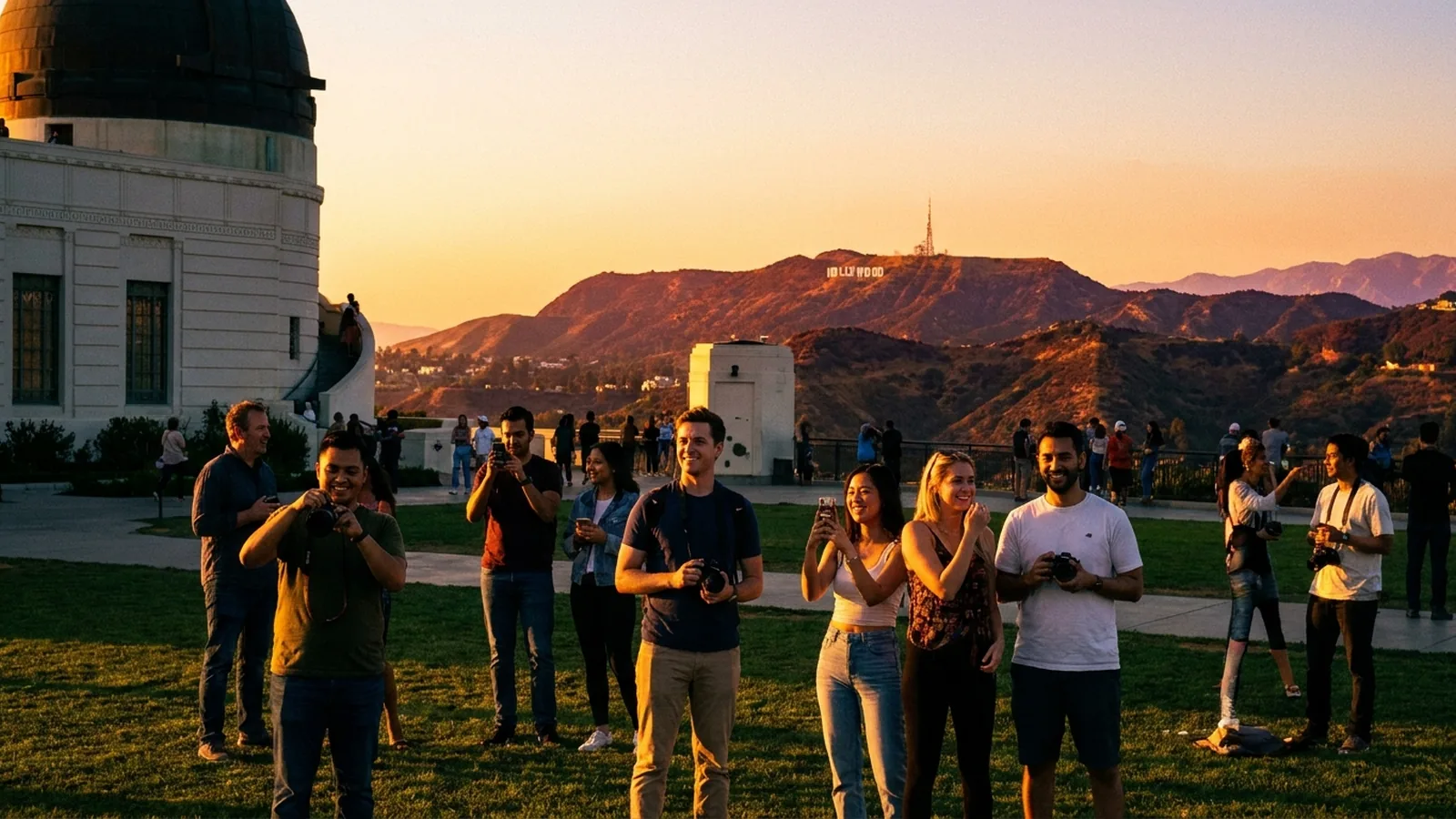
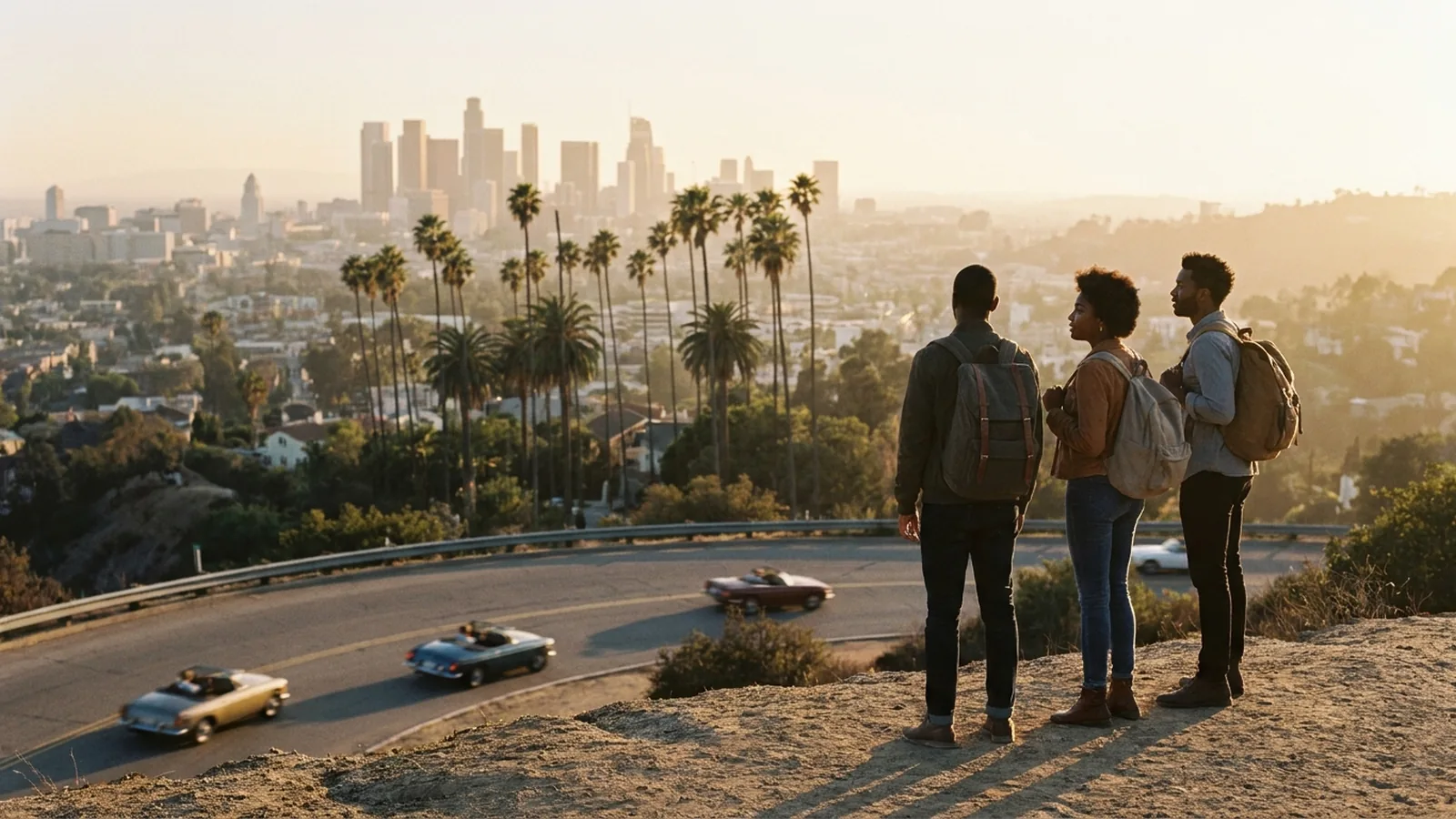
The Best Photo Spots in Los Angeles
Iconic skylines, architectural icons, sea caves, and color-soaked streets, plus when to shoot them for the best light.
 Planning
First-Time Visitor's Guide to Los Angeles
Everything a first-timer needs to know before landing in LA: how the city is laid out, when to go, how to get around, and how to avoid rookie mistakes.
Olvera Street on the map
See Olvera Street and what's nearby in Downtown LA.
Map pins are approximate and for visitor planning only — they may not mark the exact entrance or parking. Please check official directions before visiting.
Places shown on this map (7)
- Olvera Street — Landmarks
- The Broad — Museums
- Grand Central Market — Food
- Walt Disney Concert Hall — Architecture
- The Last Bookstore — Shopping
- Crypto.com Arena — Sports
- Union Station — Architecture