Food
Where to Eat in Downtown Los Angeles
A guide to eating in Downtown LA, from the historic Grand Central Market to the Arts District, Little Tokyo, and Chinatown.
A guide to eating in Downtown LA, from the historic Grand Central Market to the Arts District, Little Tokyo, and Chinatown.
Downtown Los Angeles has transformed into one of the city's most exciting places to eat, packing a huge range of cuisines and price points into a walkable core. From a century-old food hall to warehouse restaurants and historic ethnic enclaves, you can spend days here and barely repeat yourself. Menus and prices can change, and some spots keep limited hours, so check current hours before going and treat the areas below as a starting point, not a live ranking.
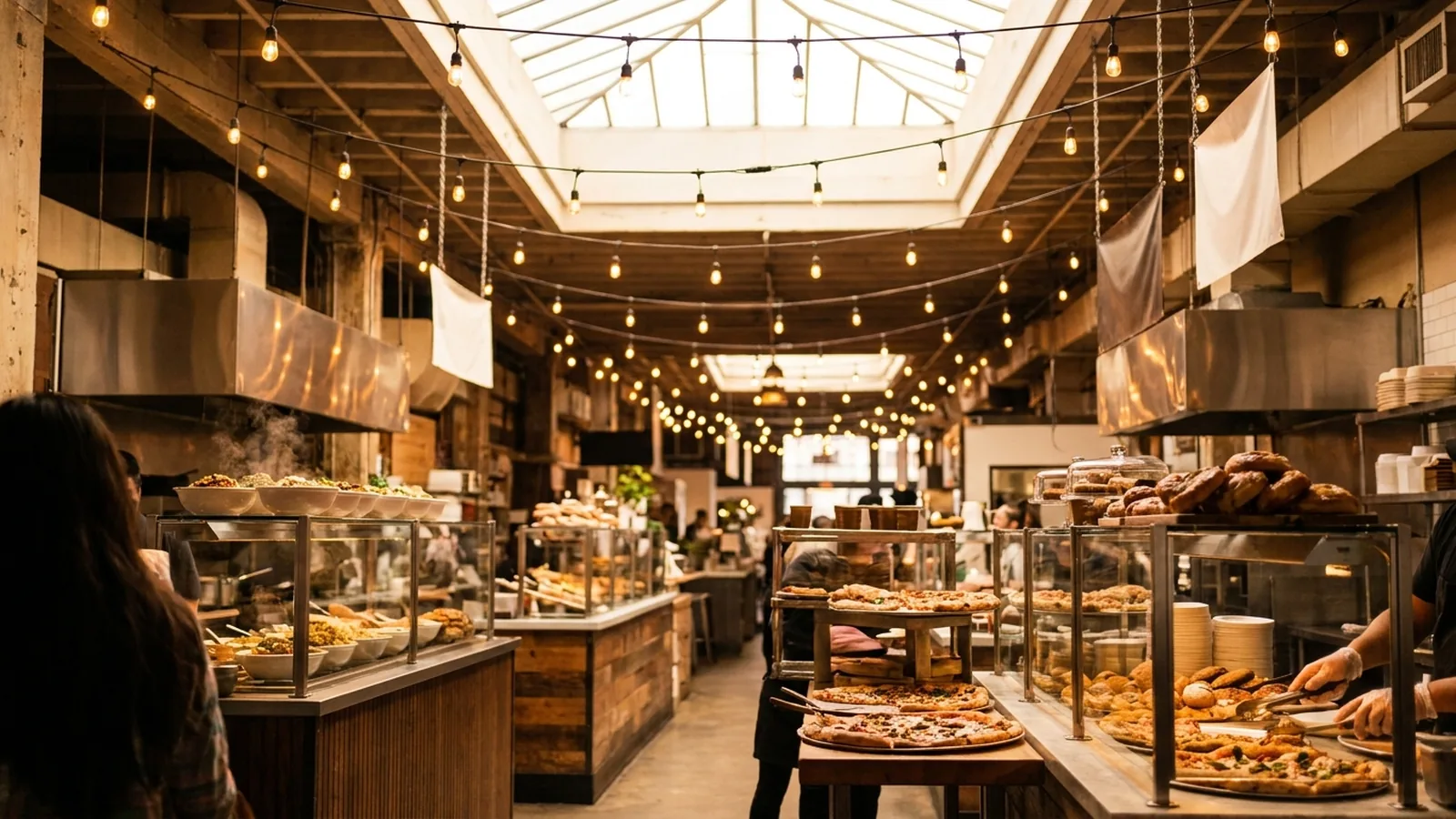
The obvious first stop is Grand Central Market, a historic food hall that has operated downtown for more than a century. Under one roof you'll find dozens of vendors serving everything from tacos and pupusas to sandwiches, noodles, and coffee. It's popular with visitors because it lets a group sample many styles at once, and it's centrally located near landmarks like The Broad and Walt Disney Concert Hall. Expect crowds at peak meal times.
Just east of the core, the Arts District is known for its converted-warehouse restaurants, breweries, and cafes set among street art and galleries. It's a good area to explore on foot for a more design-forward dining experience, and it works well for a relaxed dinner after a day of sightseeing.
Little Tokyo is one of the city's historic neighborhoods and a great place for Japanese food, from ramen and sushi to bakeries and dessert shops. It's compact and walkable, and you can easily combine a meal with a visit to the Japanese American National Museum or some shopping along its main streets.
Nearby, Chinatown offers a mix of long-running establishments and newer spots, while Olvera Street, part of the city's original pueblo, is known for traditional Mexican food and a festive, historic atmosphere. Both are walkable from the Downtown core and pair naturally with a stop at Union Station.
A few tips will help you navigate Downtown's many options:
Because Downtown packs so much into a small area, it's one of the few parts of LA where you can eat your way through several neighborhoods on foot. Start at Grand Central Market, wander to Little Tokyo or the Arts District, and end near Olvera Street and Union Station. Build in time for nearby sights, double-check hours, and let the districts guide your appetite.
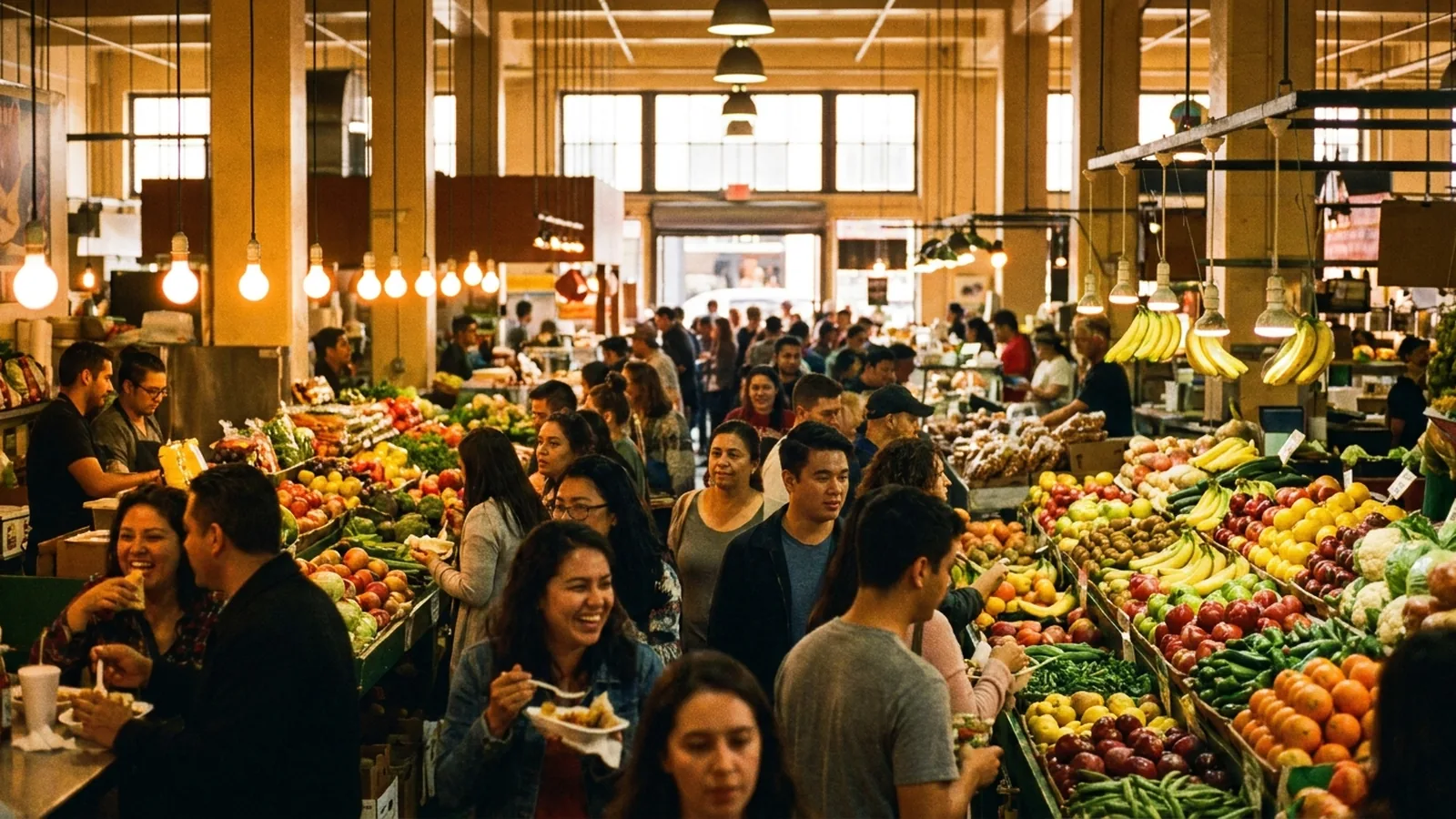
Historic food hall with dozens of vendors under one roof.
Read more →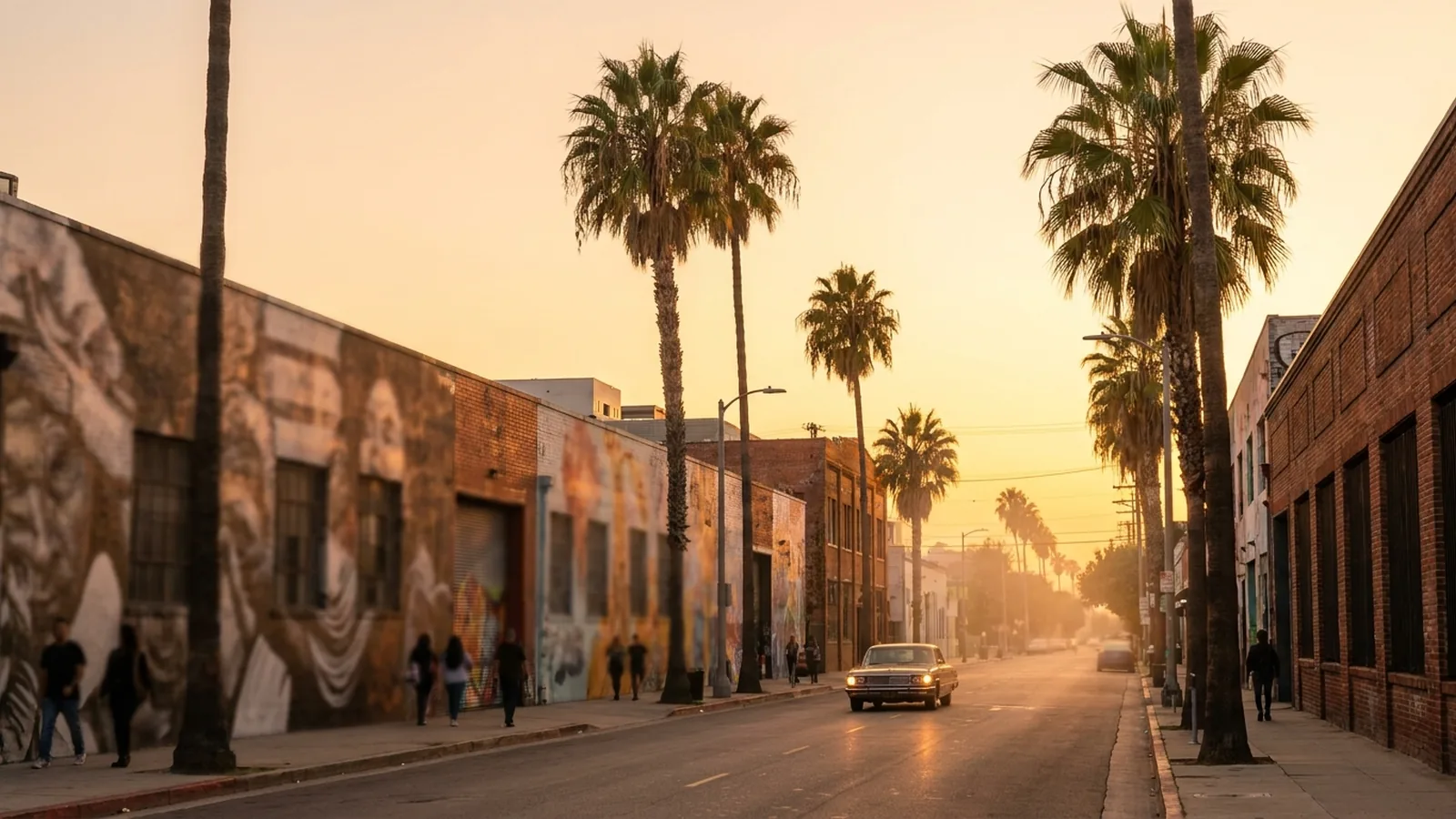
Converted-warehouse restaurants amid street art and galleries.
Read more →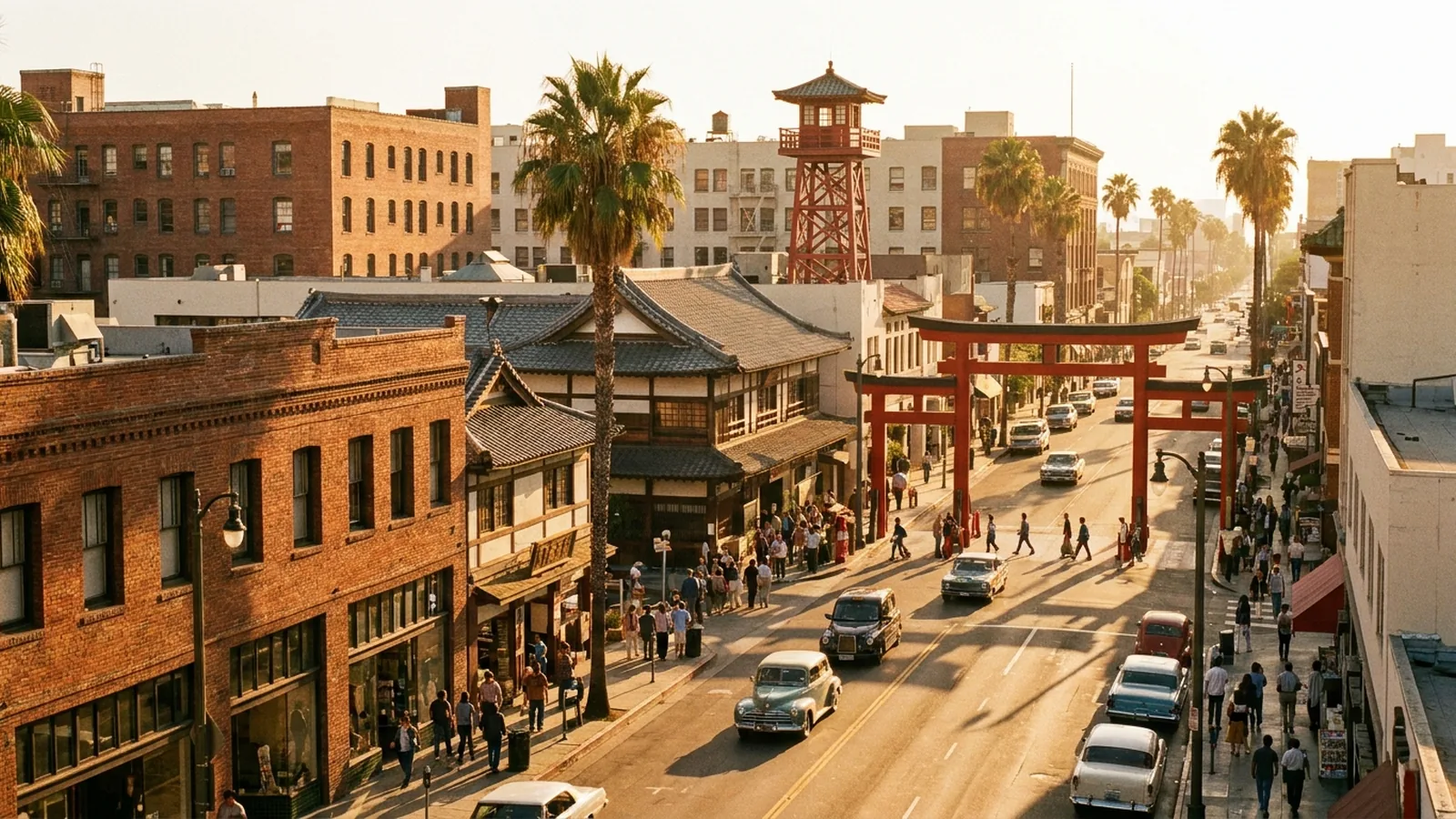
Compact, walkable area great for Japanese food.
Read more →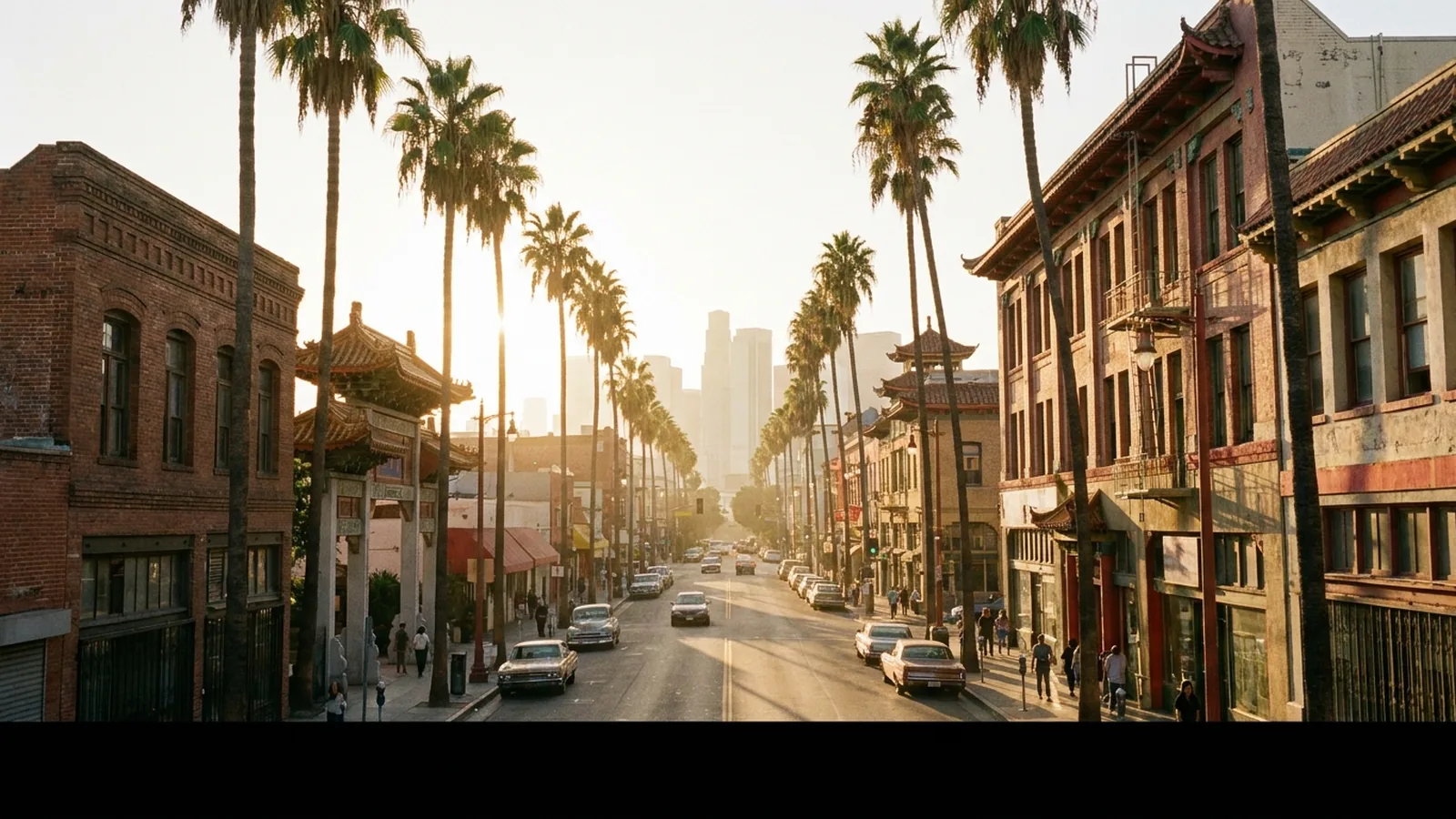
Long-running establishments plus newer spots, walkable downtown.
Read more →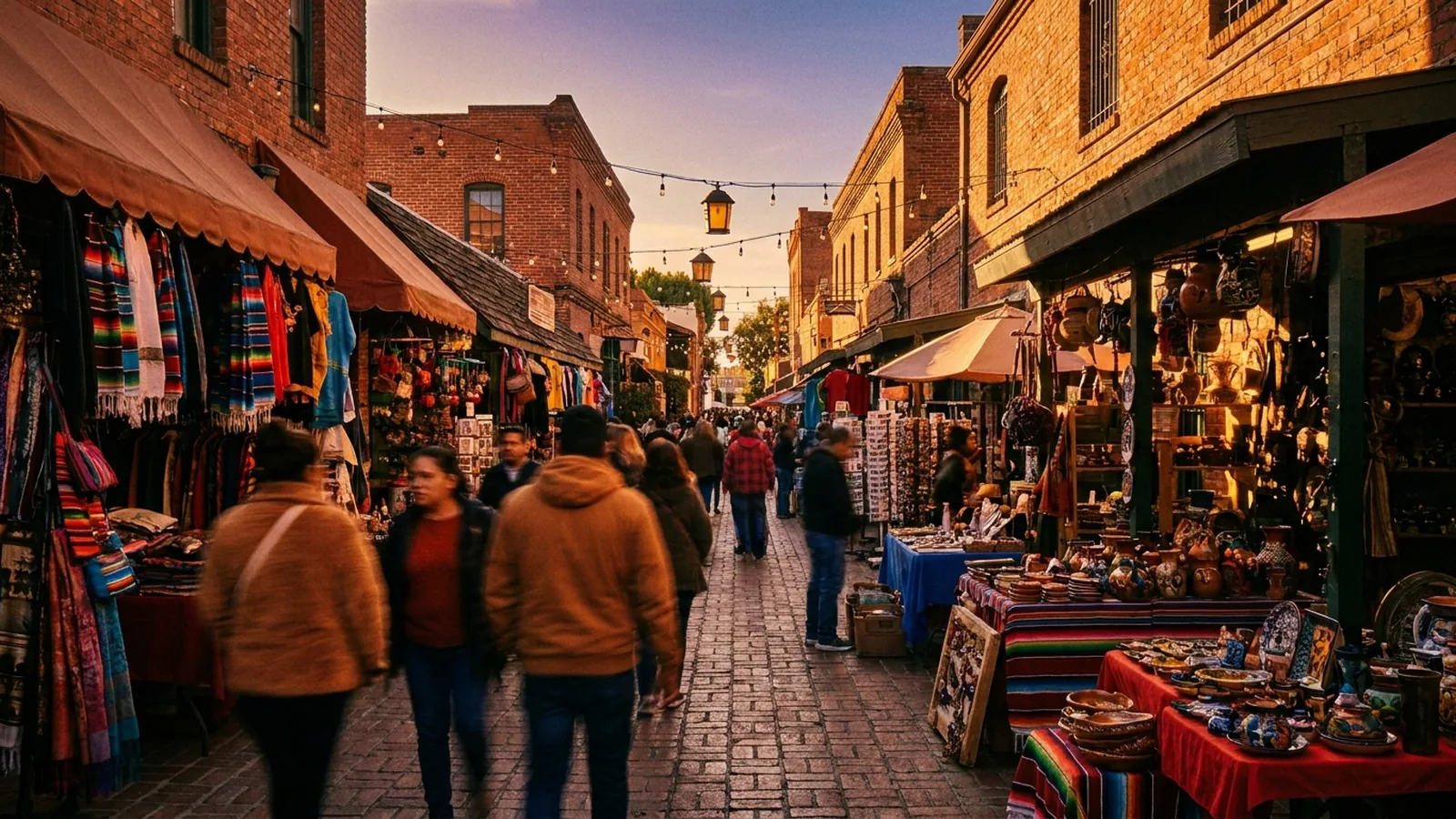
Historic pueblo street known for traditional Mexican food.
Read more →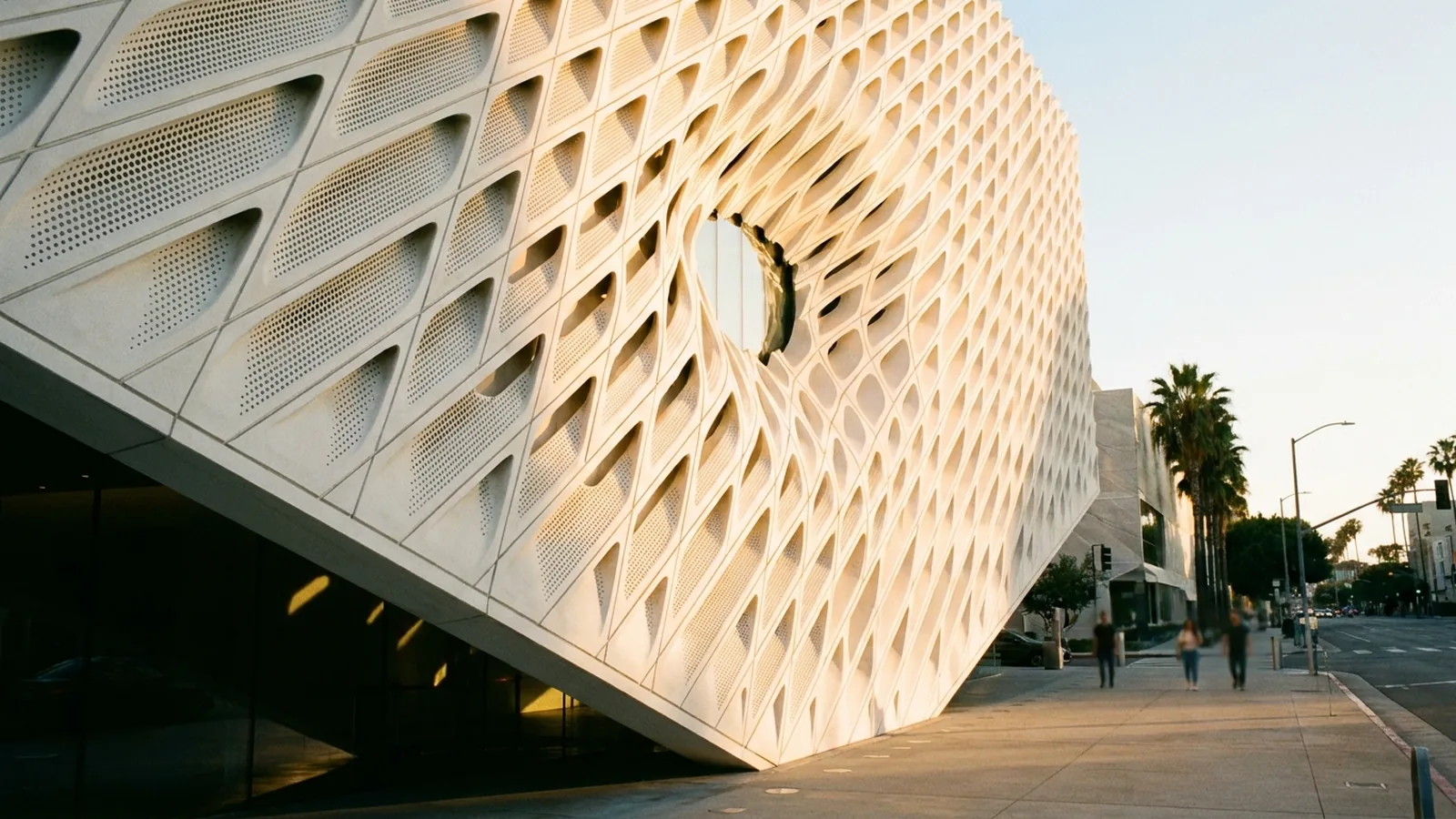
Contemporary art museum near Grand Central Market.
Read more →
Easy pairing with a meal in Little Tokyo.
Read more →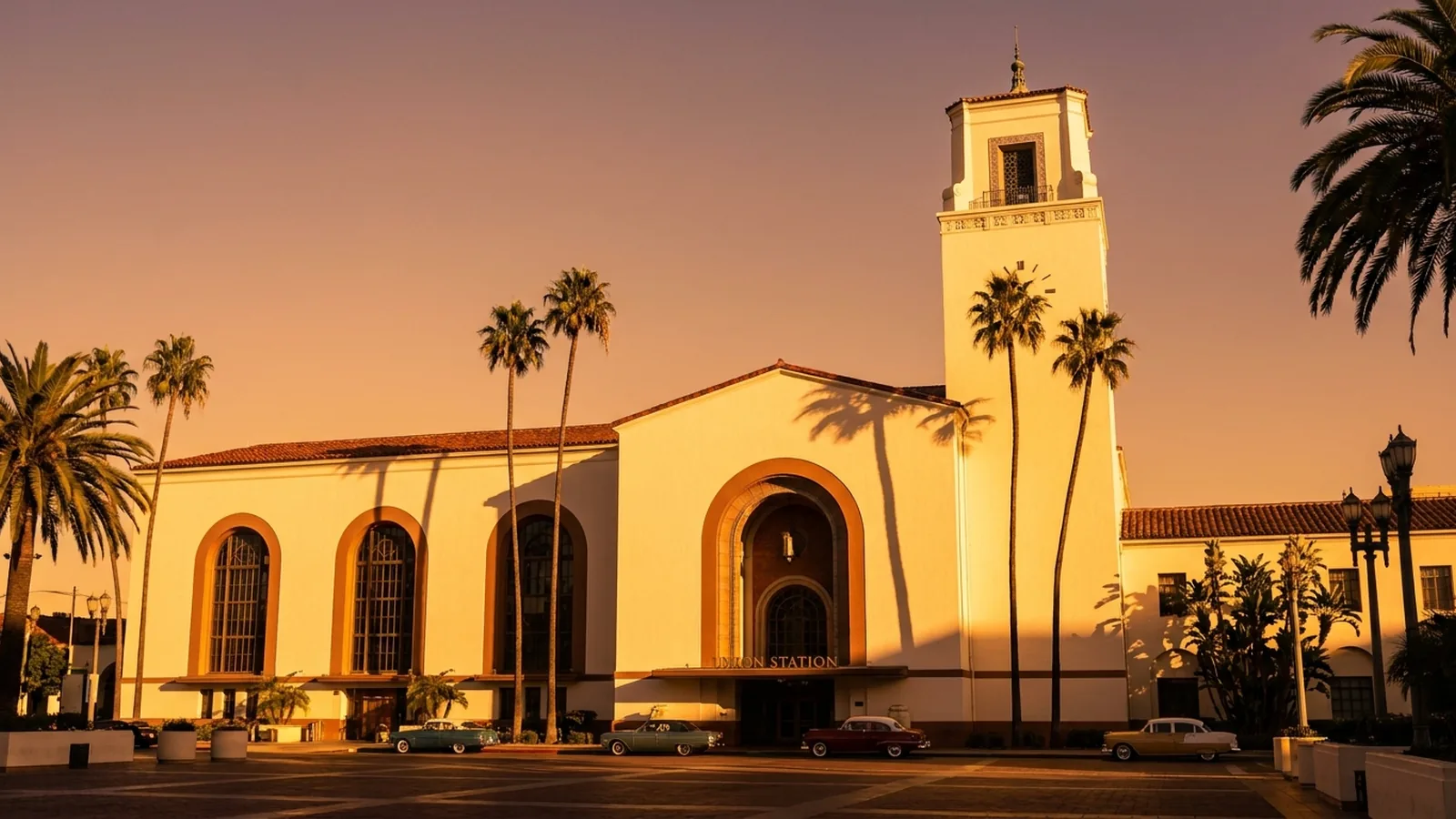
Historic transit hub near Olvera Street and Chinatown.
Read more →The picks in this guide that have a map location.
Map pins are approximate and for visitor planning only — they may not mark the exact entrance or parking. Please check official directions before visiting.
Want this turned into a day-by-day plan?
Our free AI LA Travel Planner builds a personalized itinerary in seconds.
Grand Central Market is a great starting point, since this historic food hall packs dozens of vendors under one roof and lets a group sample many cuisines at once. Check current hours, since vendors and hours can change.
Yes. Downtown is one of the few parts of LA where you can eat through several neighborhoods on foot, from Grand Central Market to Little Tokyo, the Arts District, Chinatown, and Olvera Street.
Almost everything. The core has tacos, ramen, sushi, sandwiches, and coffee, while historic enclaves like Little Tokyo, Chinatown, and Olvera Street add Japanese, Chinese, and traditional Mexican options.
 Food
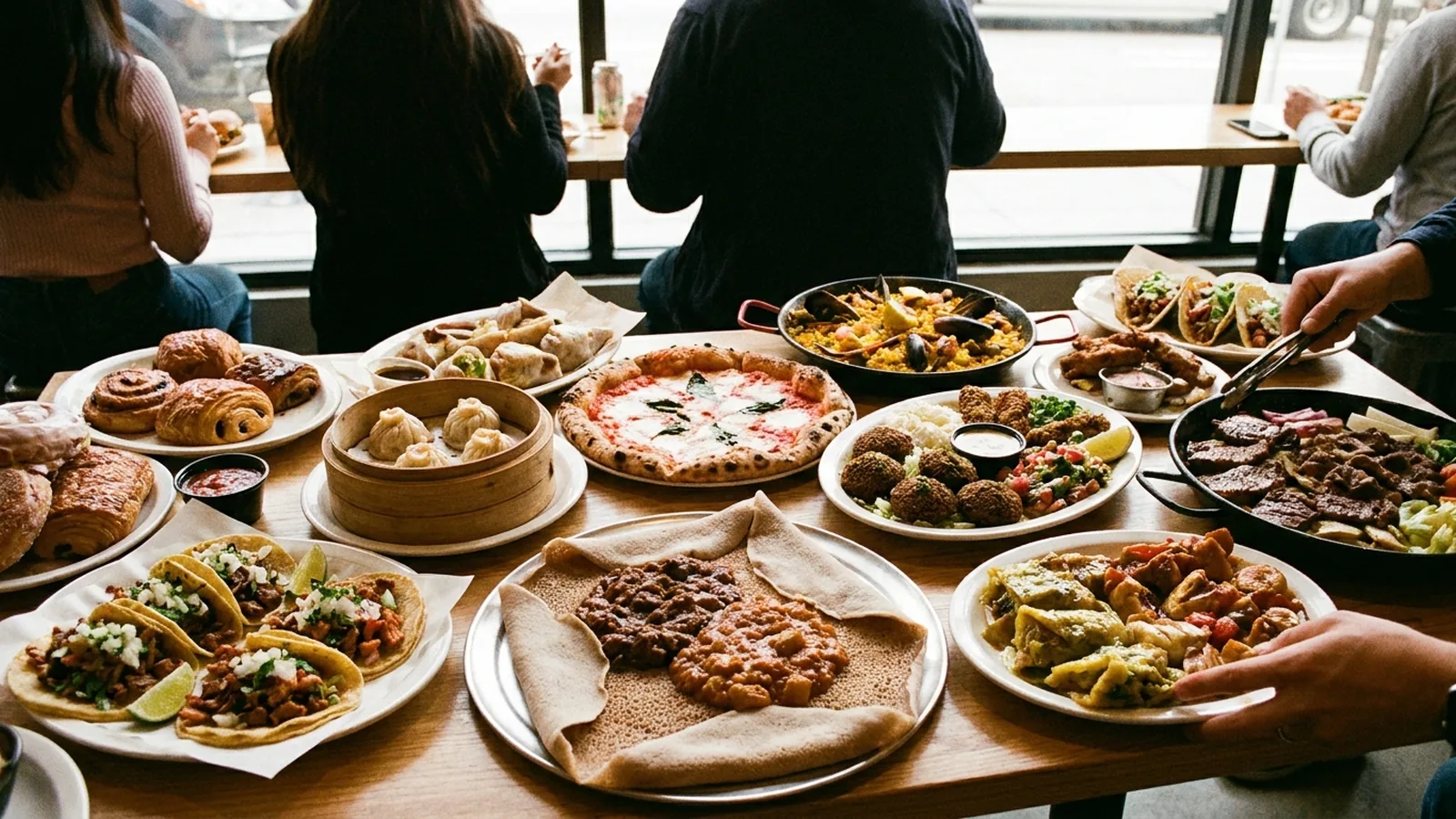
FoodA neighborhood-by-neighborhood look at where Los Angeles eats best, from Koreatown to the San Gabriel Valley.
 Food
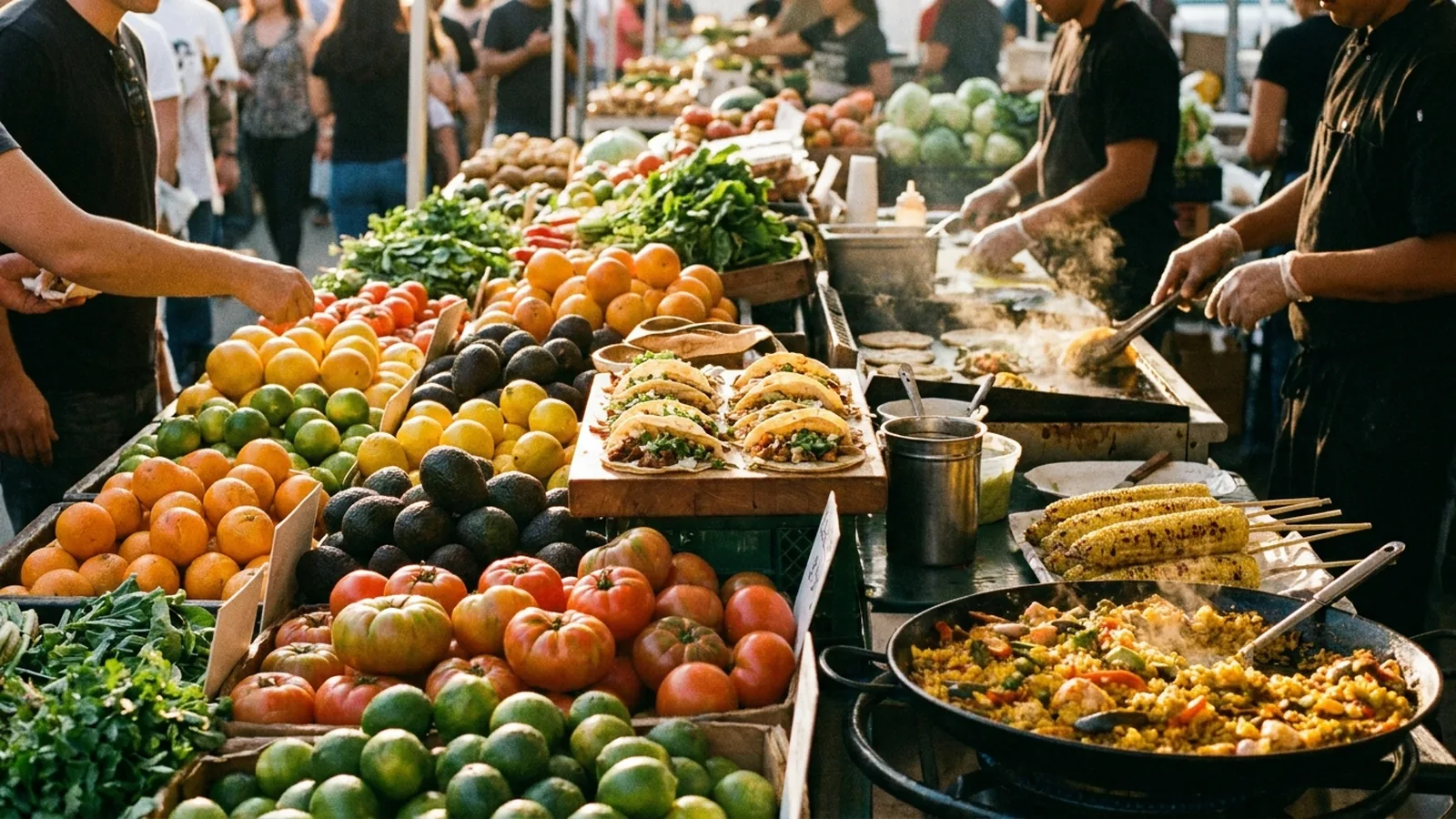
FoodFood halls, historic markets and weekend farmers markets worth building a day around in LA.
 Food
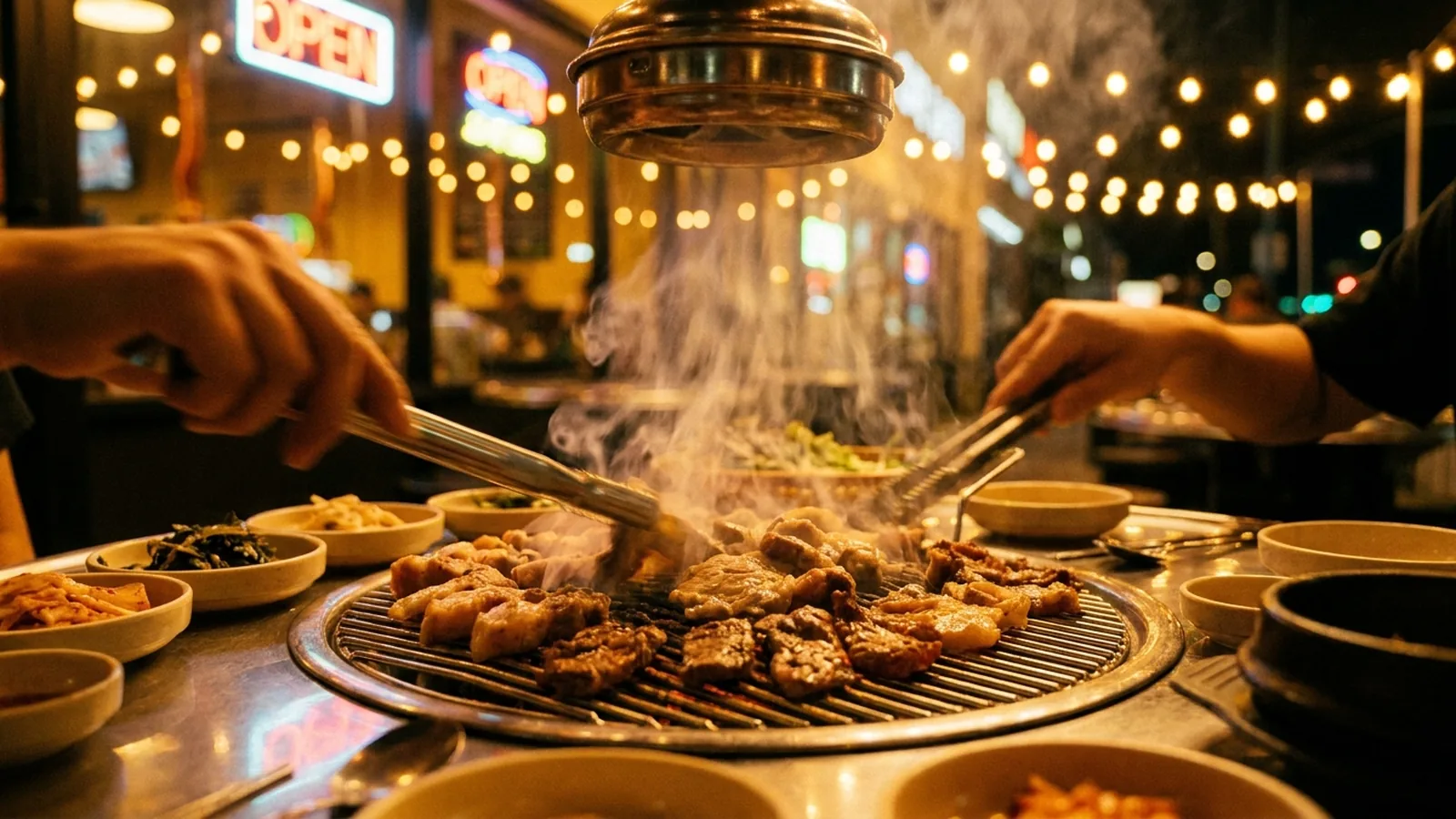
FoodA guide to eating in LA's Koreatown, from Korean BBQ and soondubu to late-night dining and the area's dense restaurant scene.